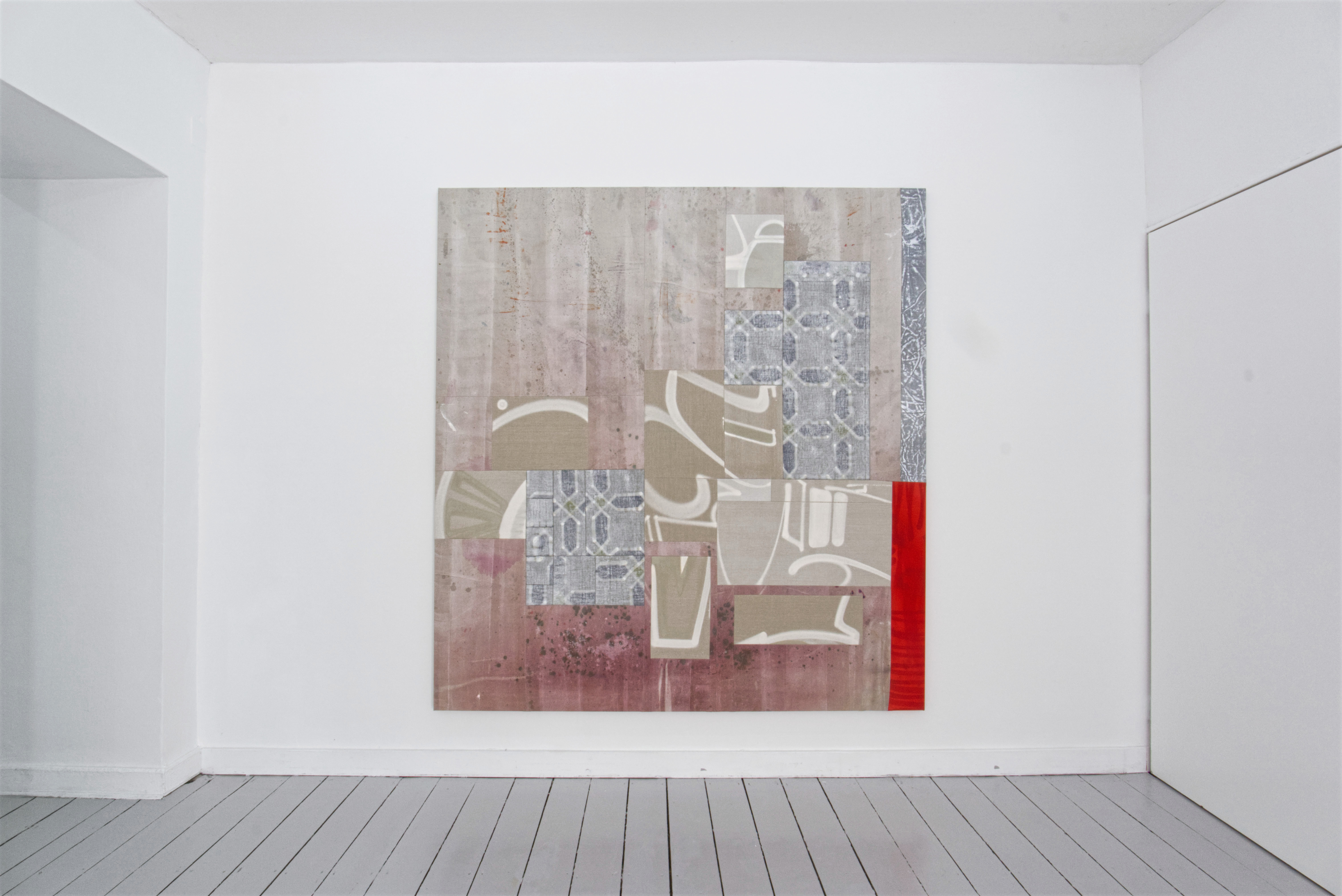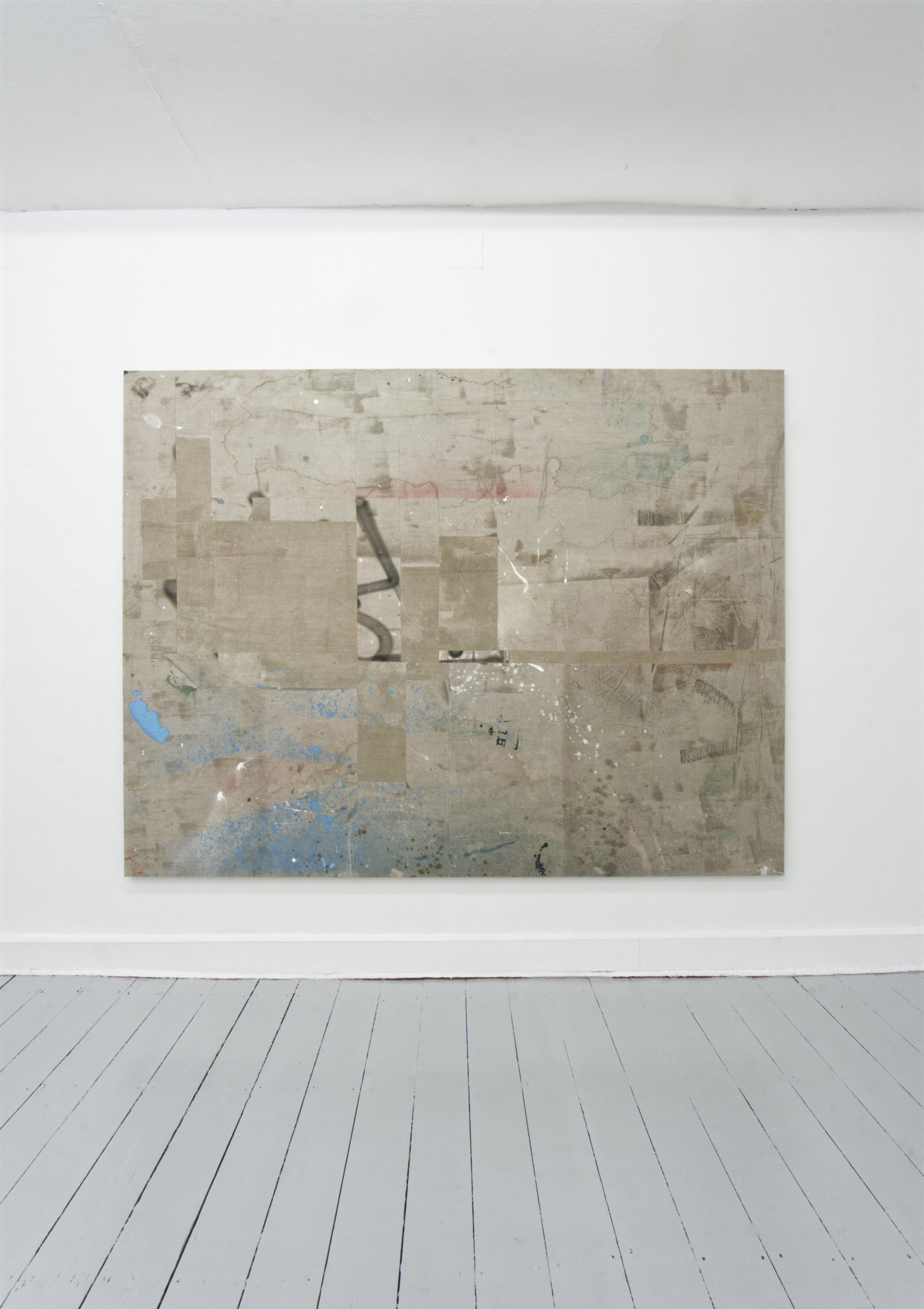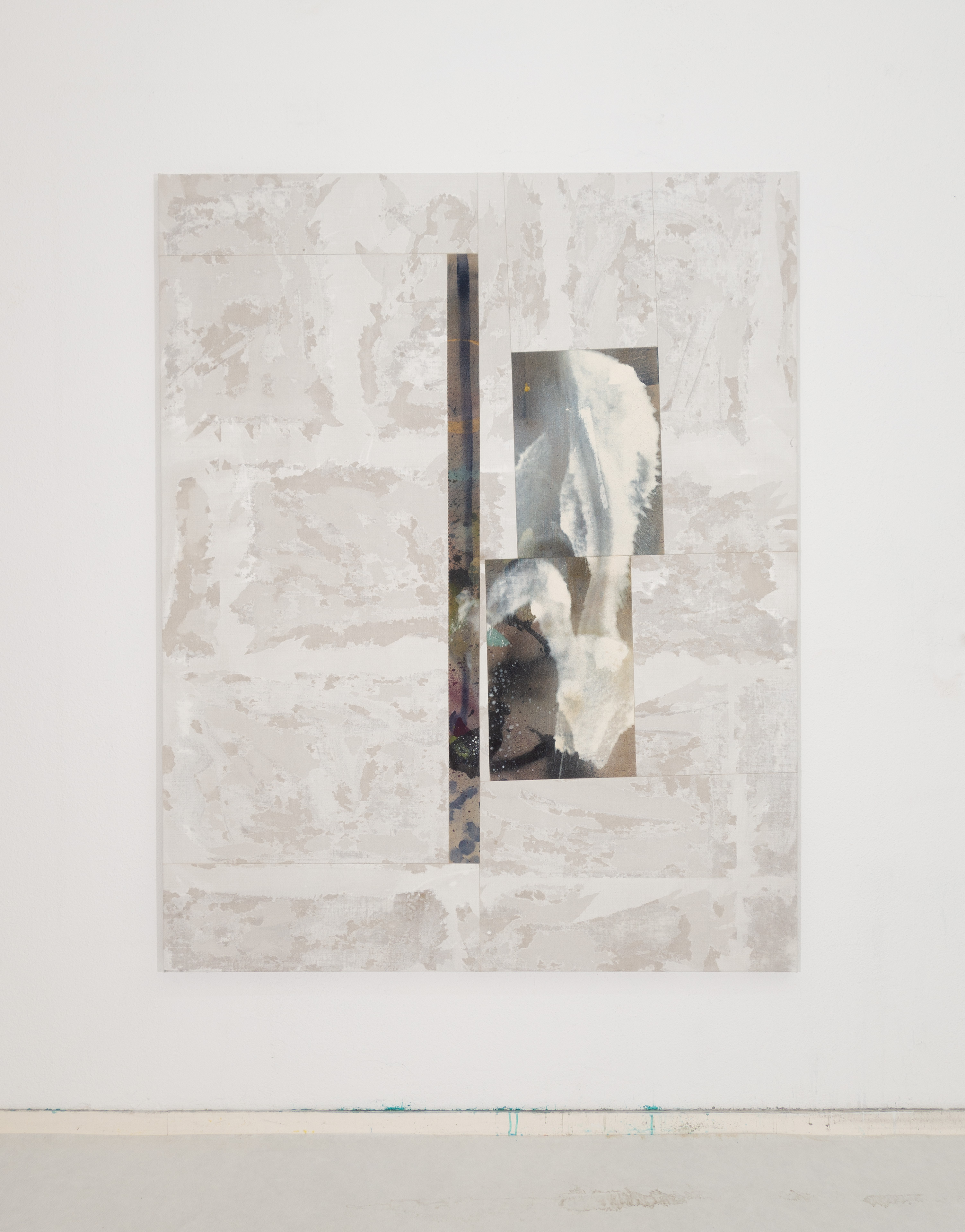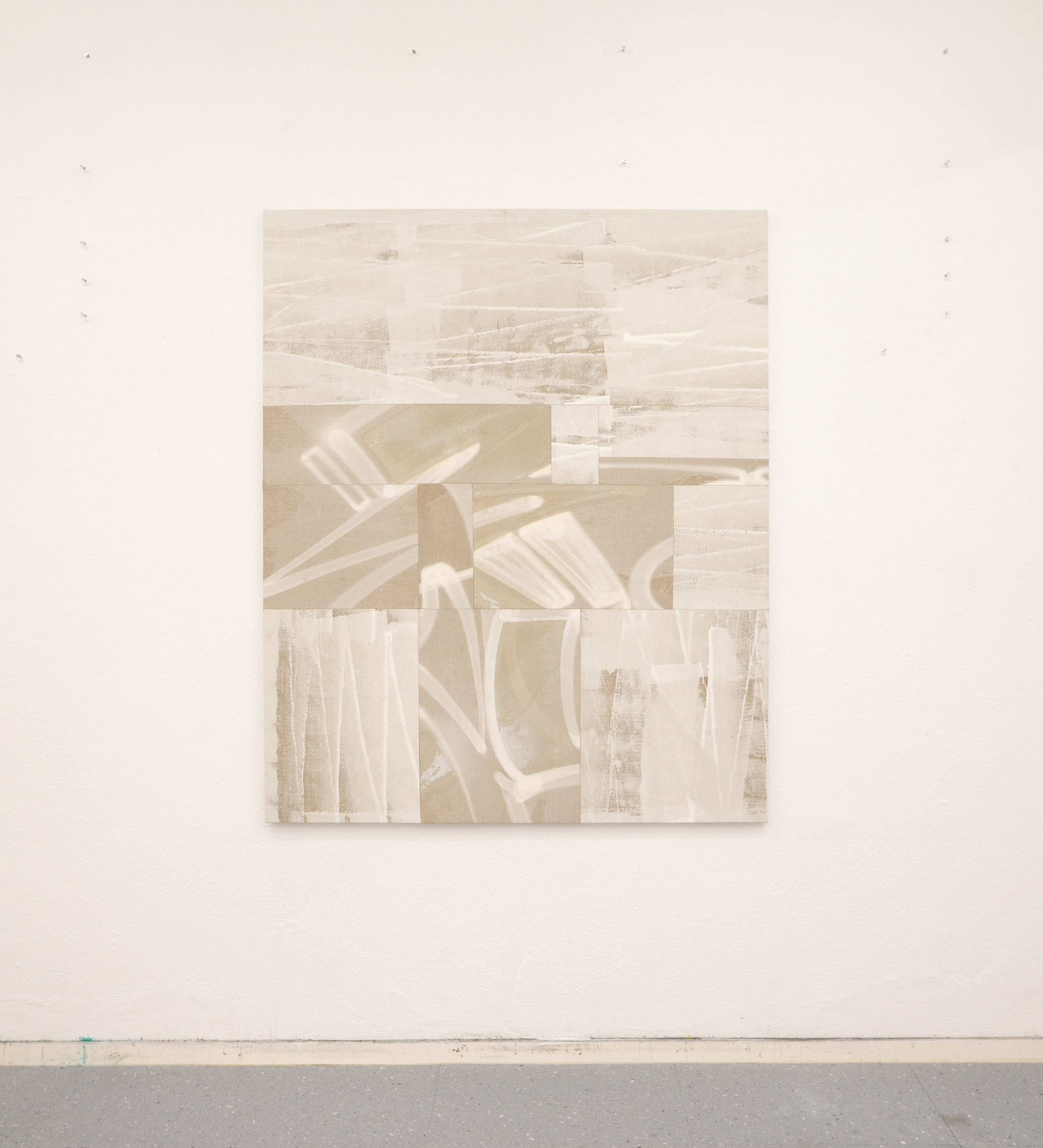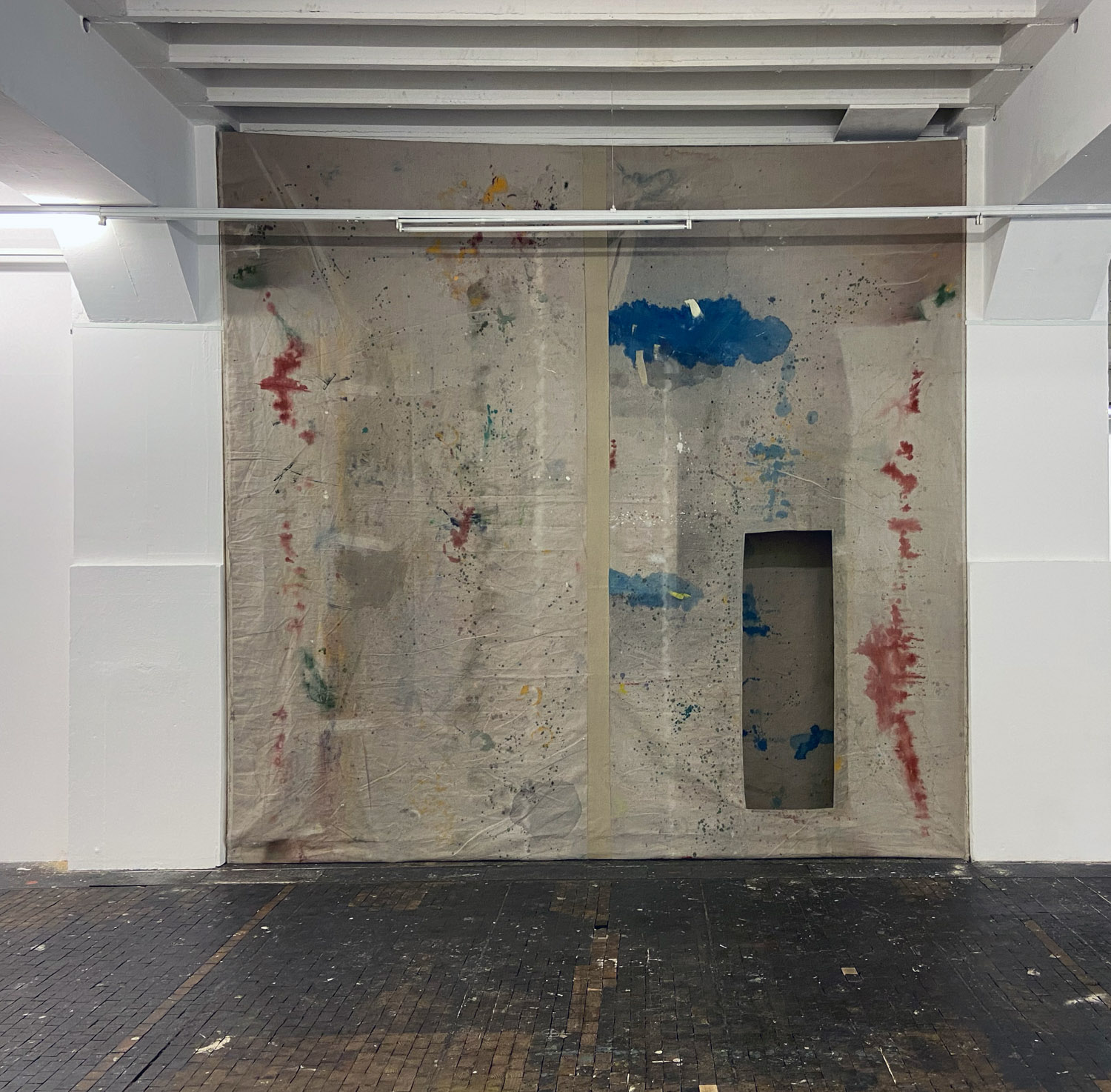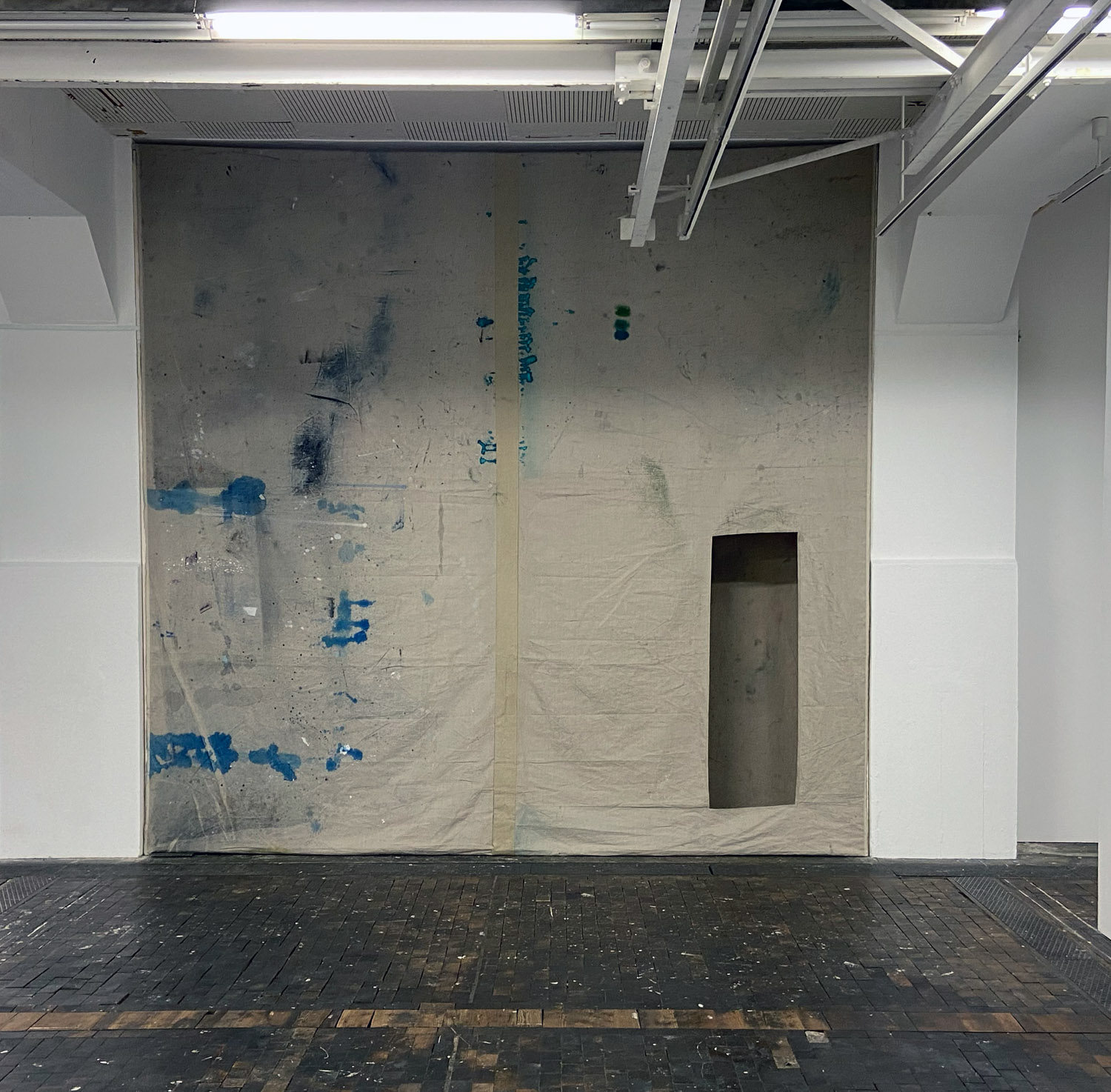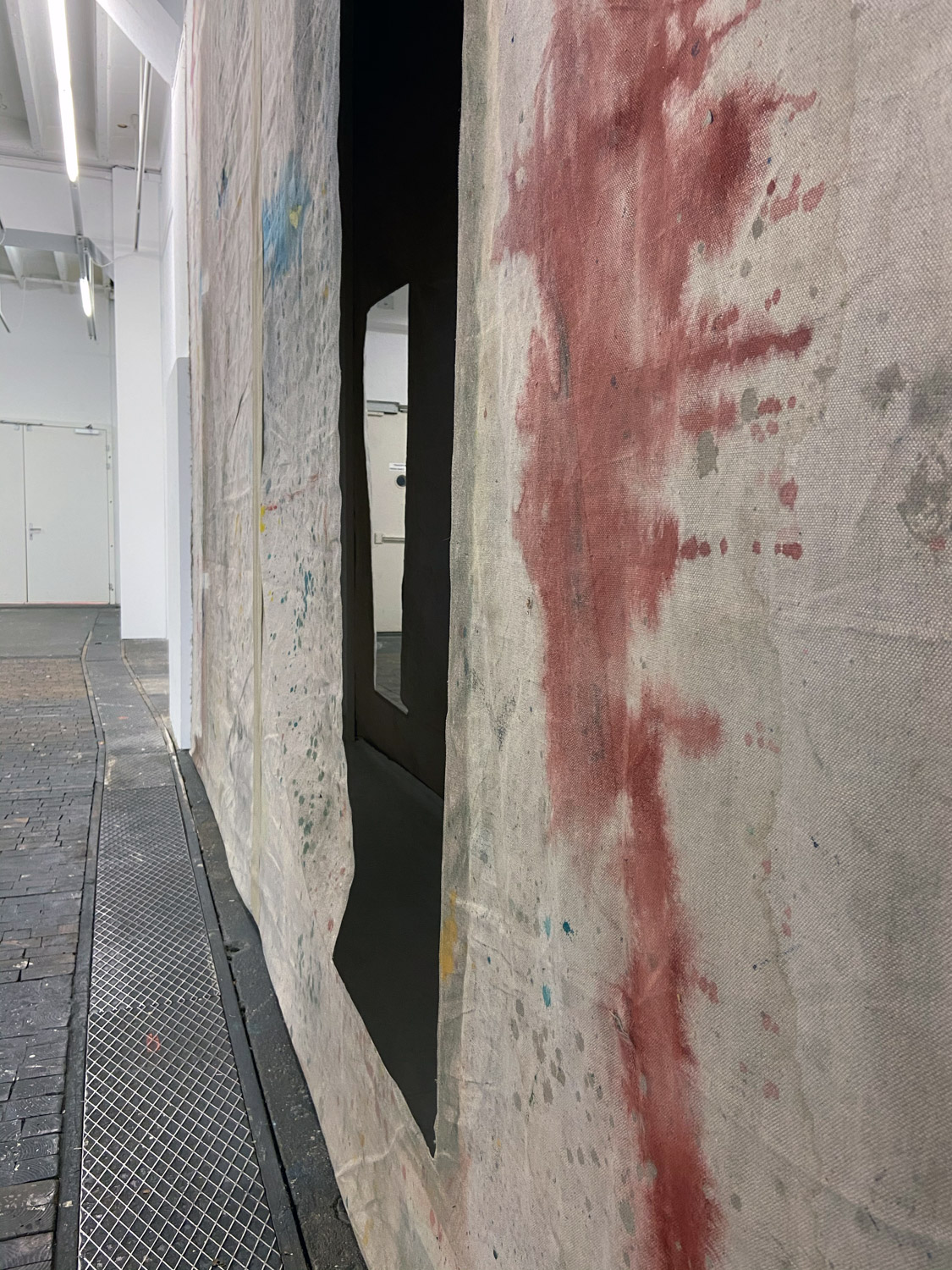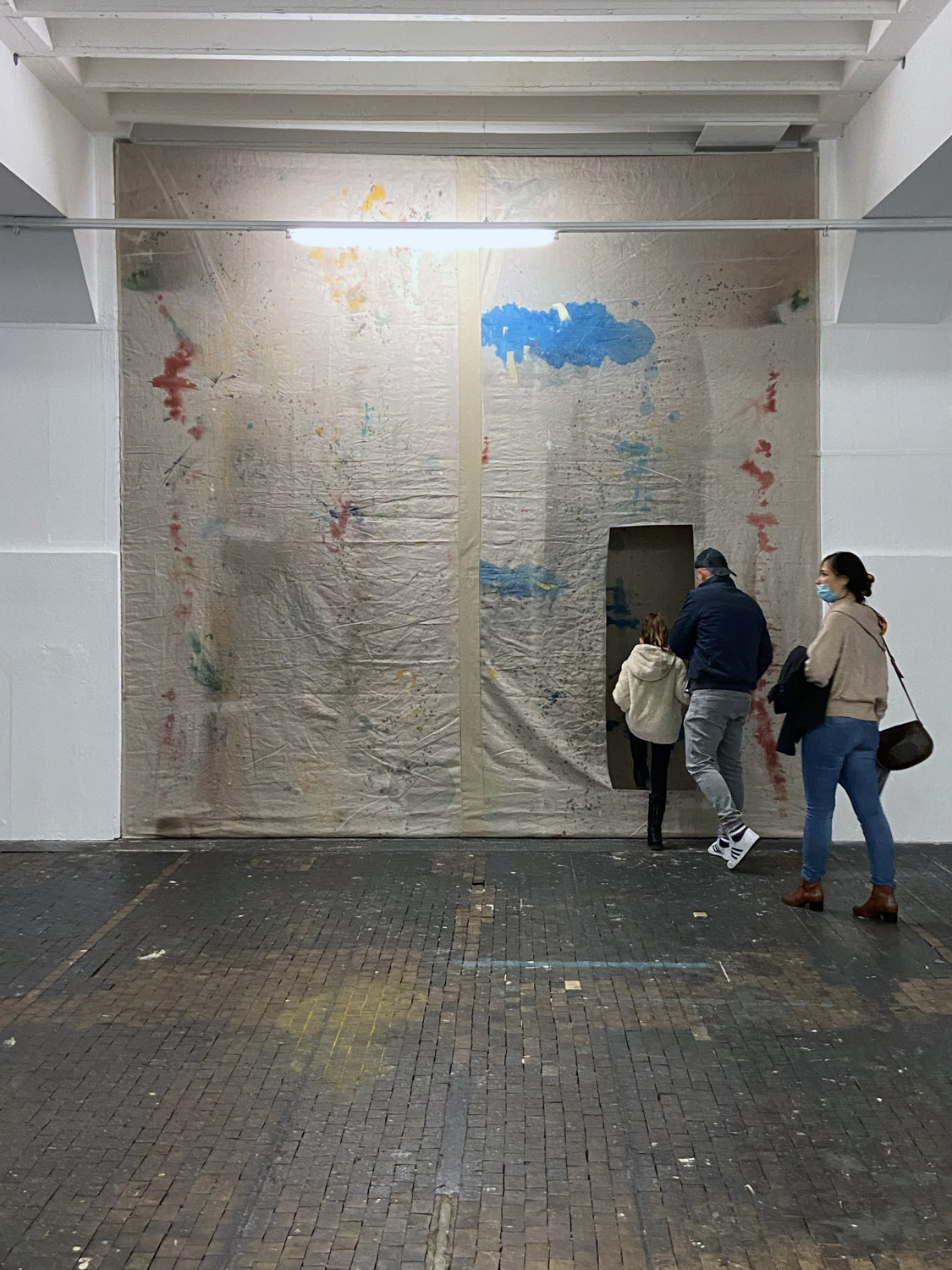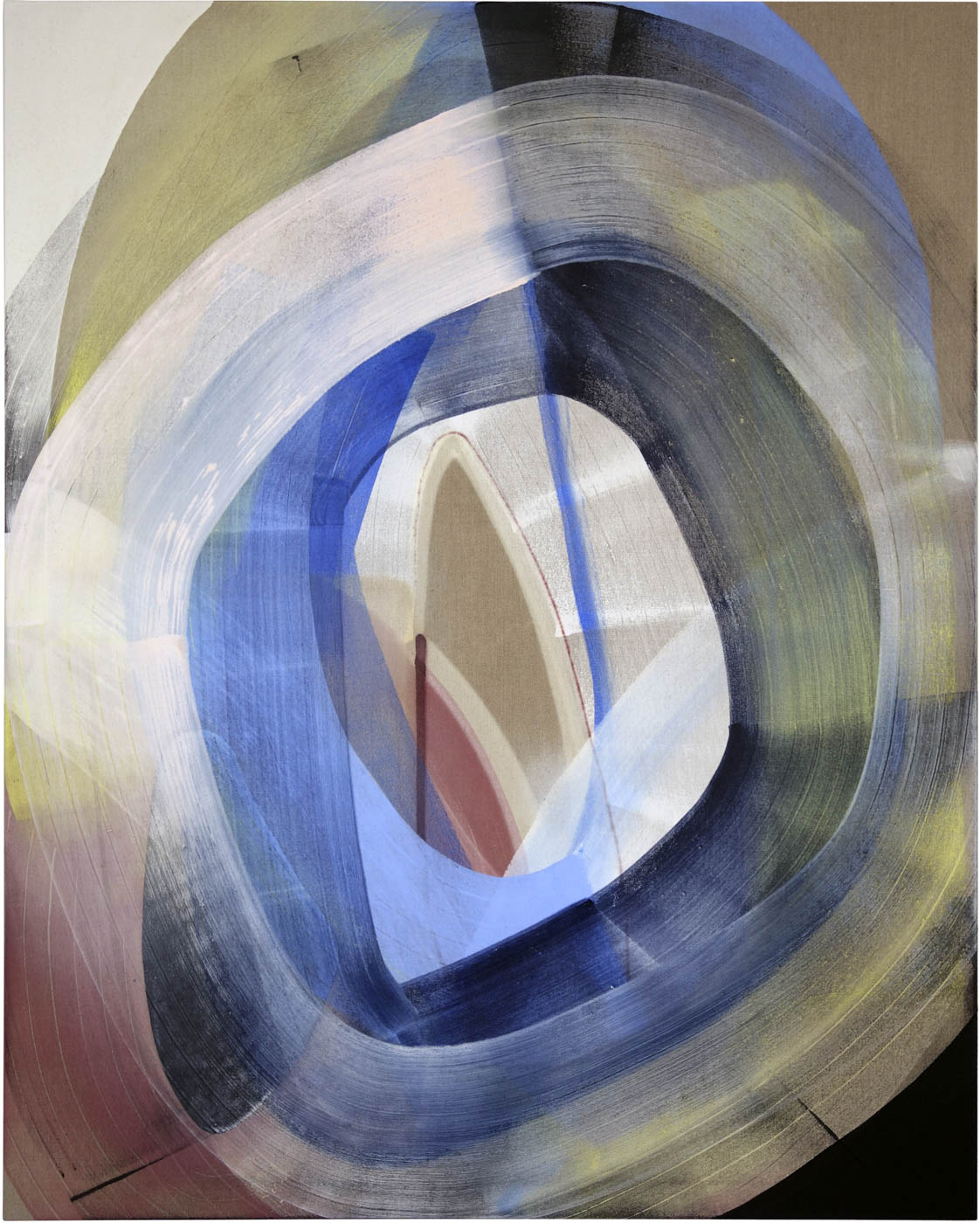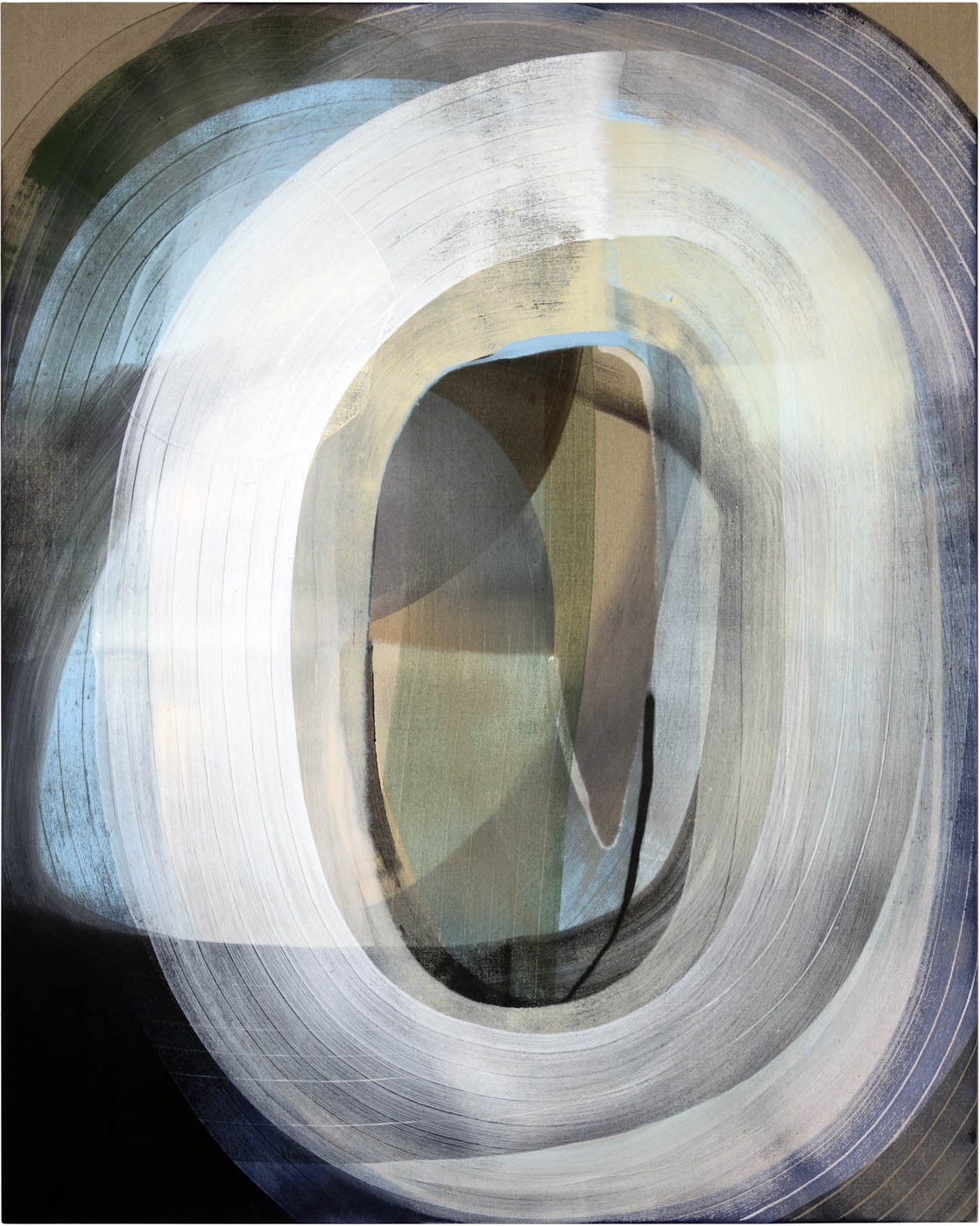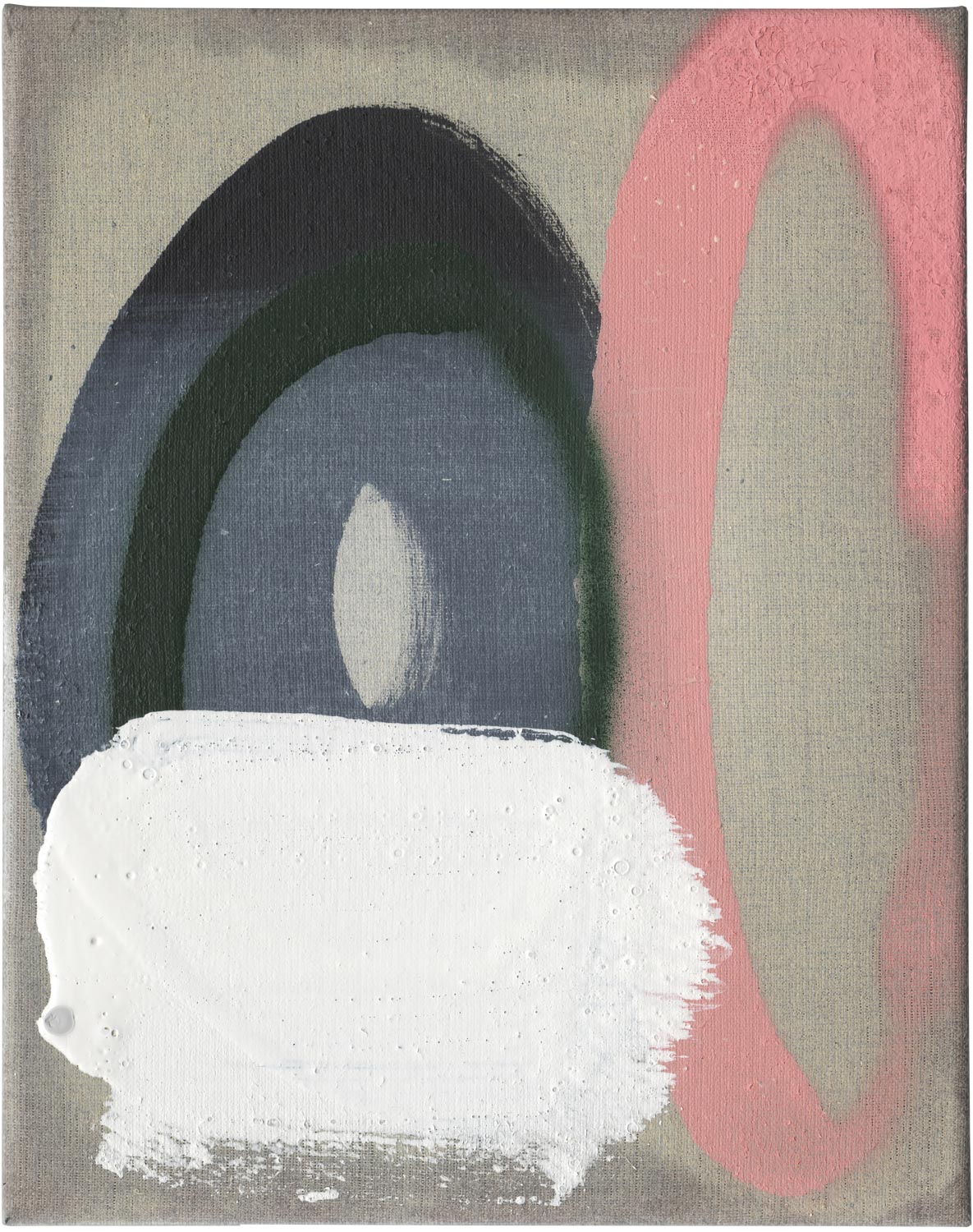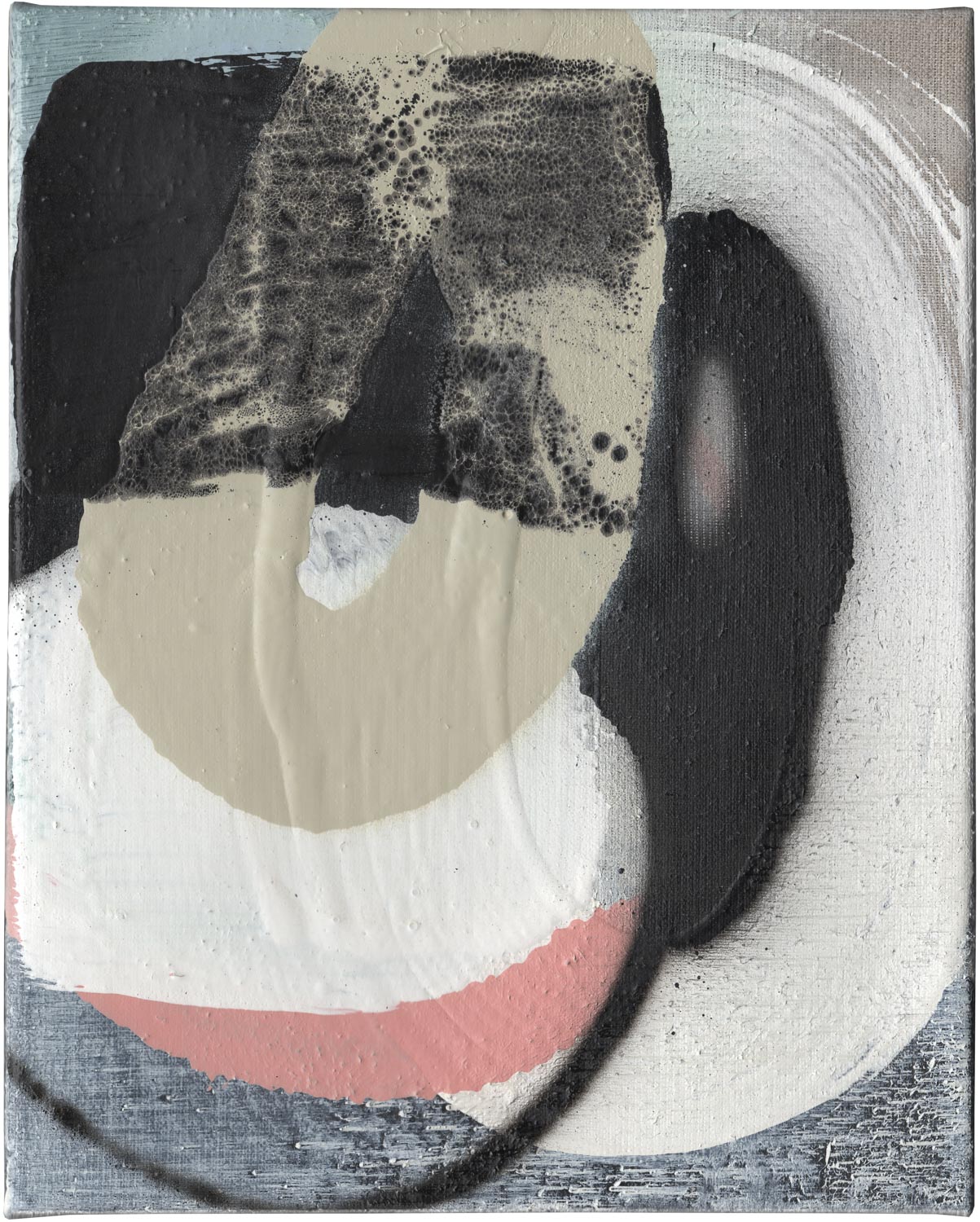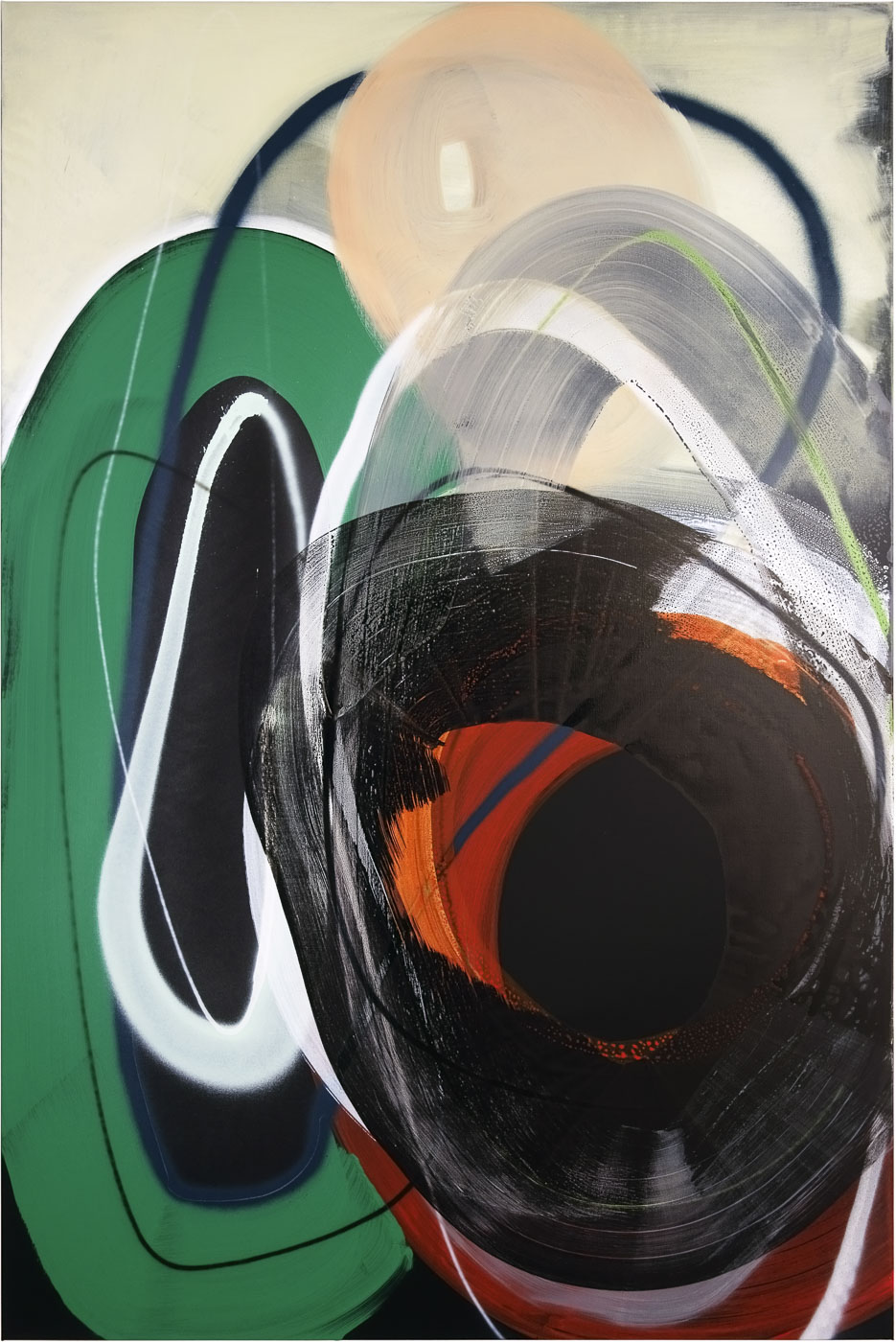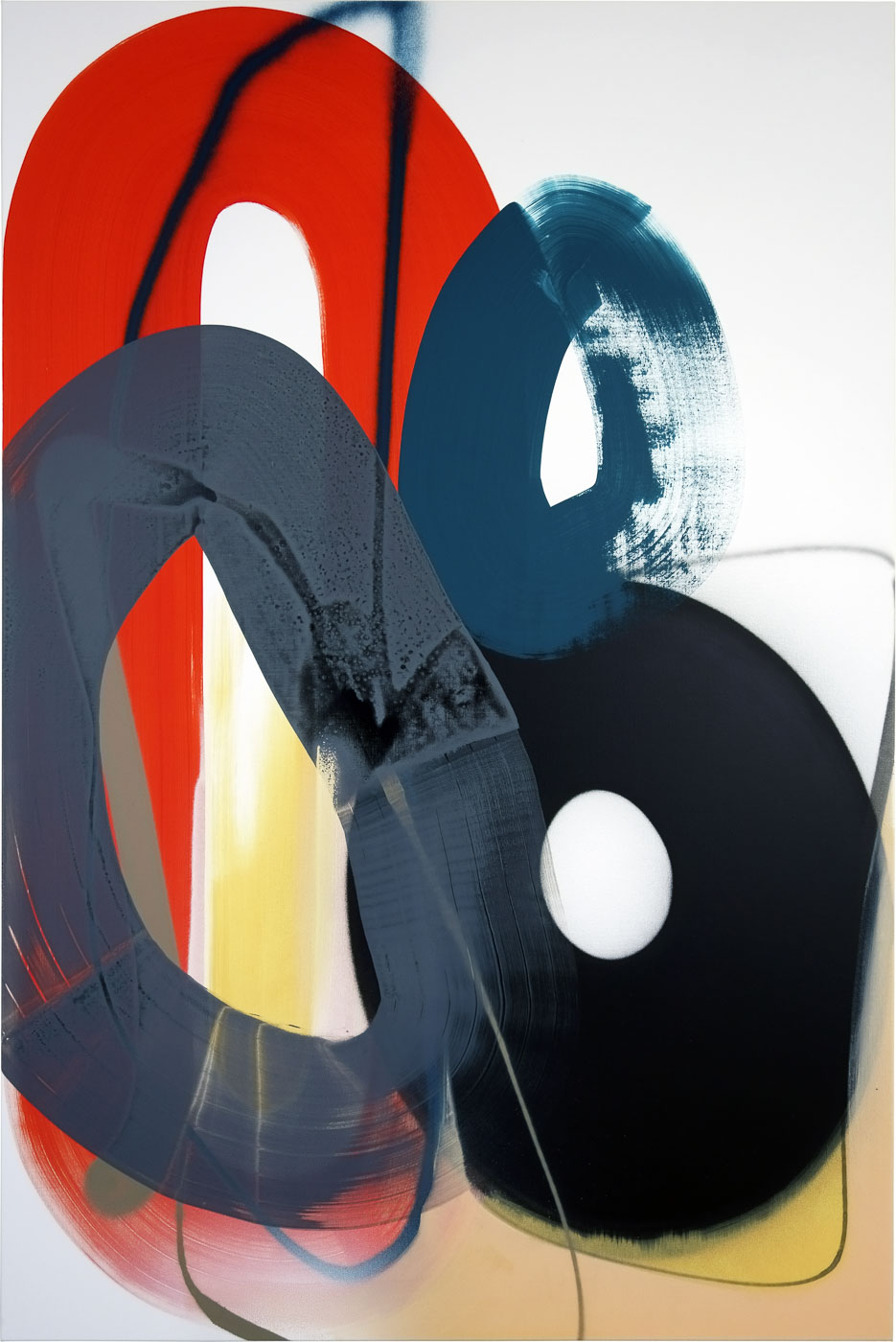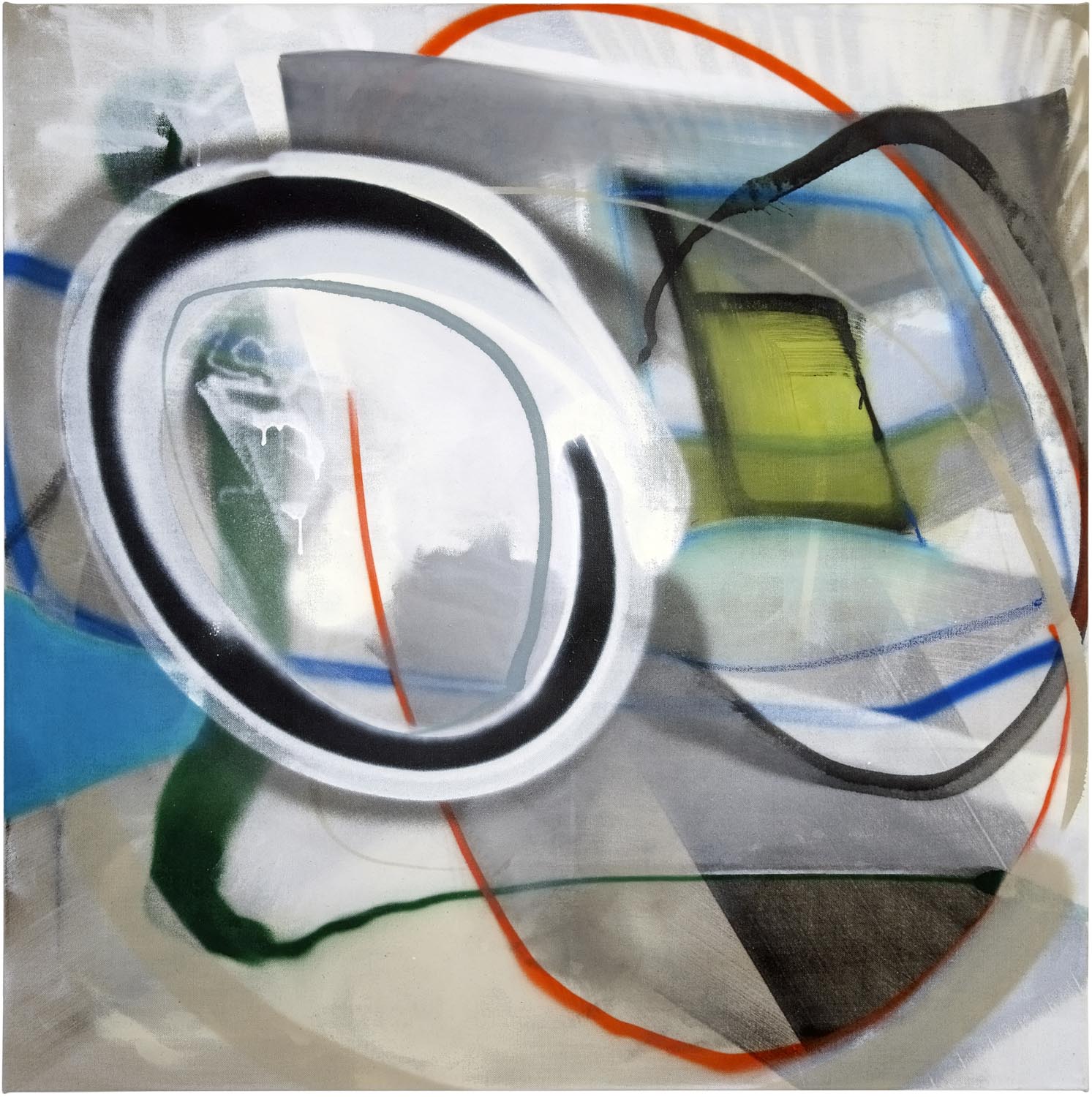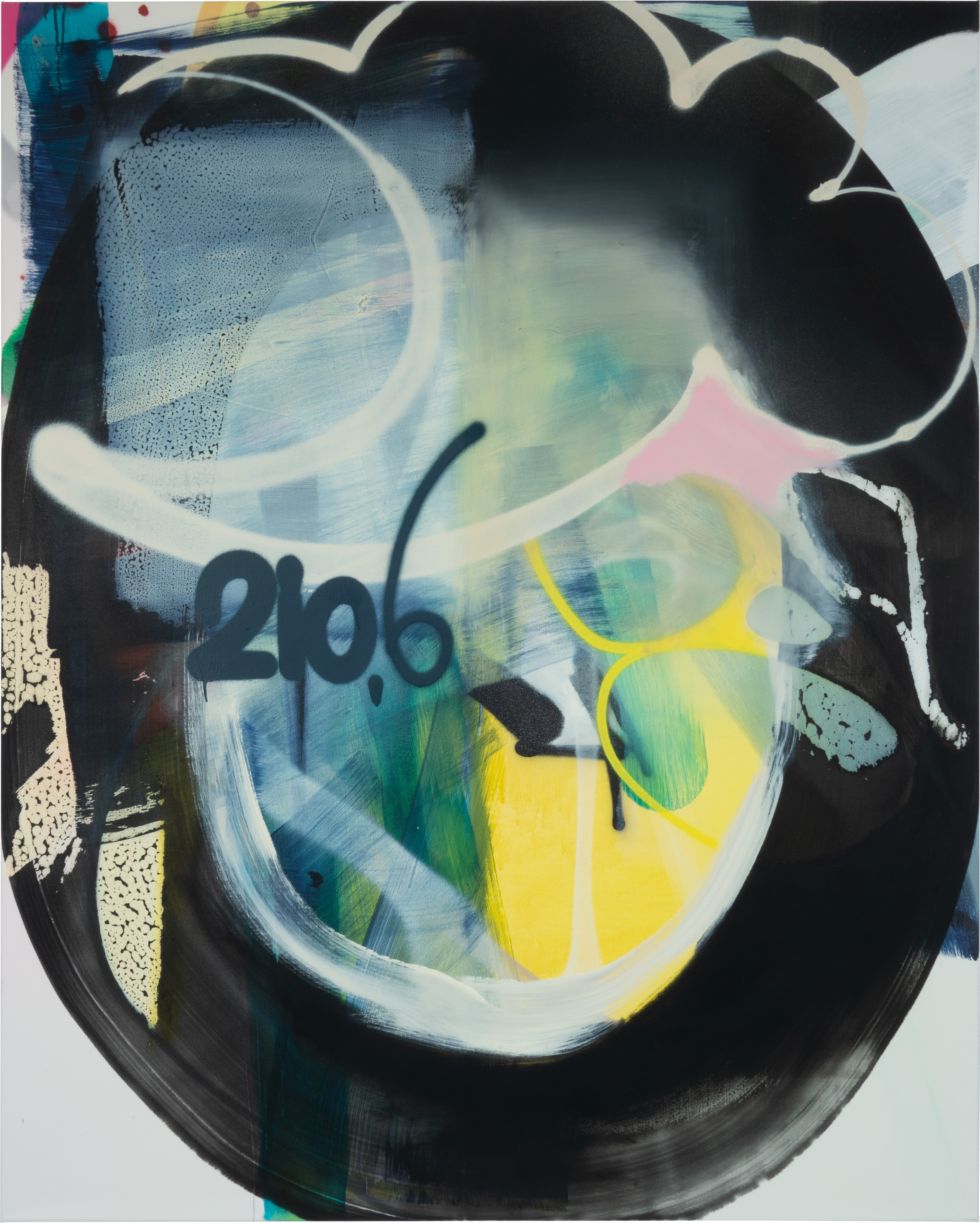



Adrian FALKNER’s Boulder series
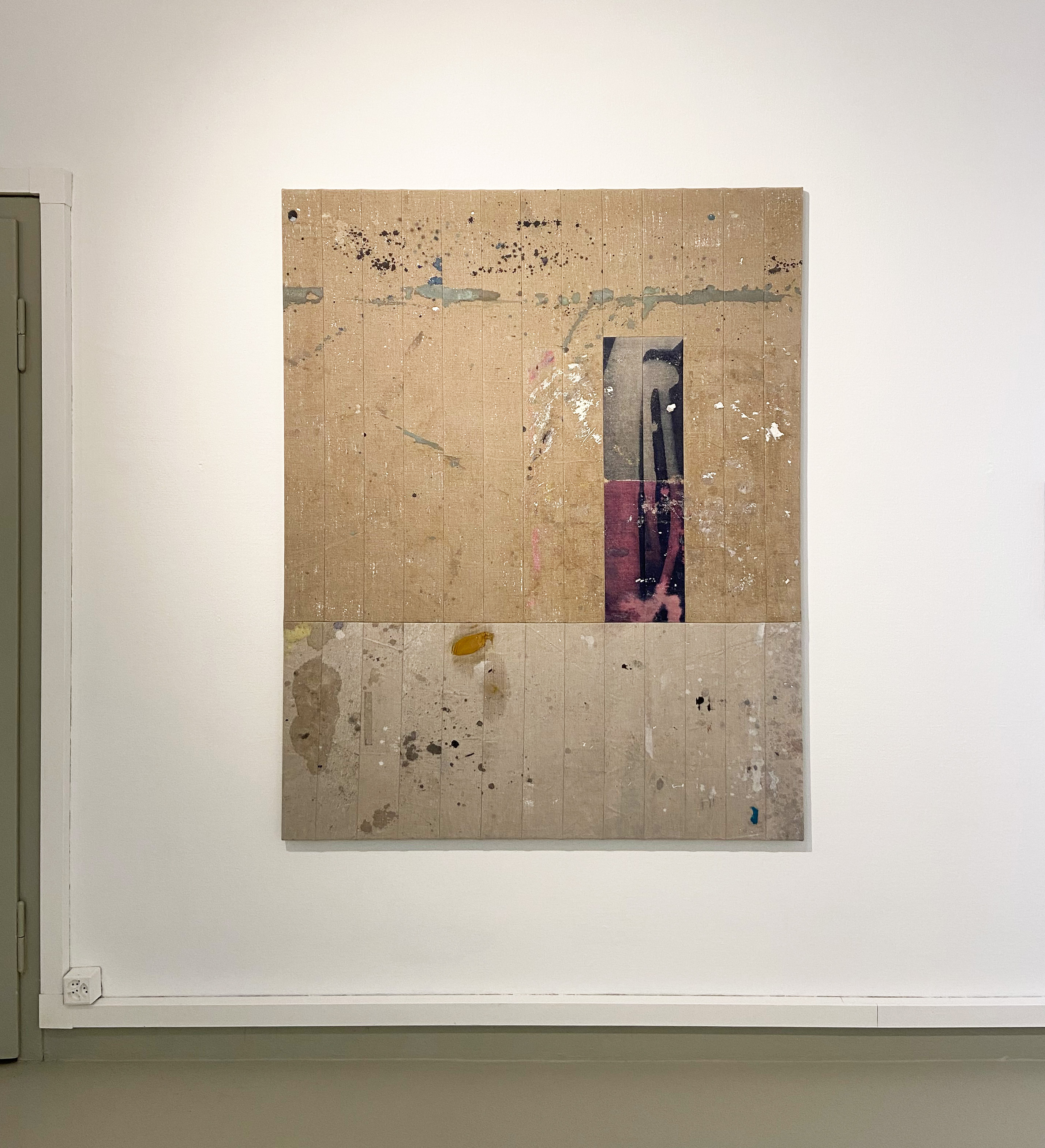
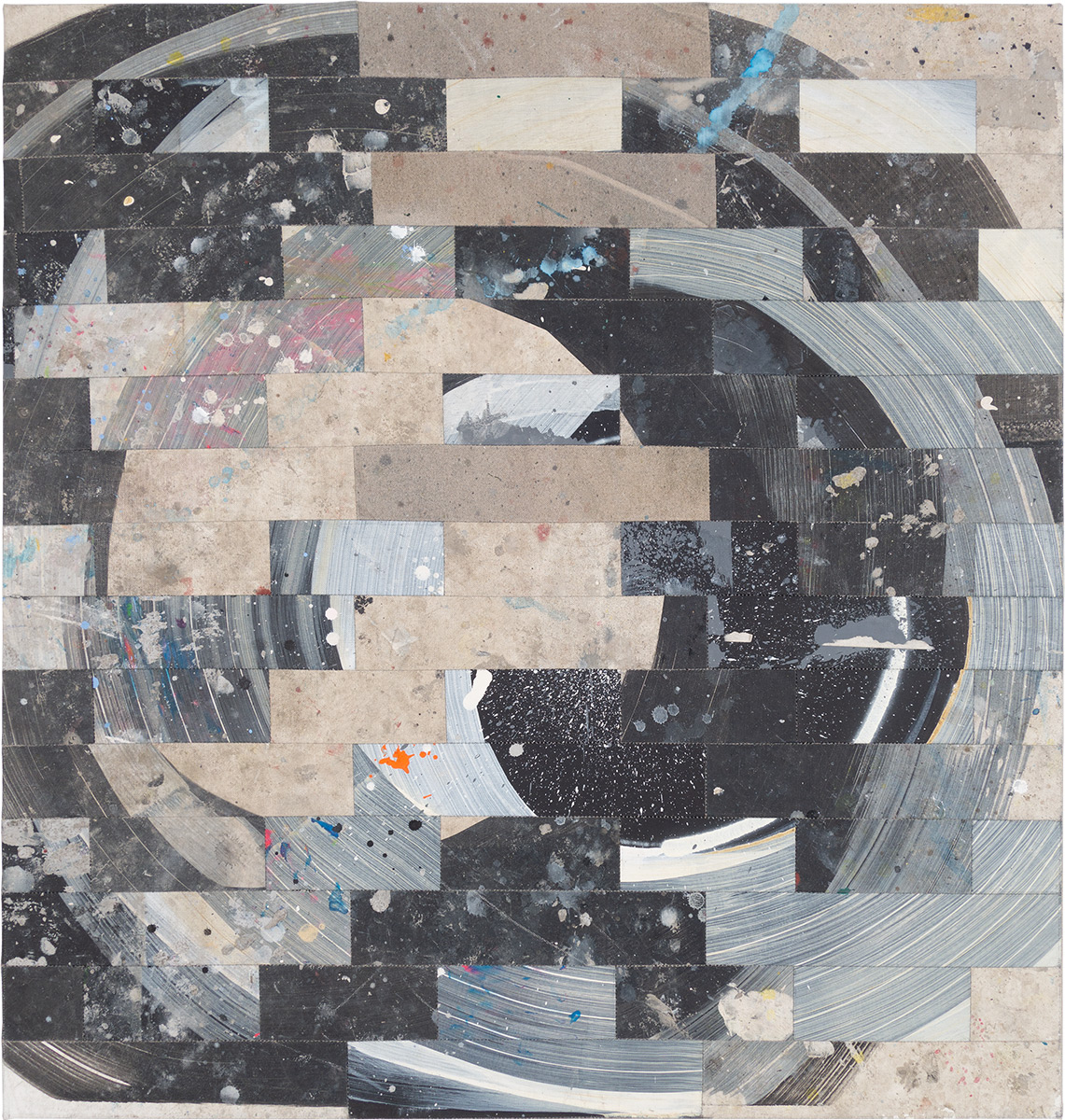
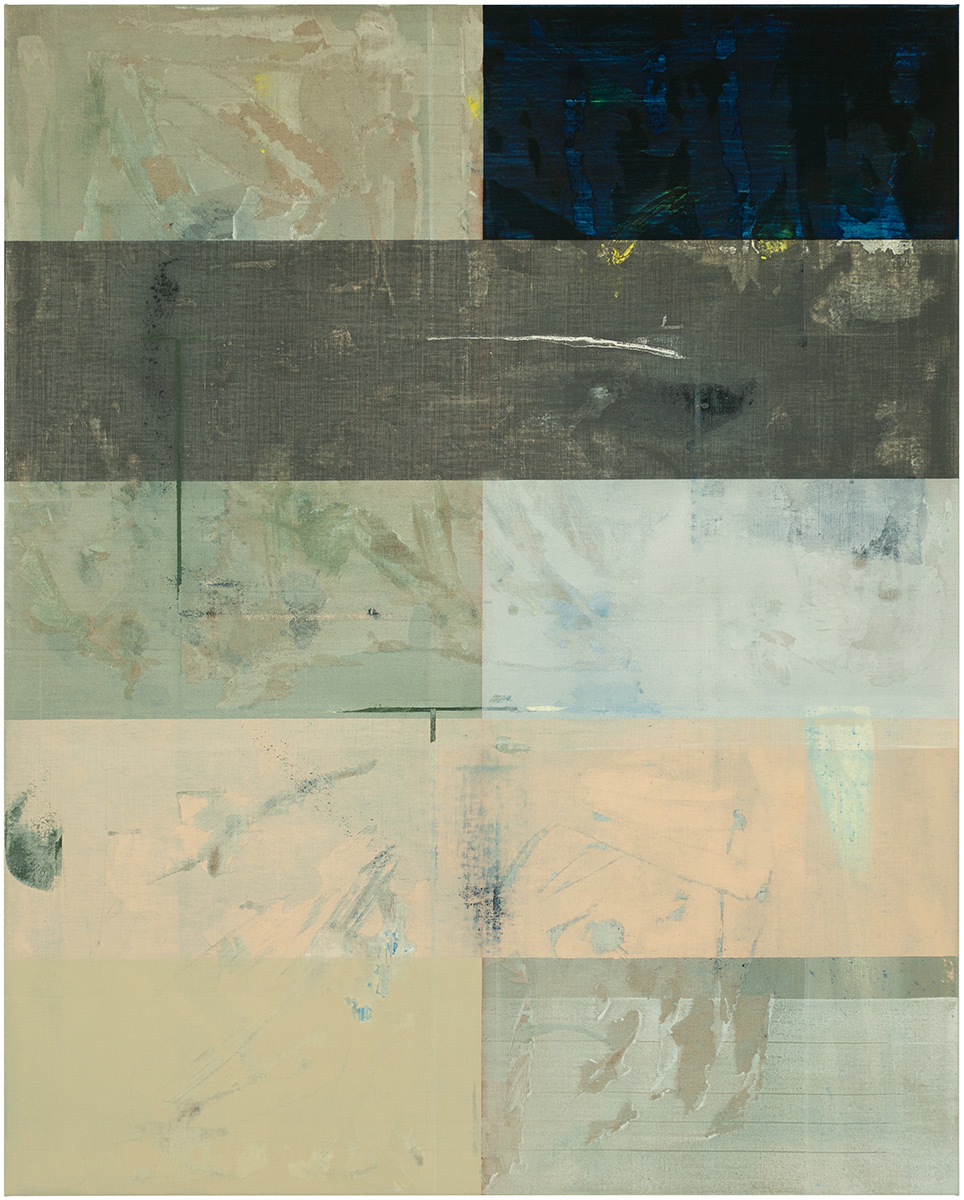
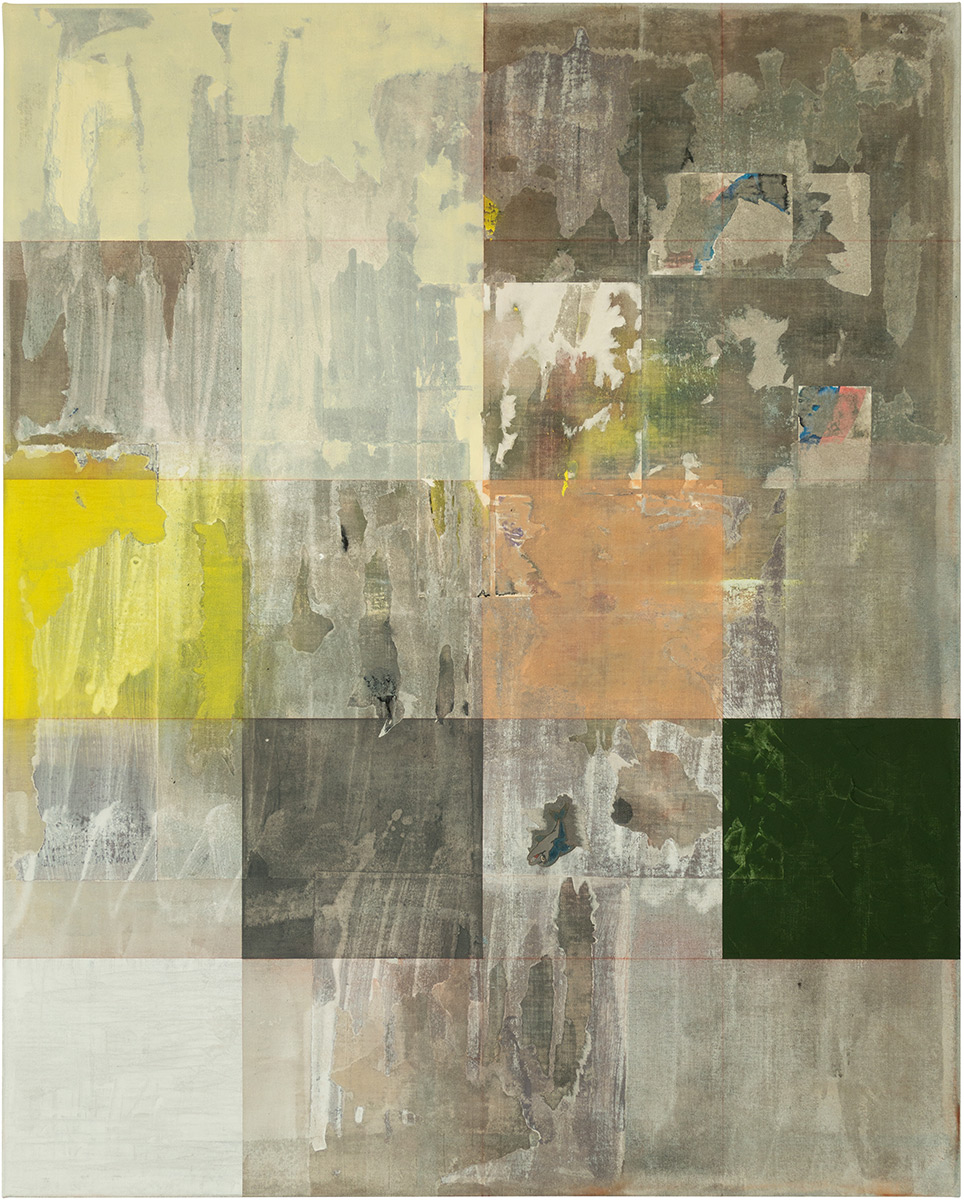
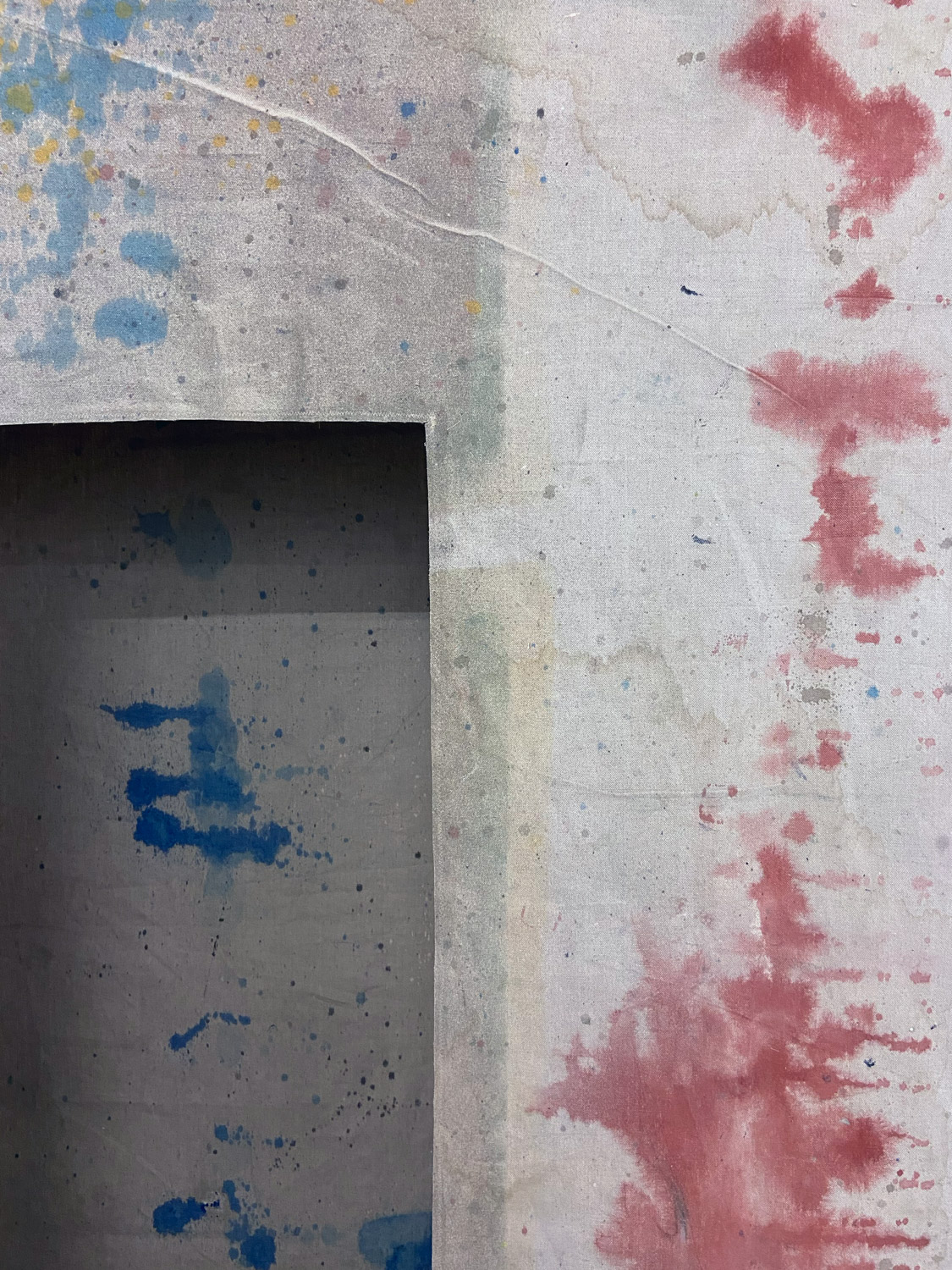
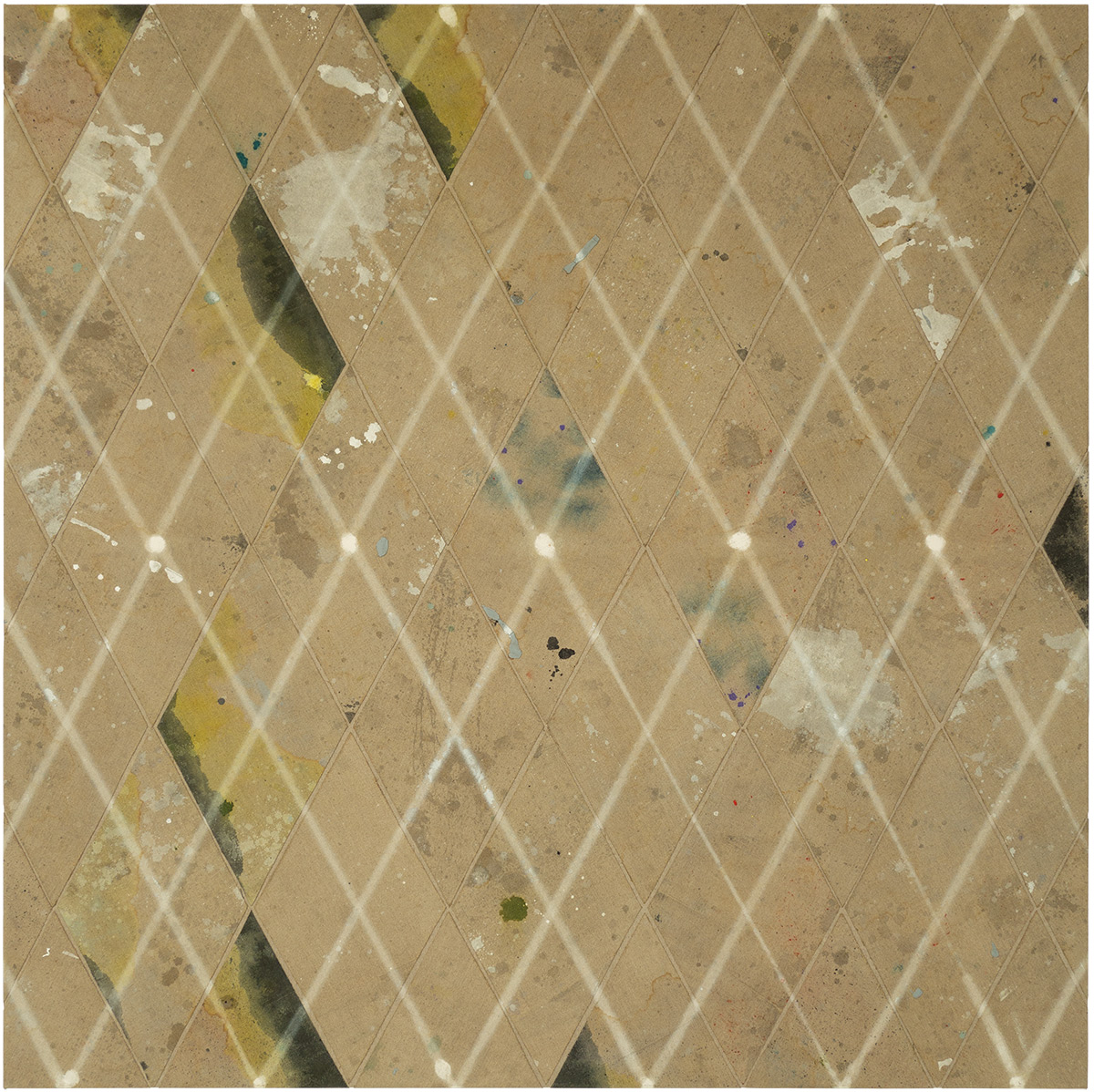
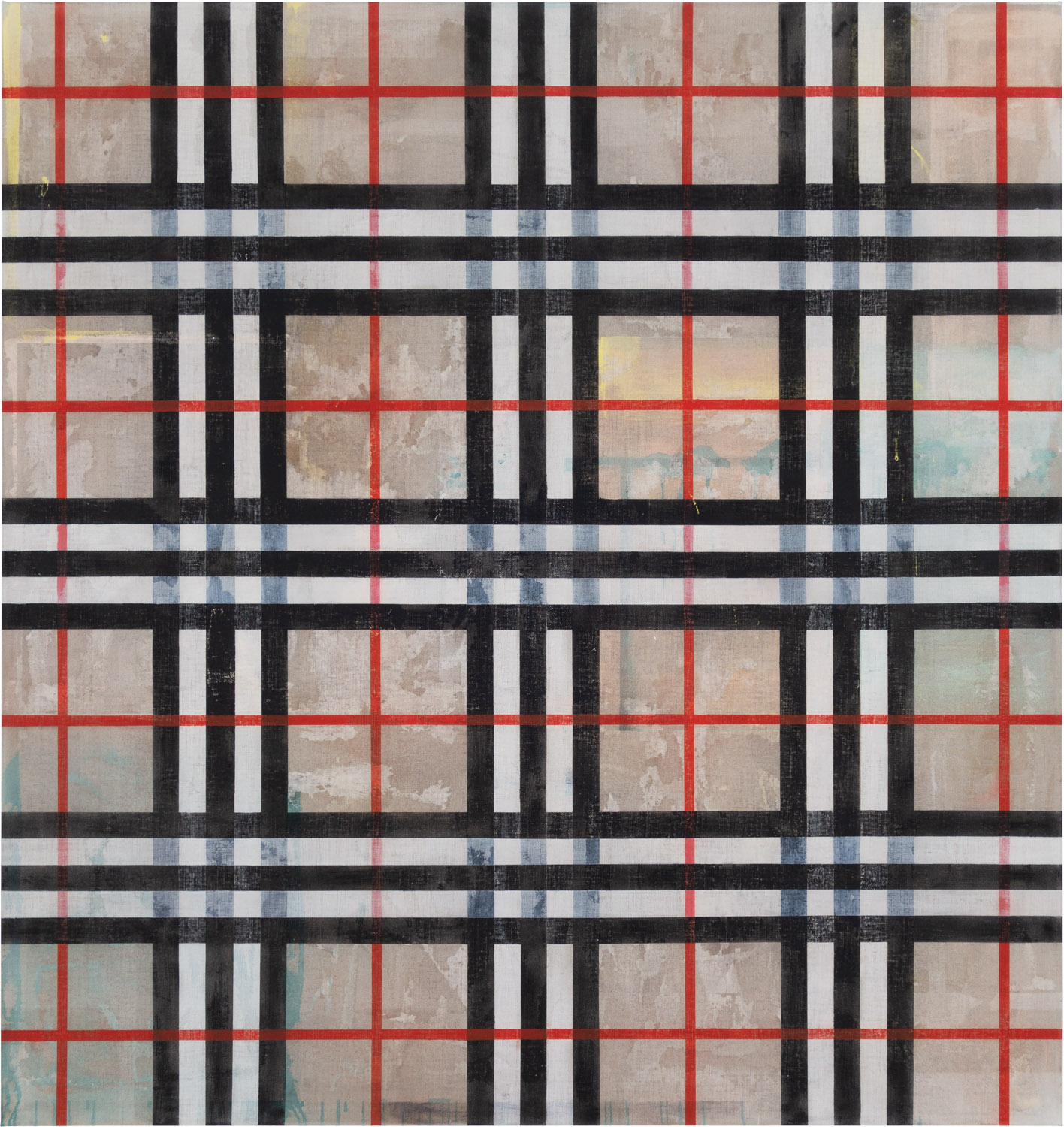
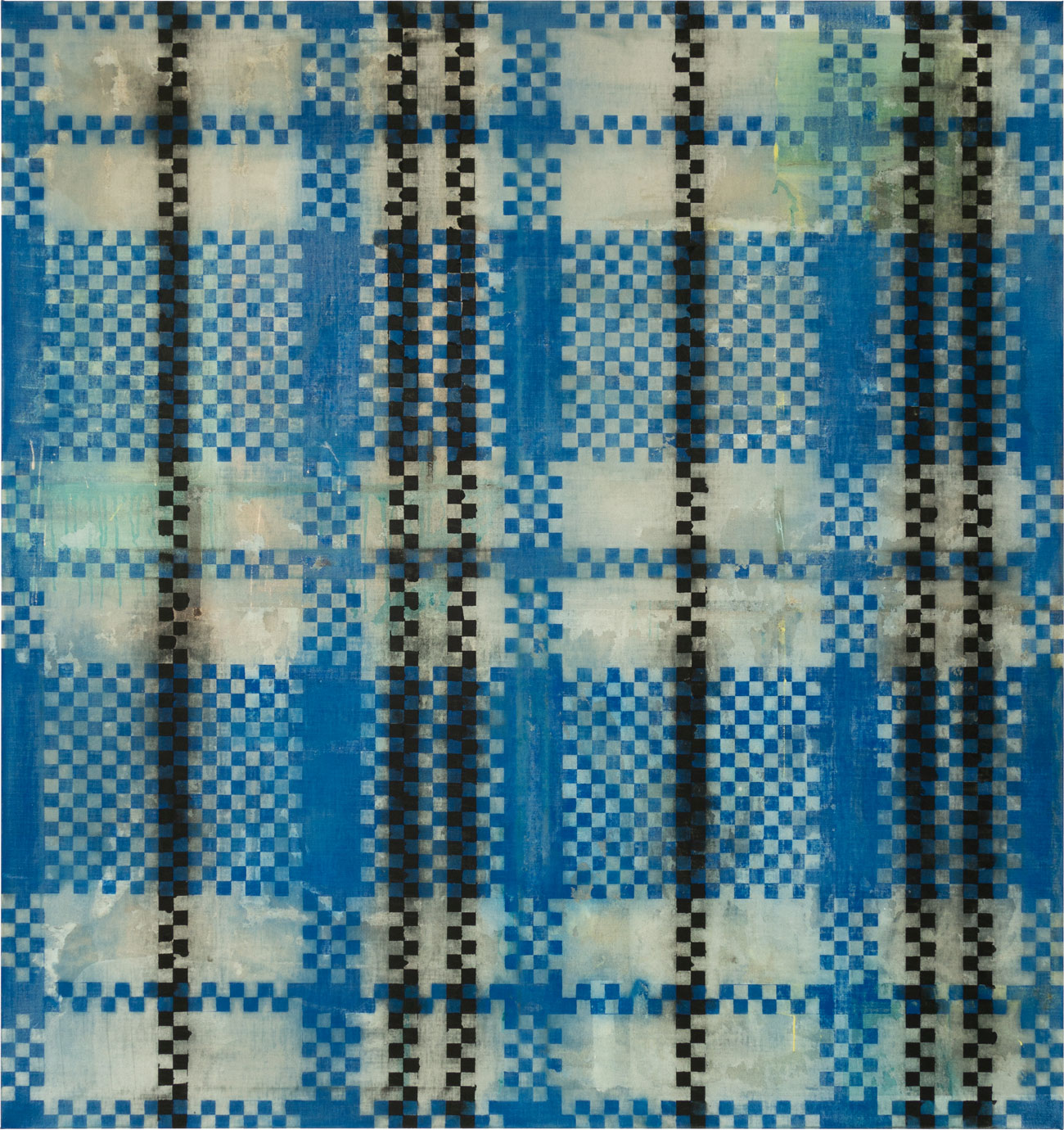
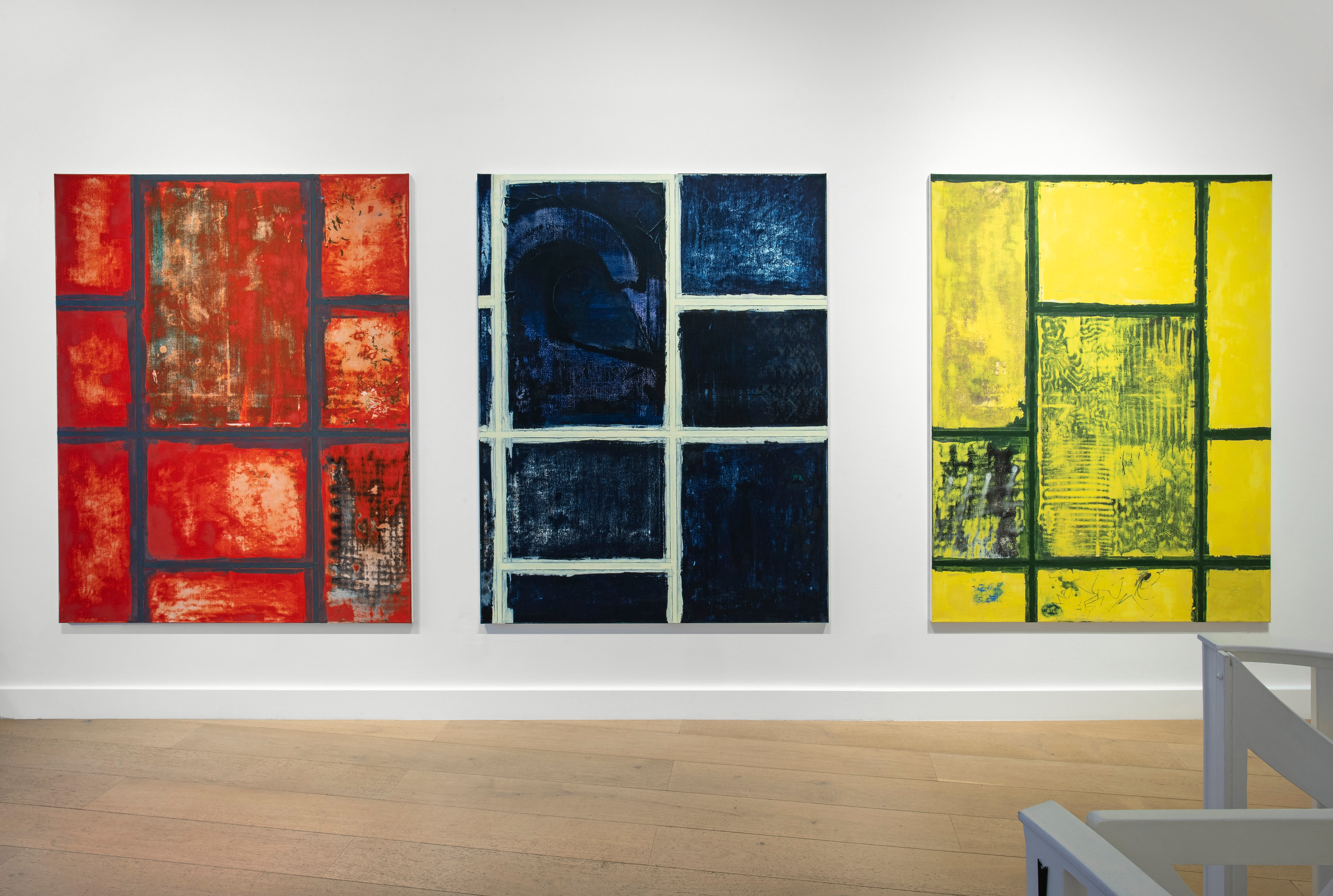
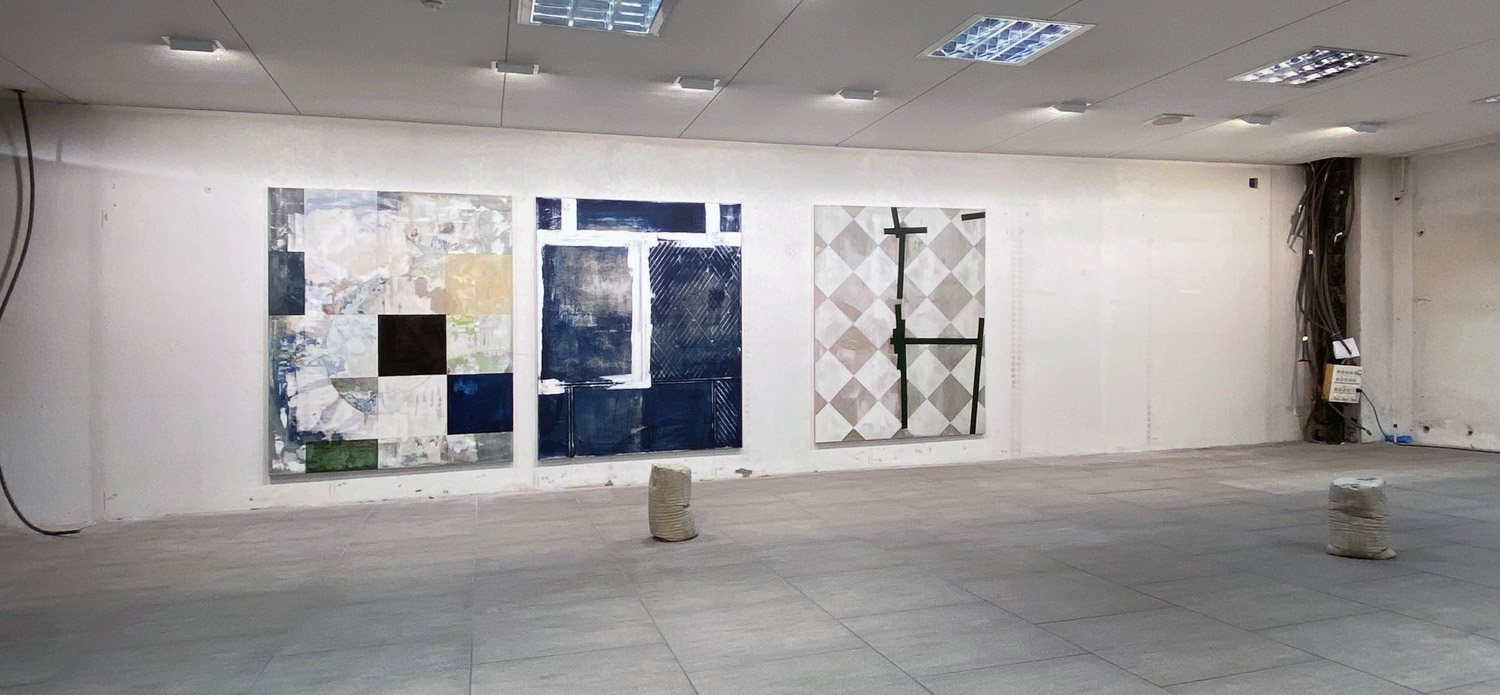
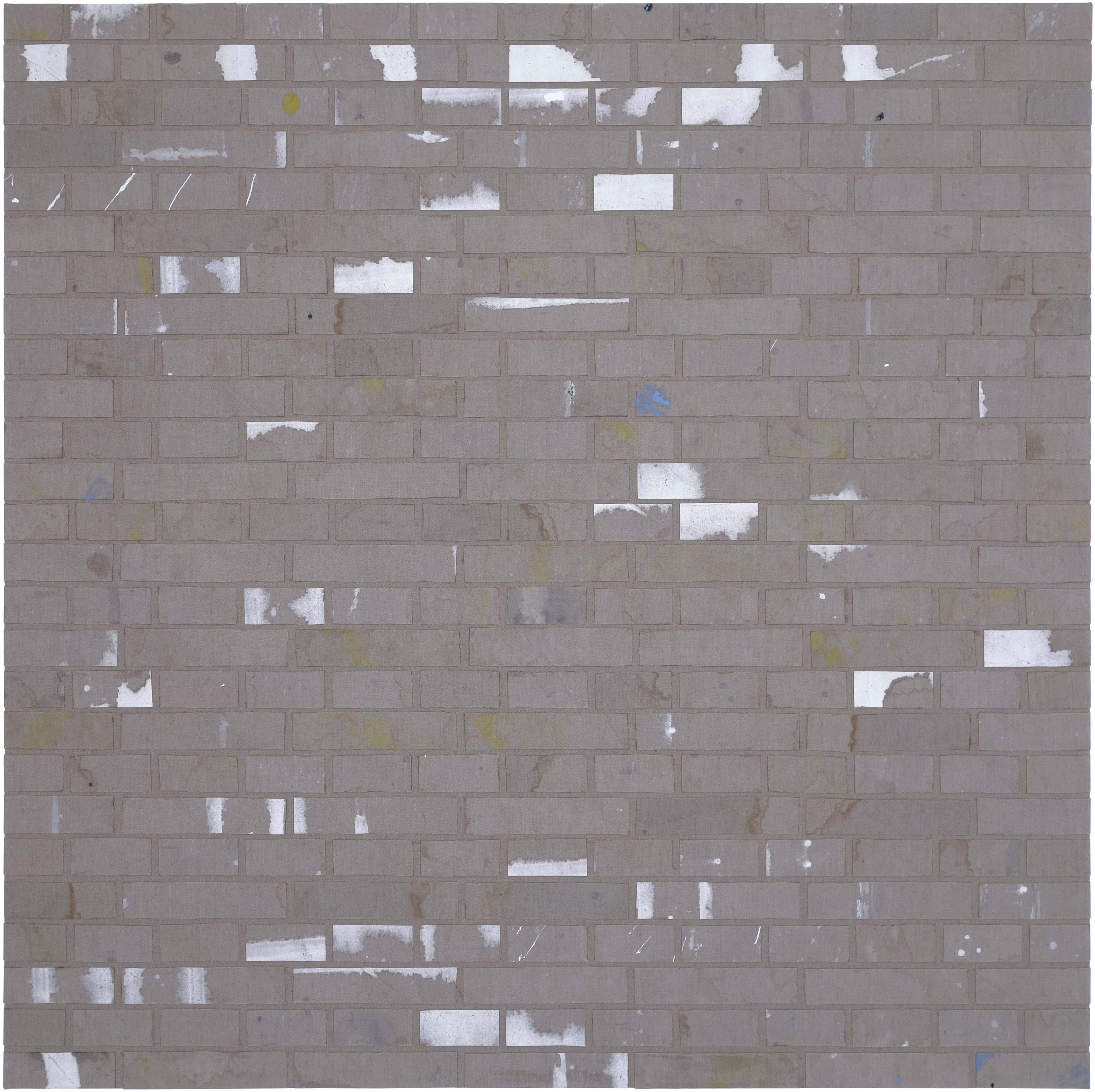
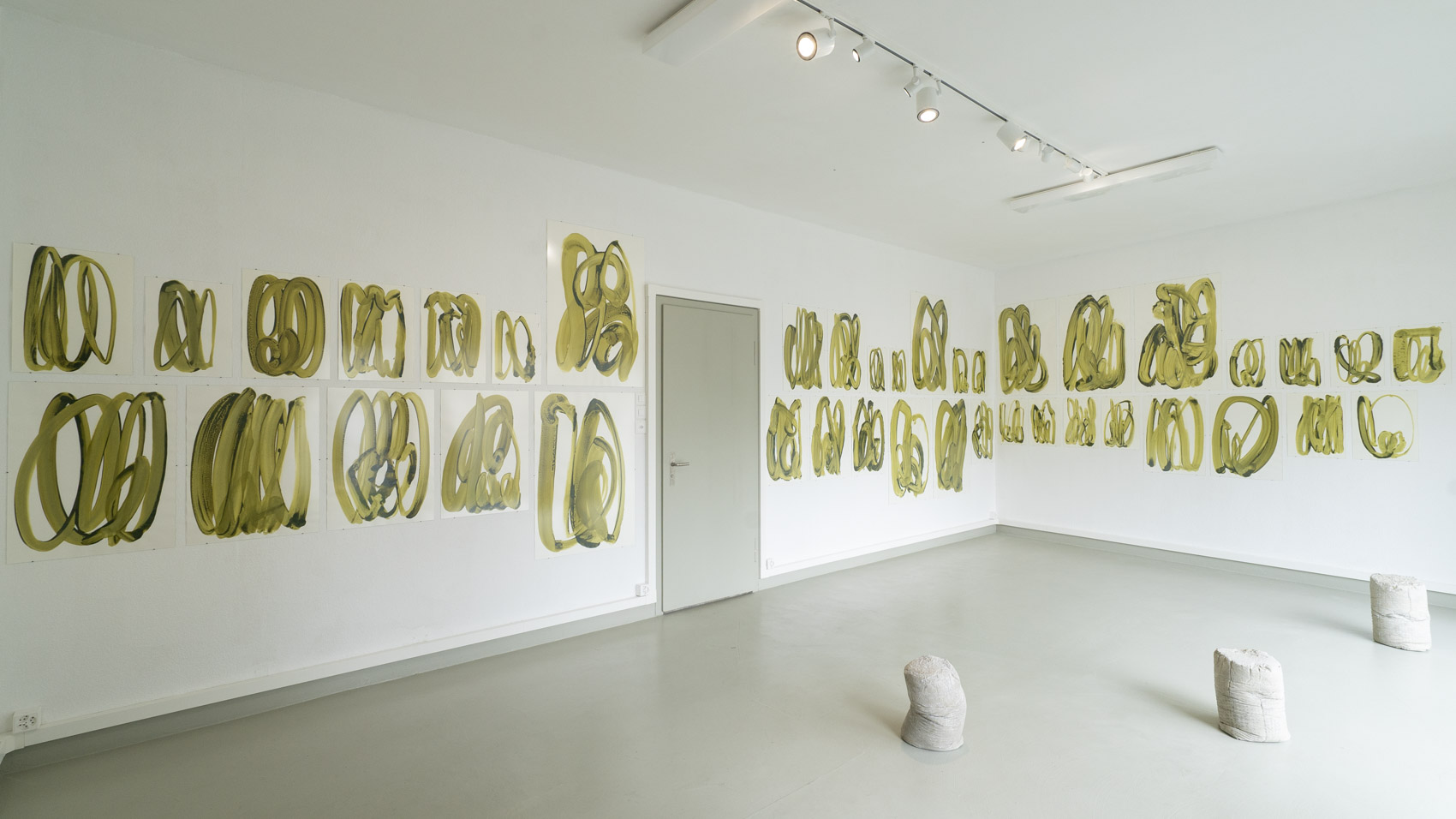
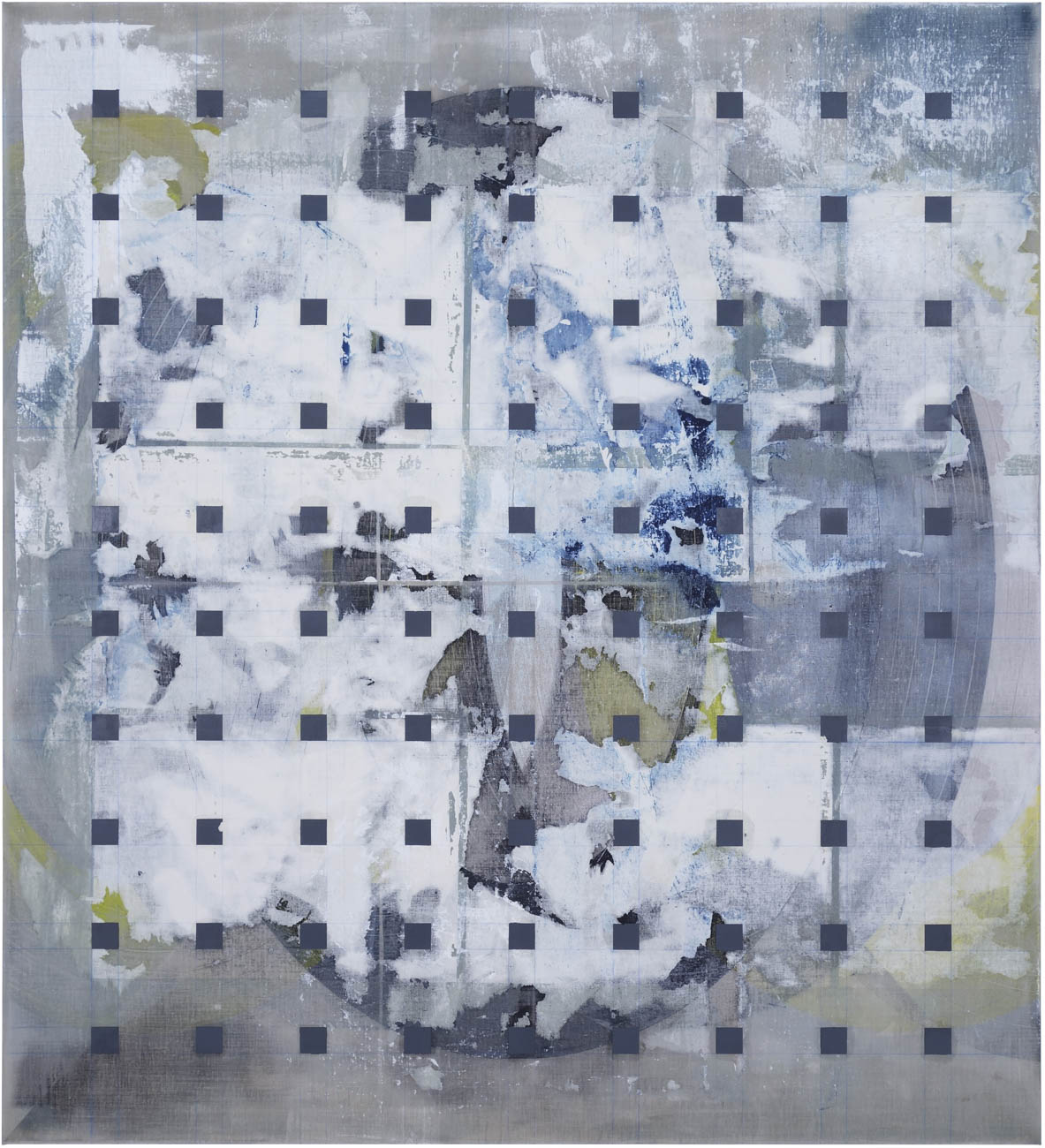
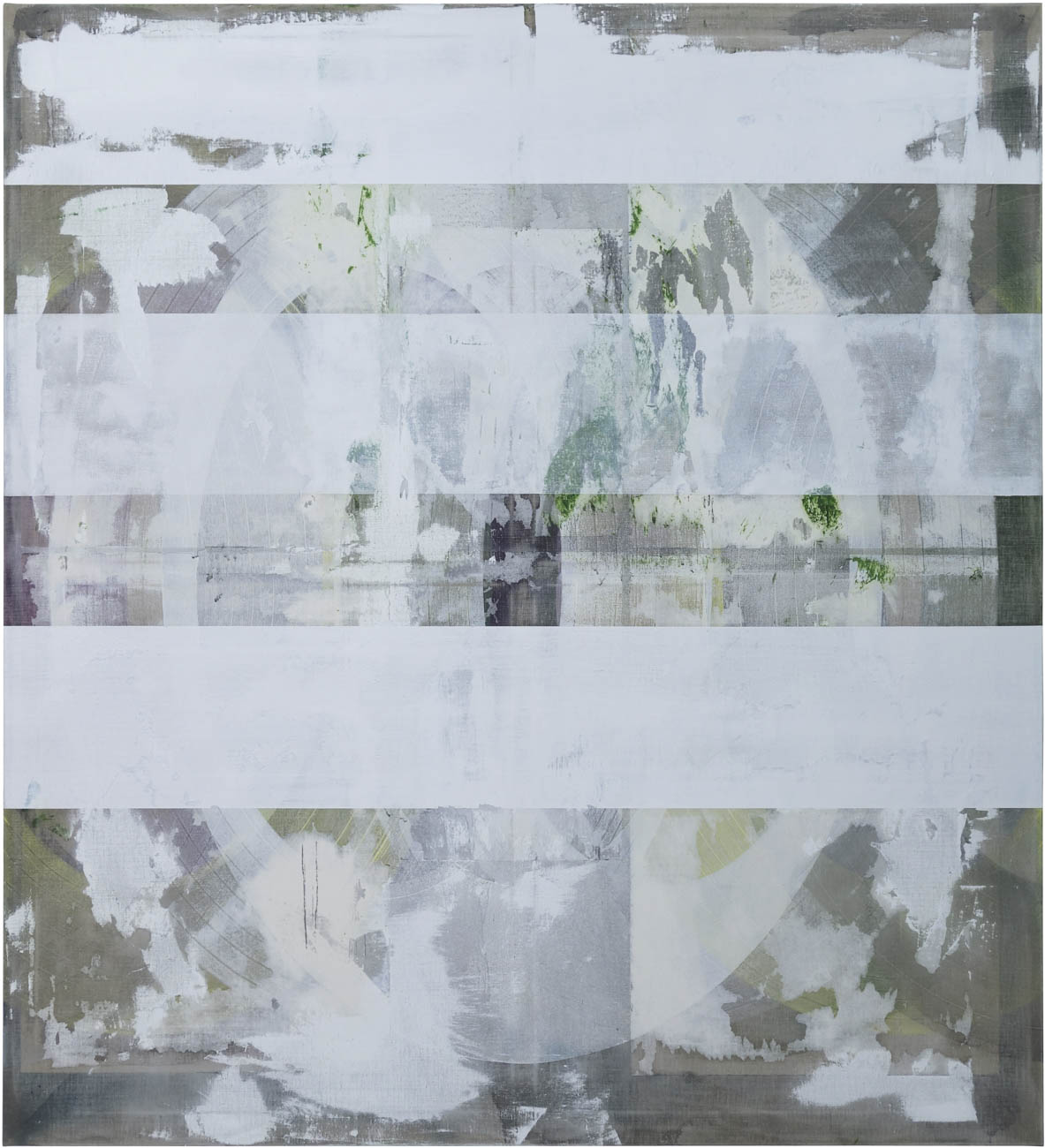
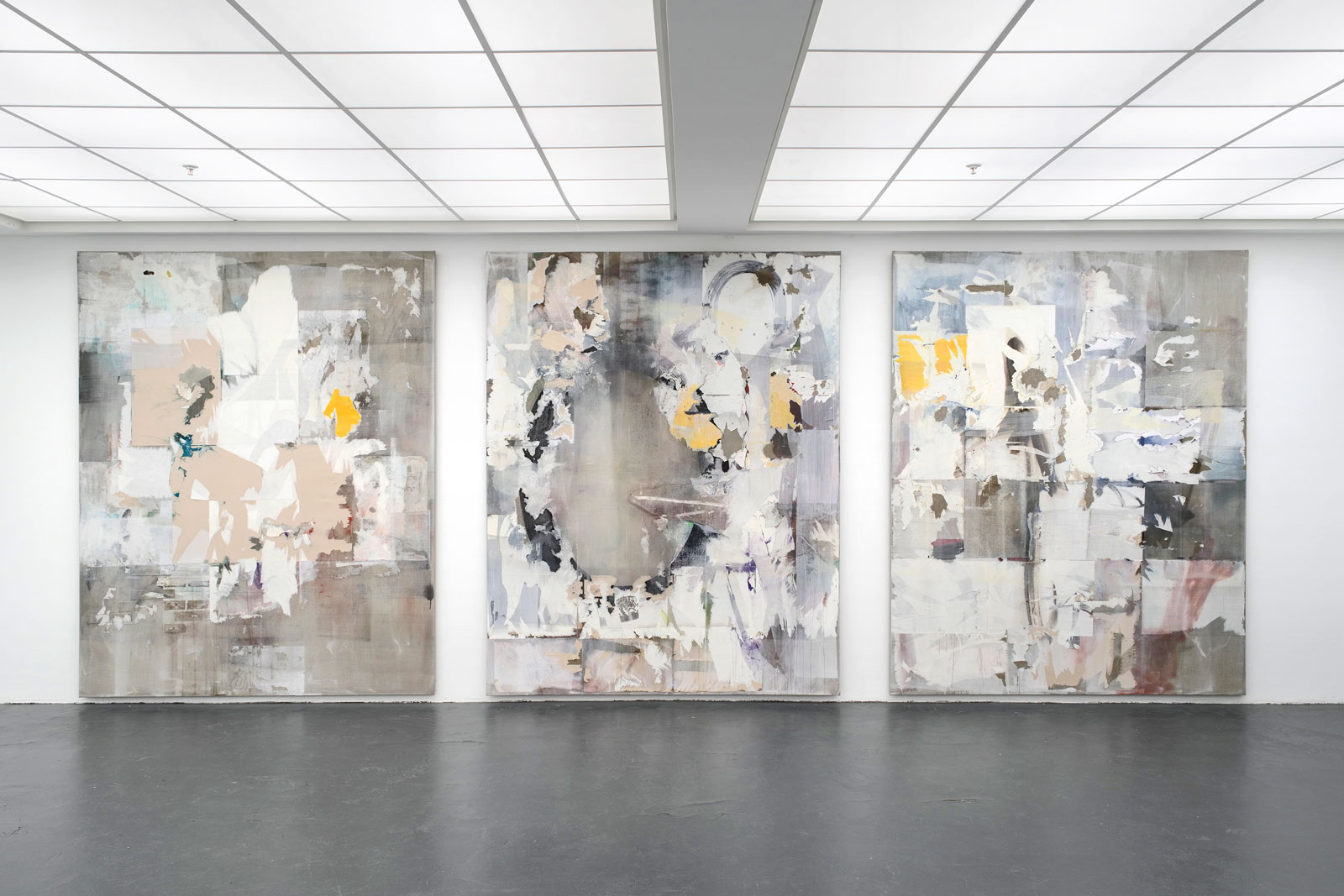
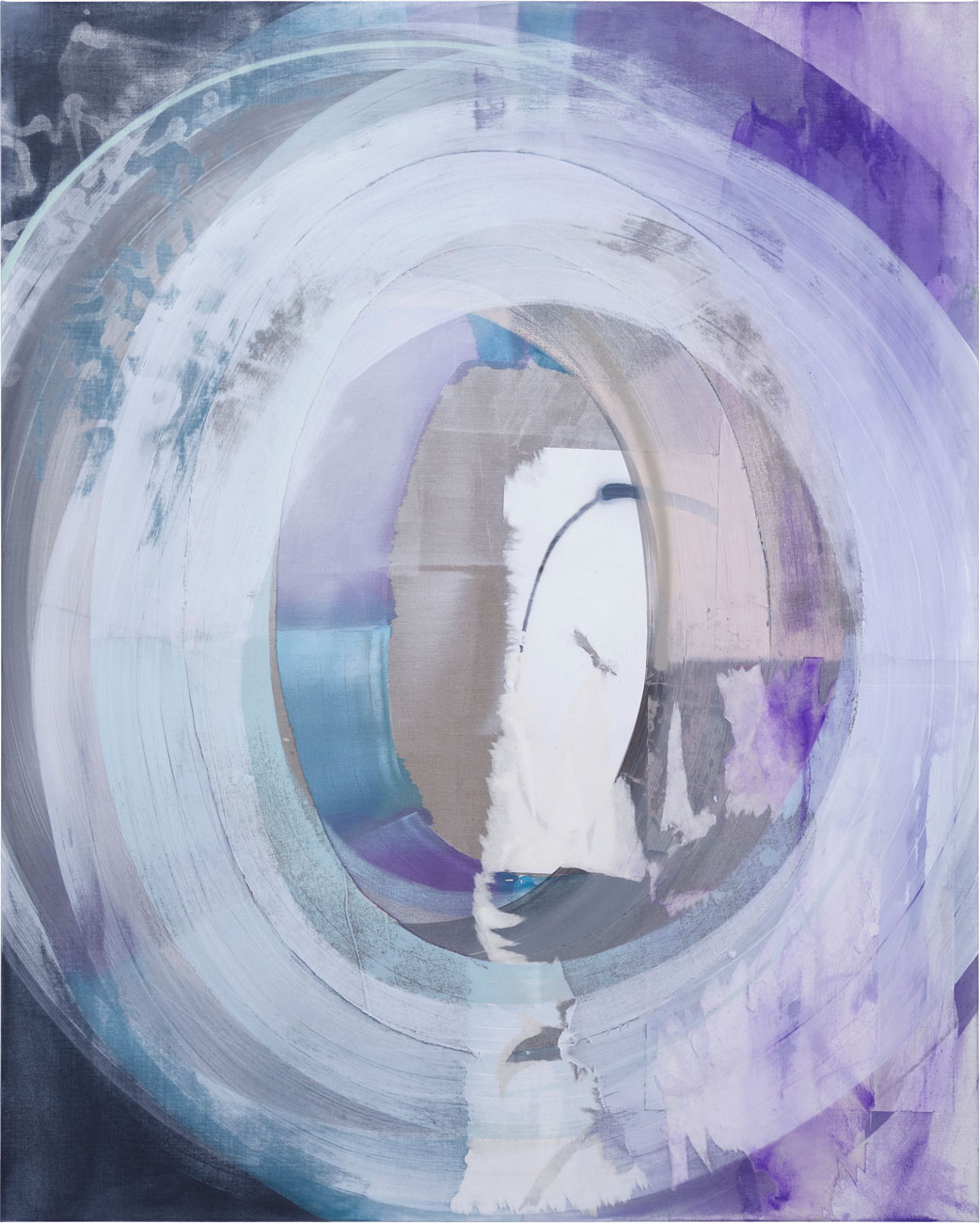
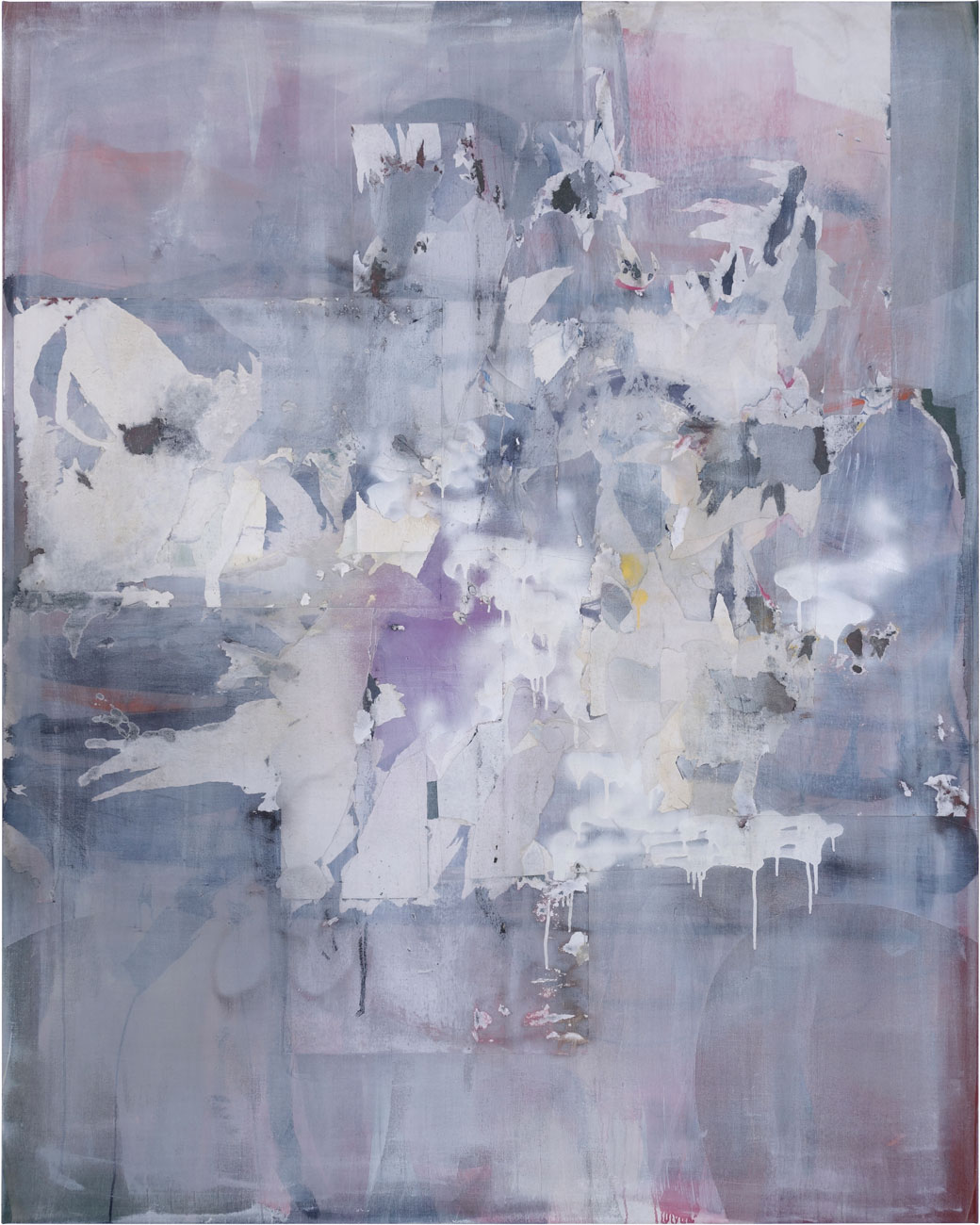
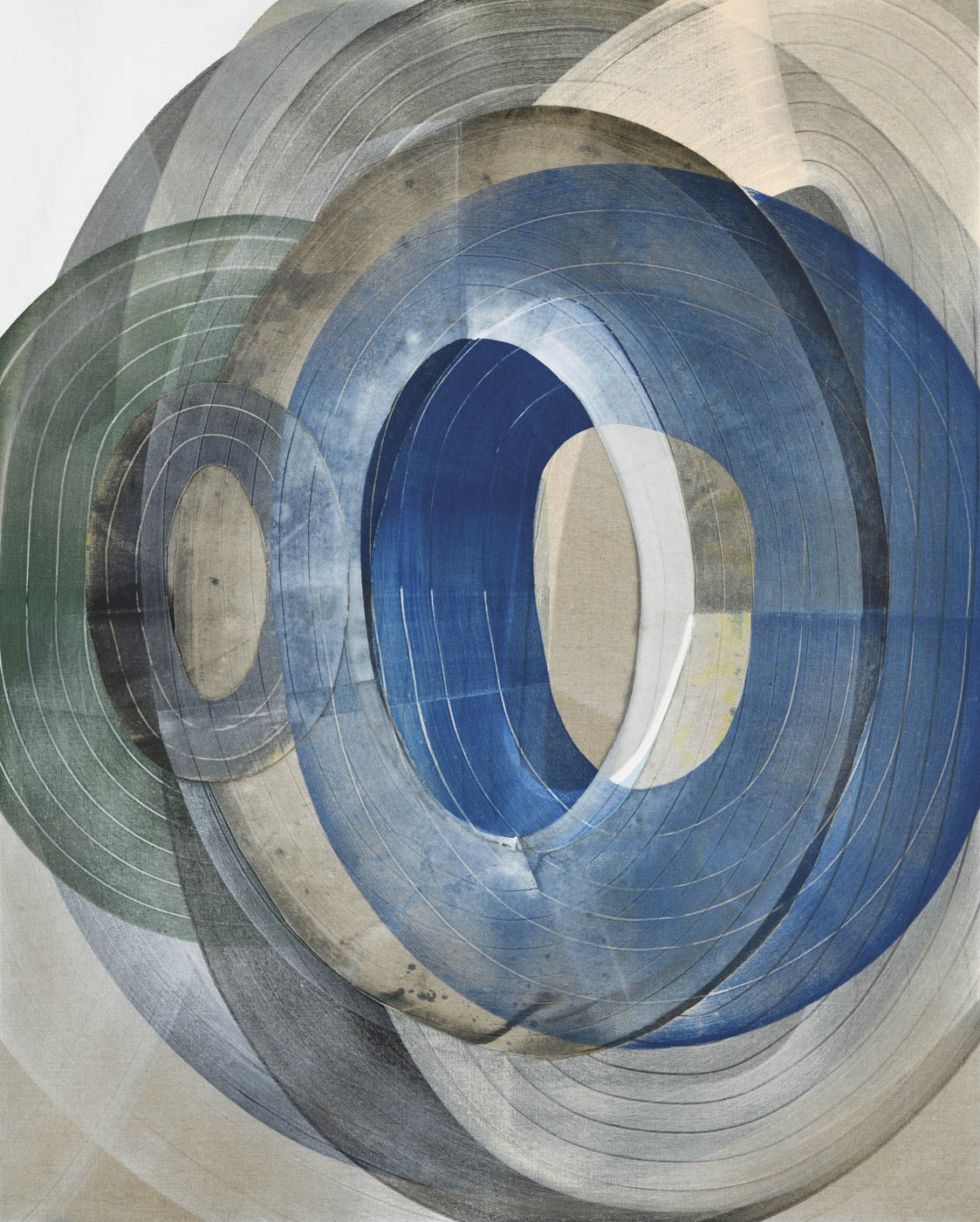
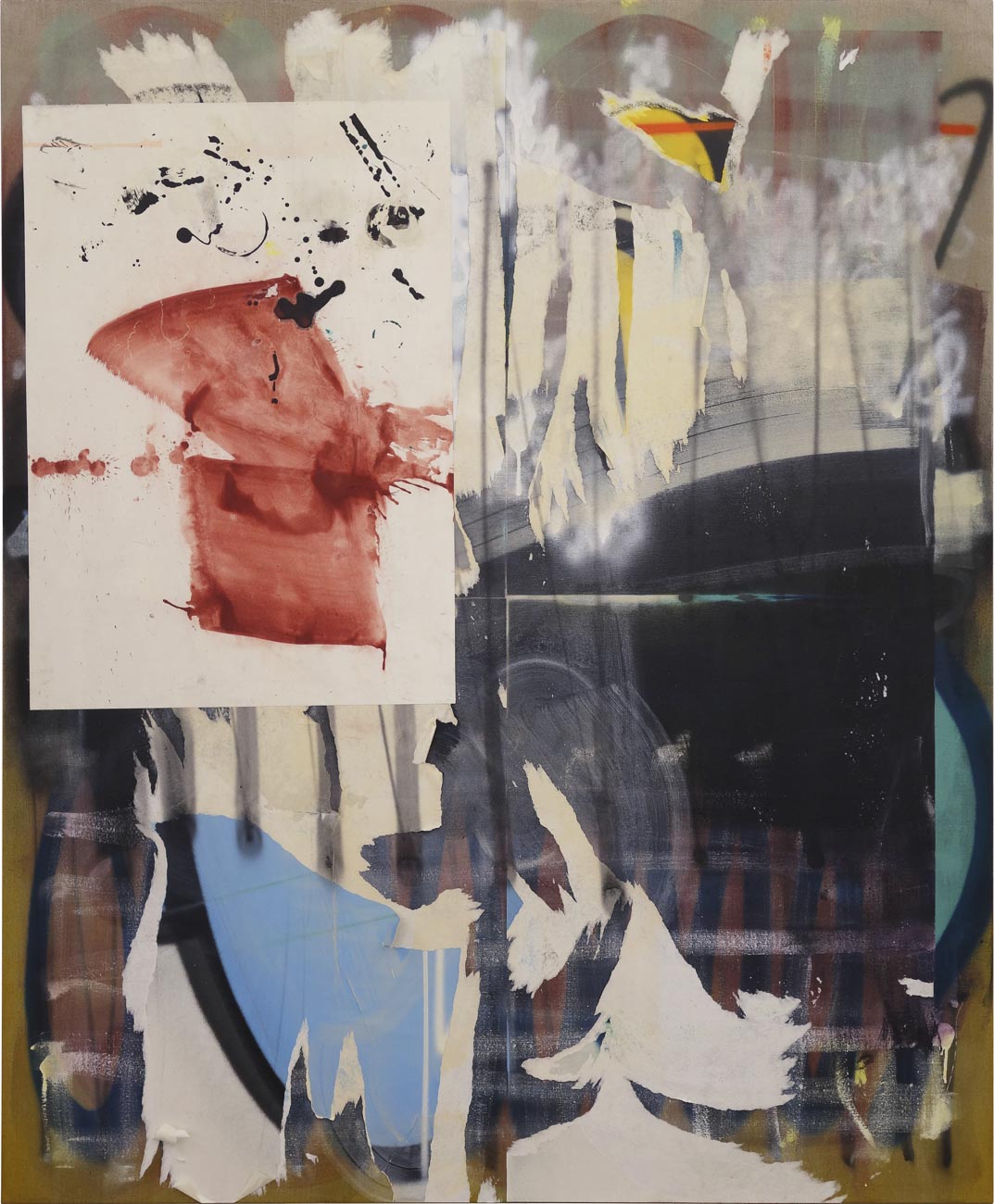
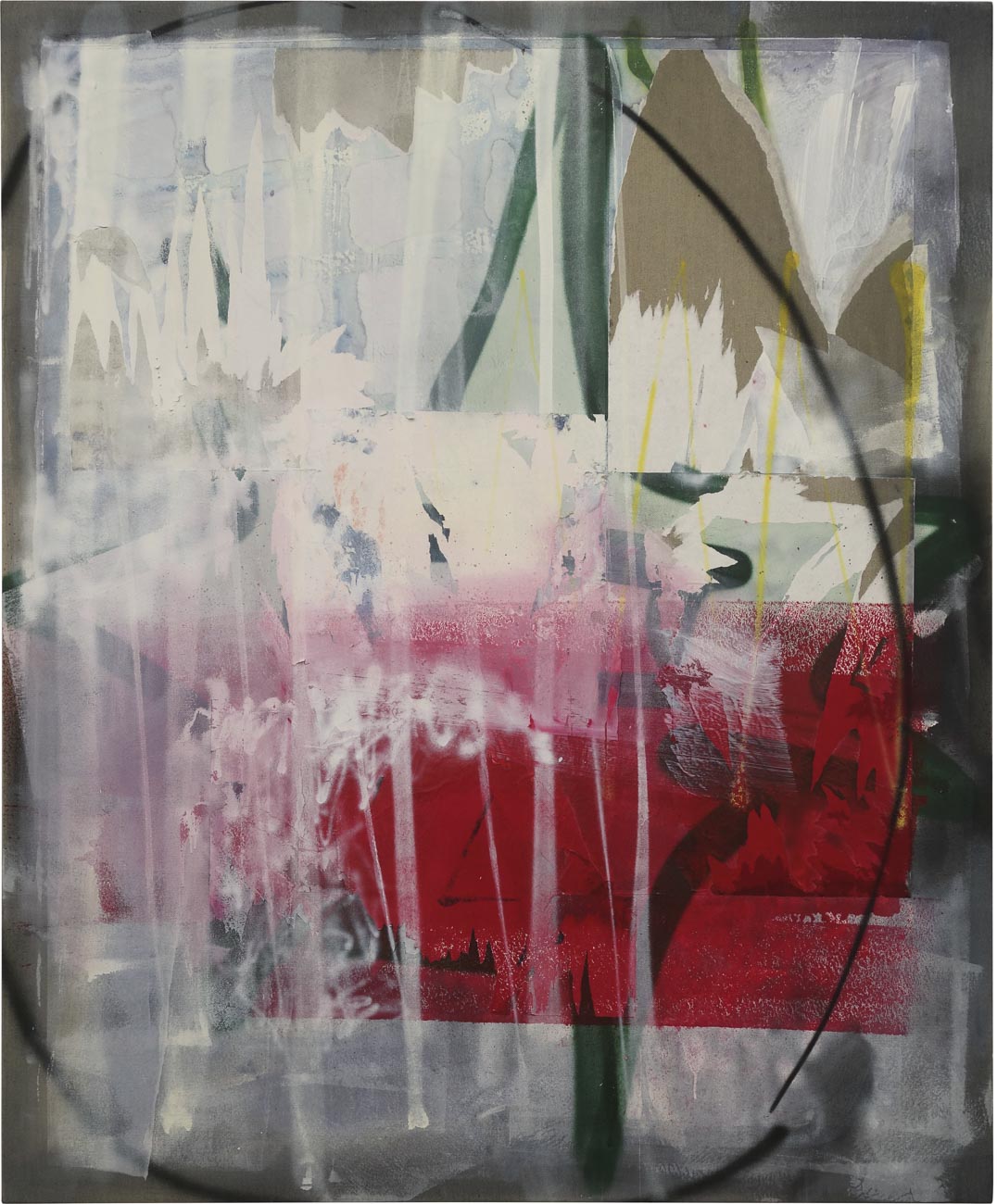
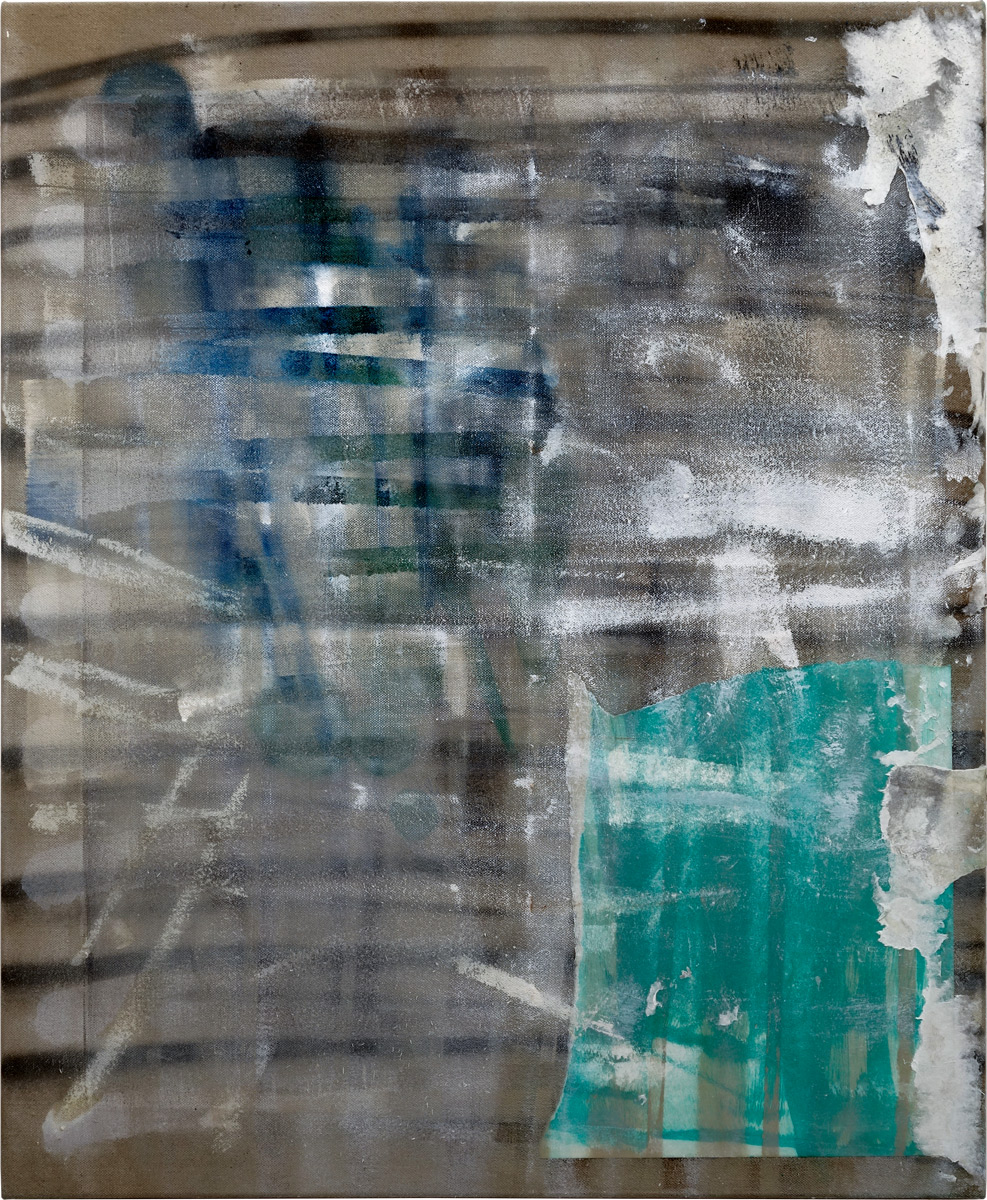
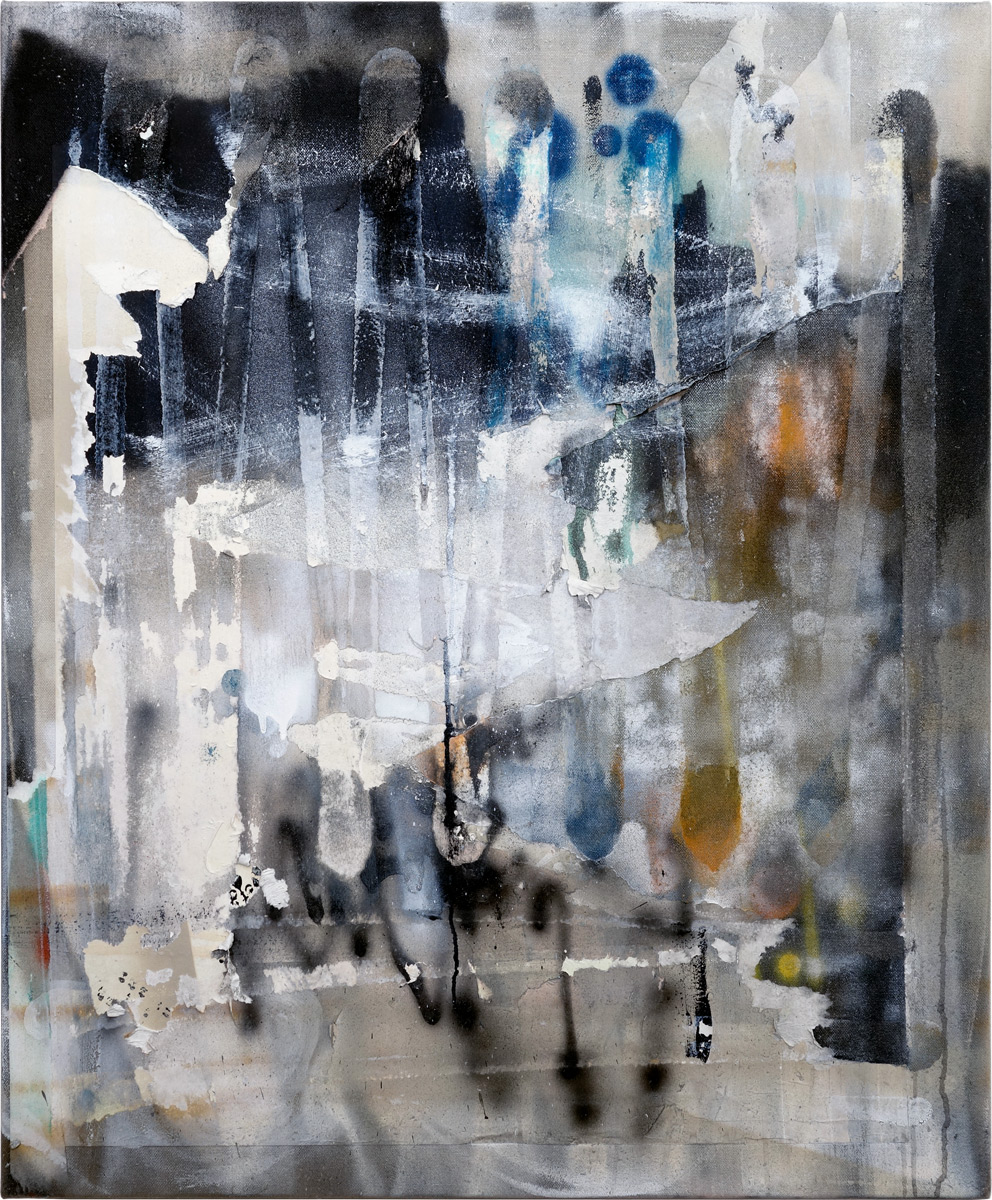
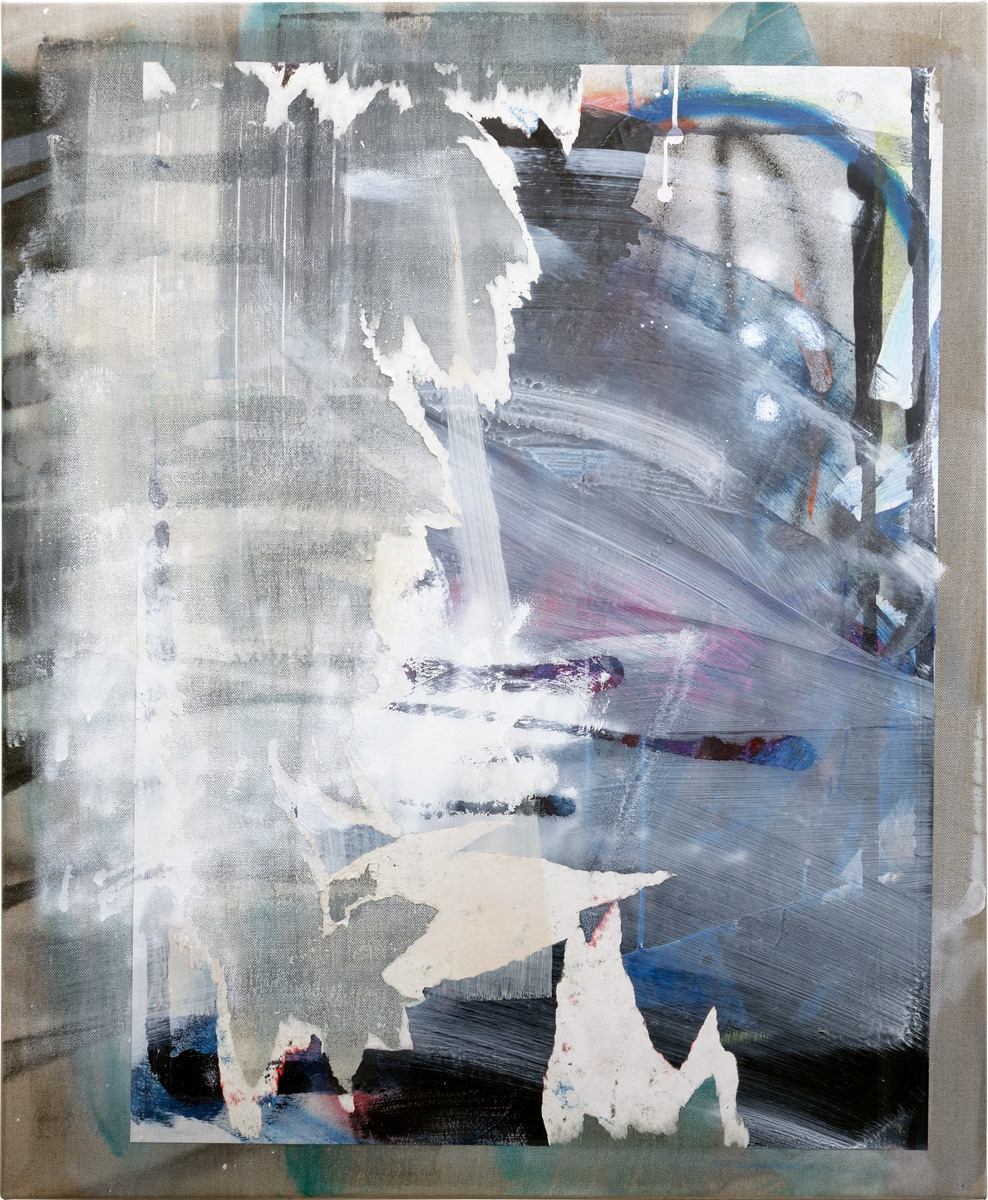
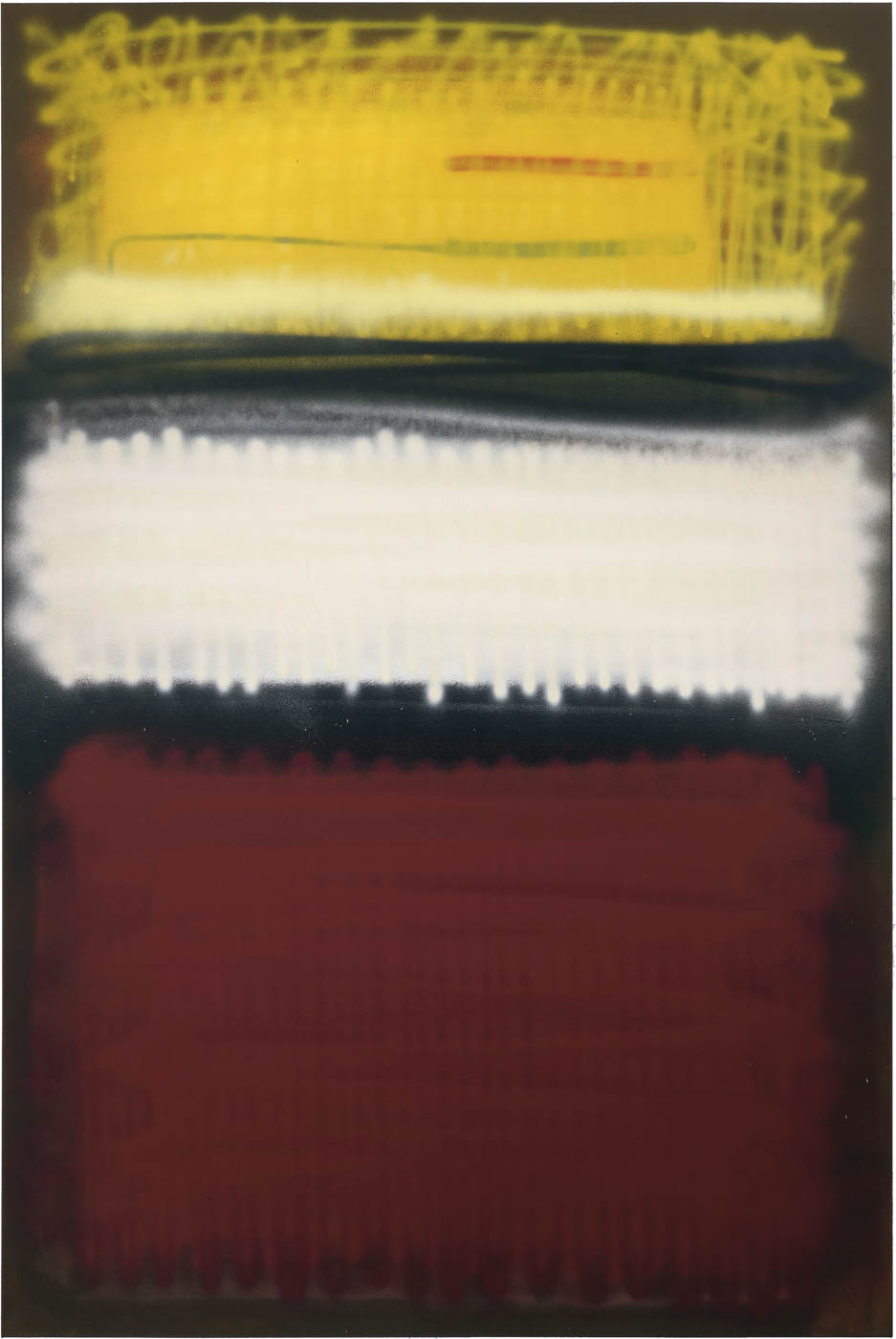
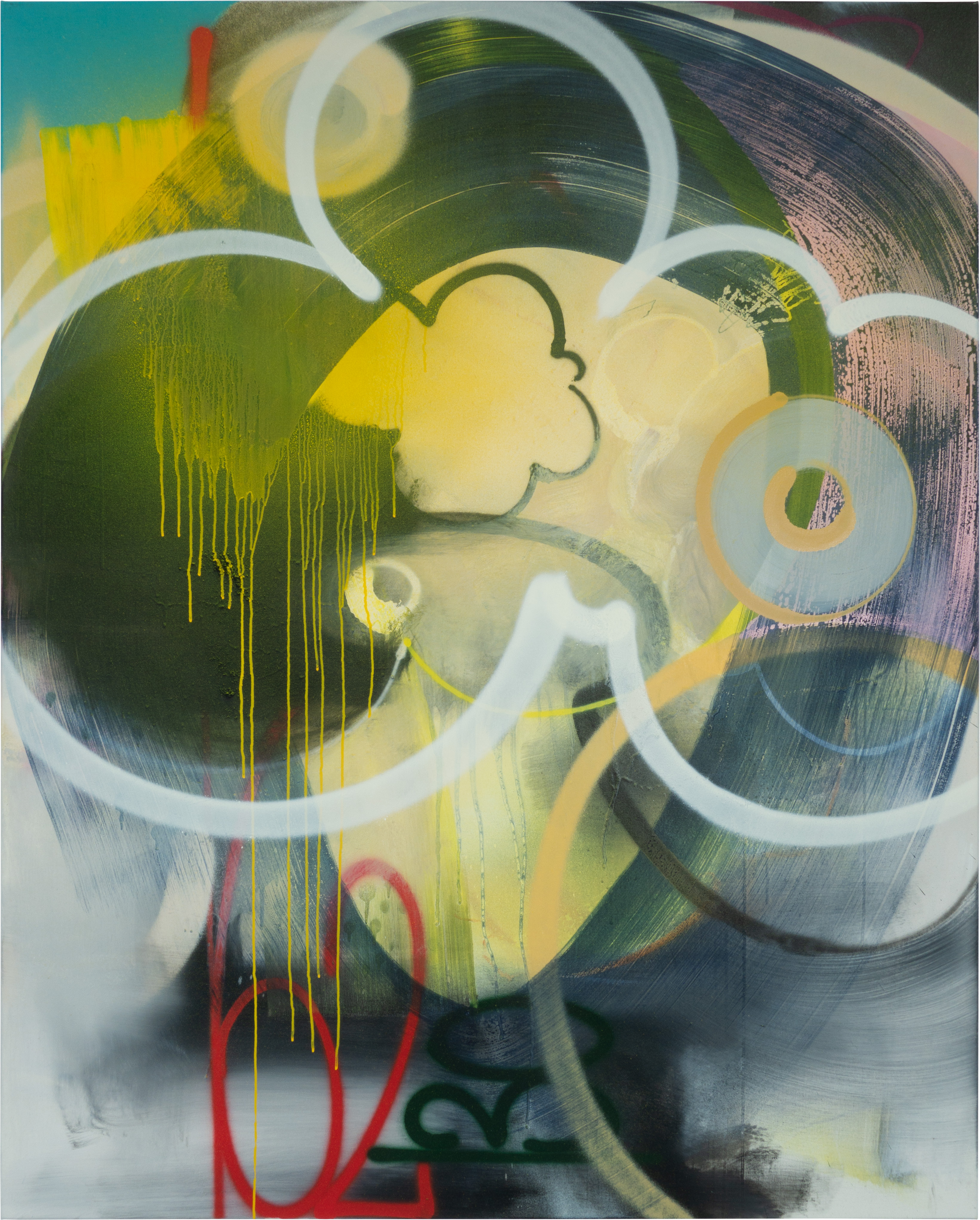
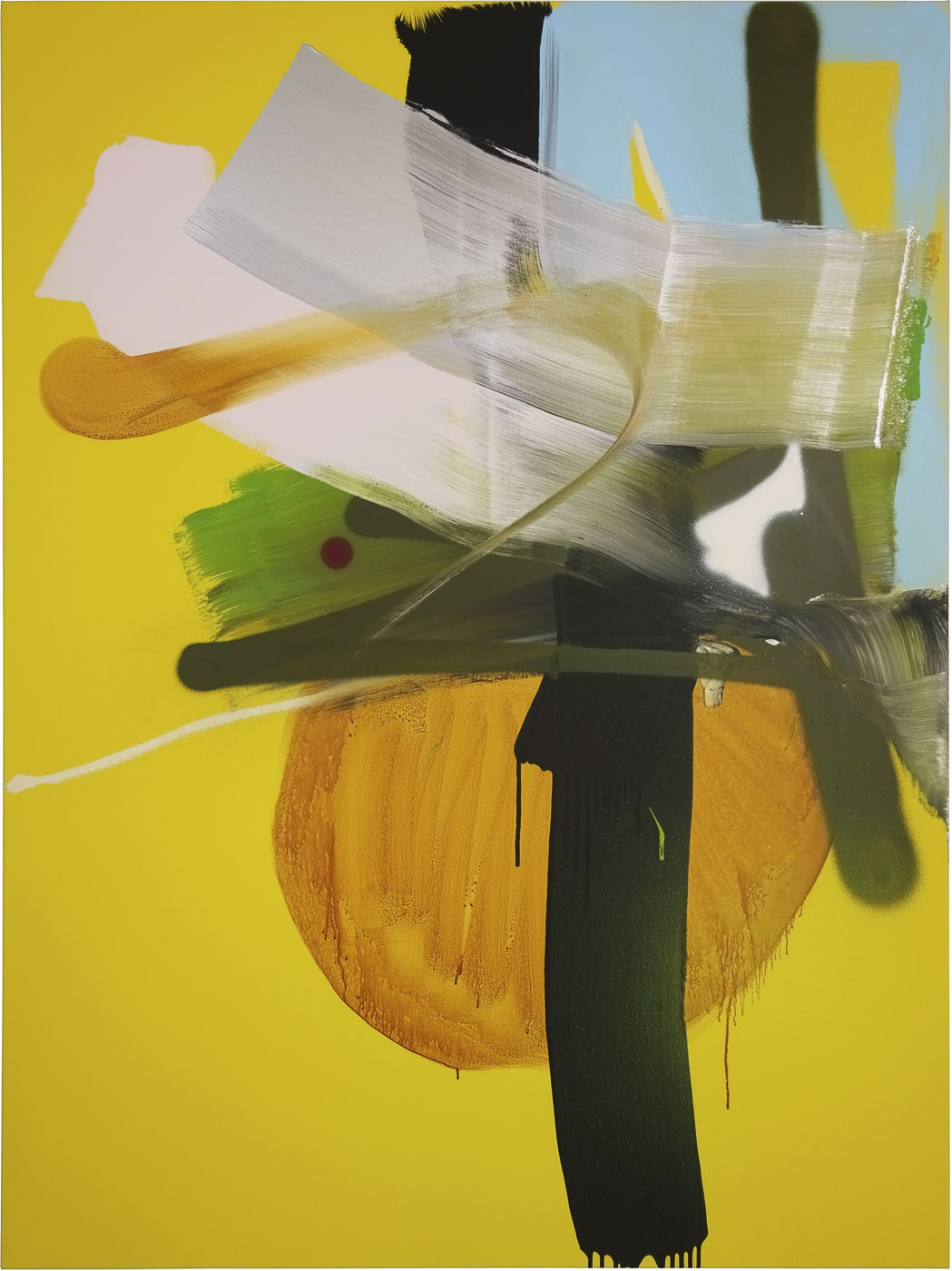
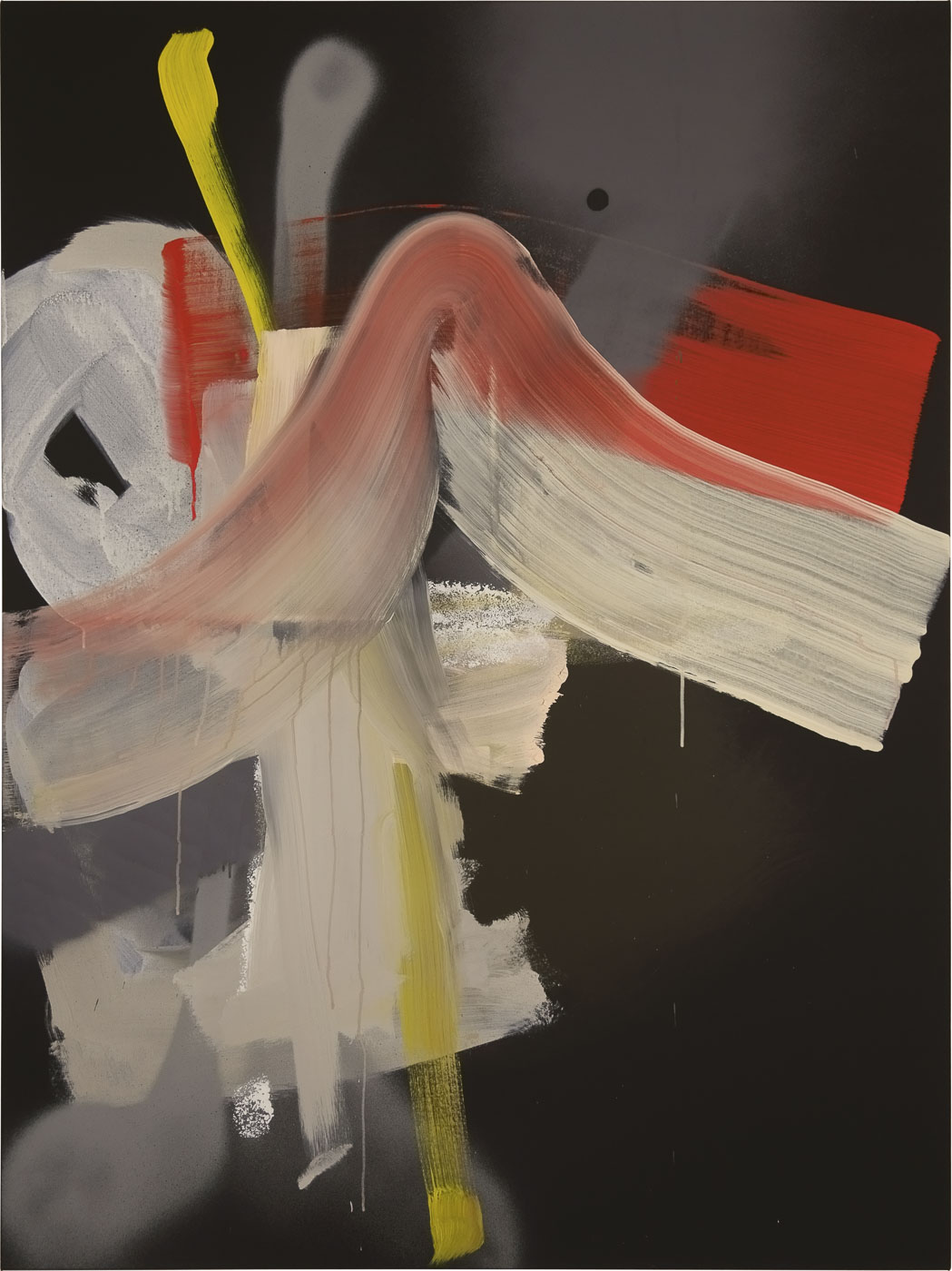
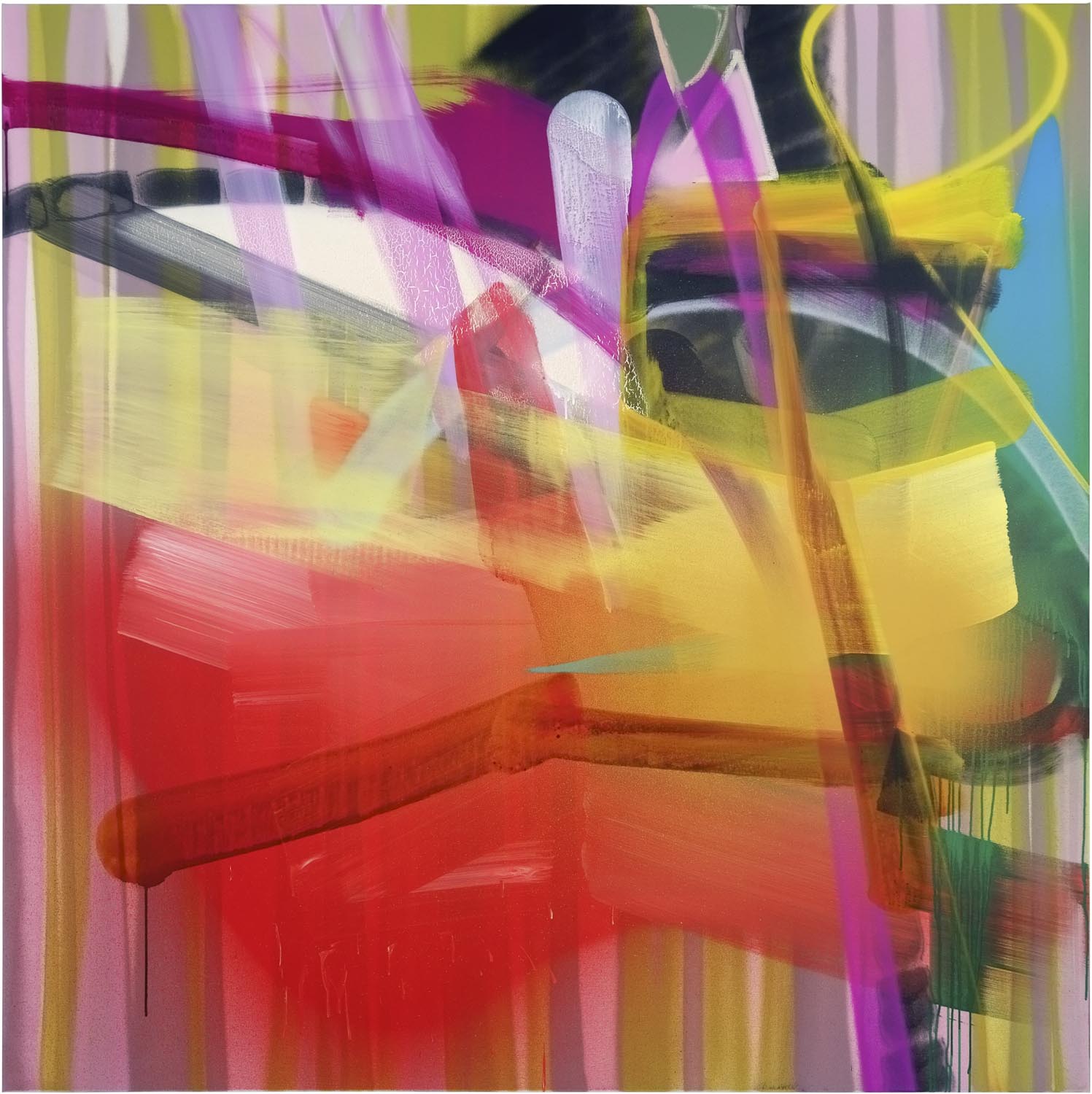
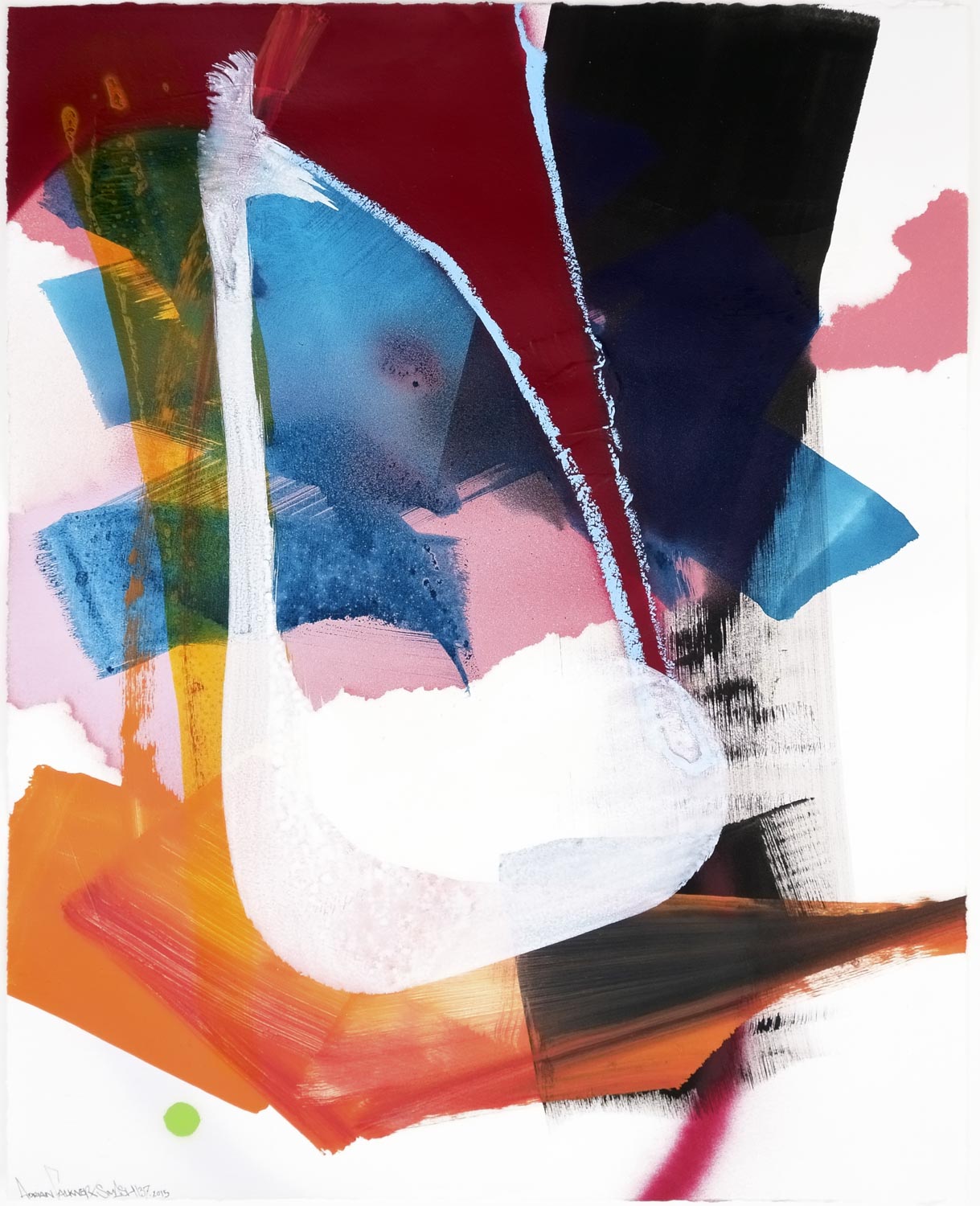
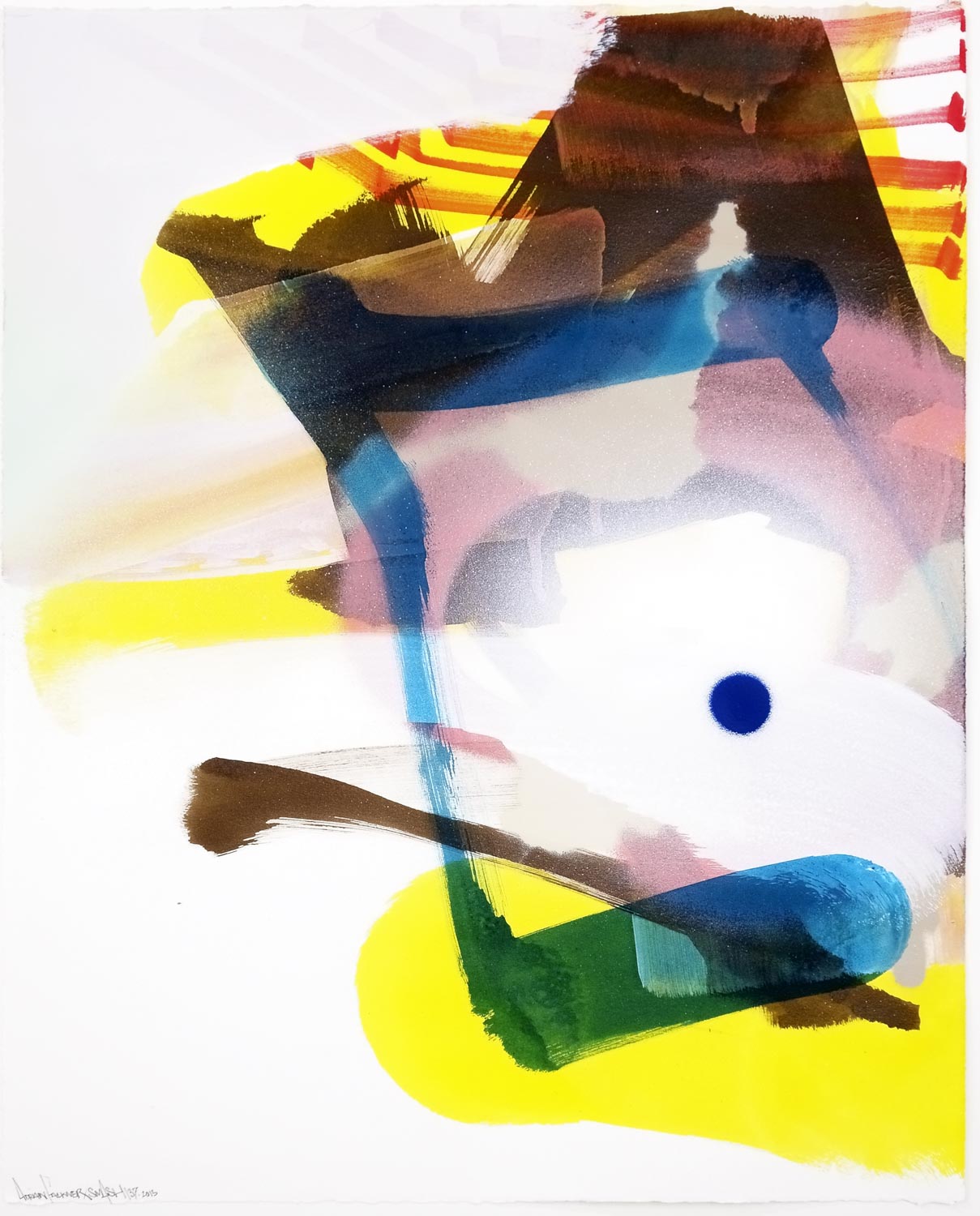
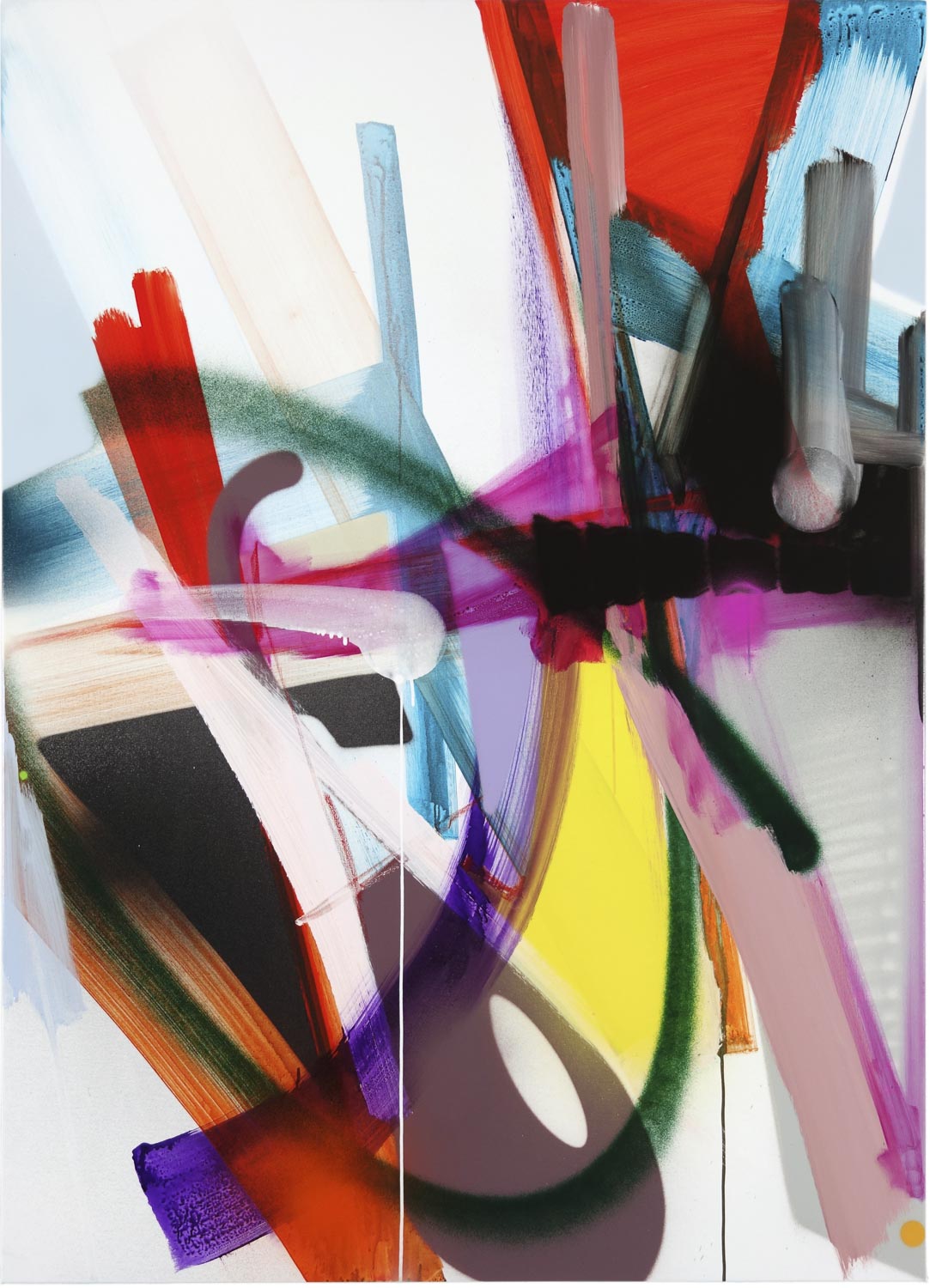
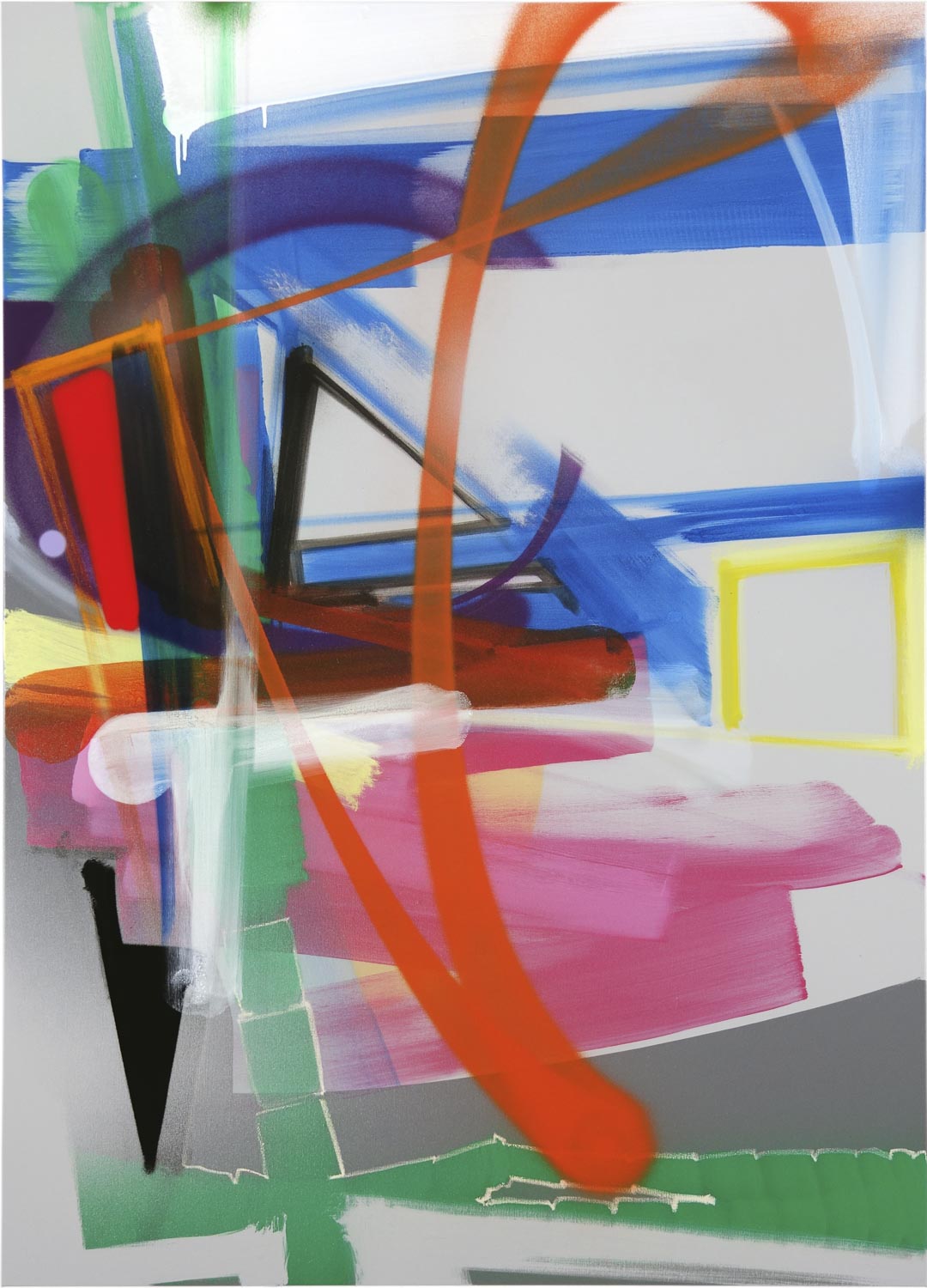
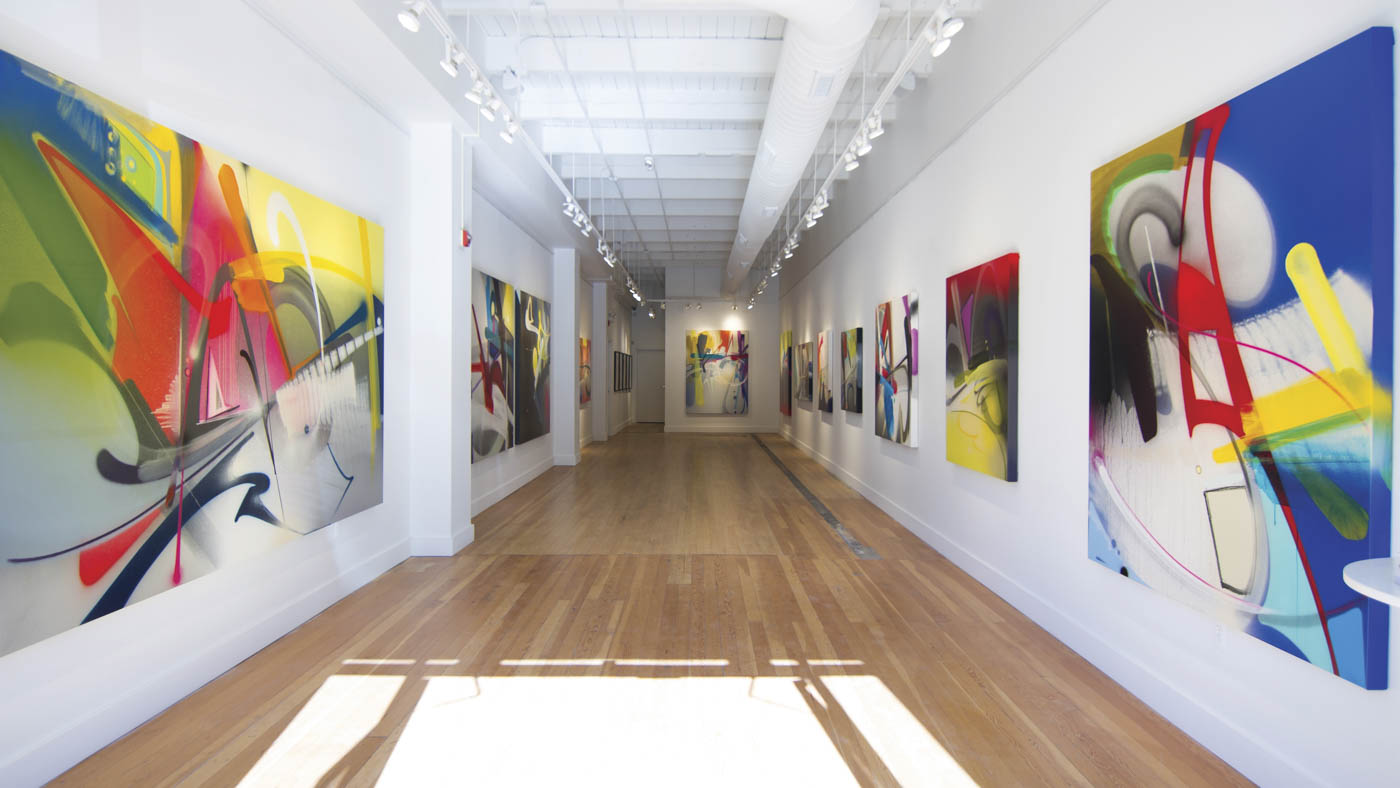
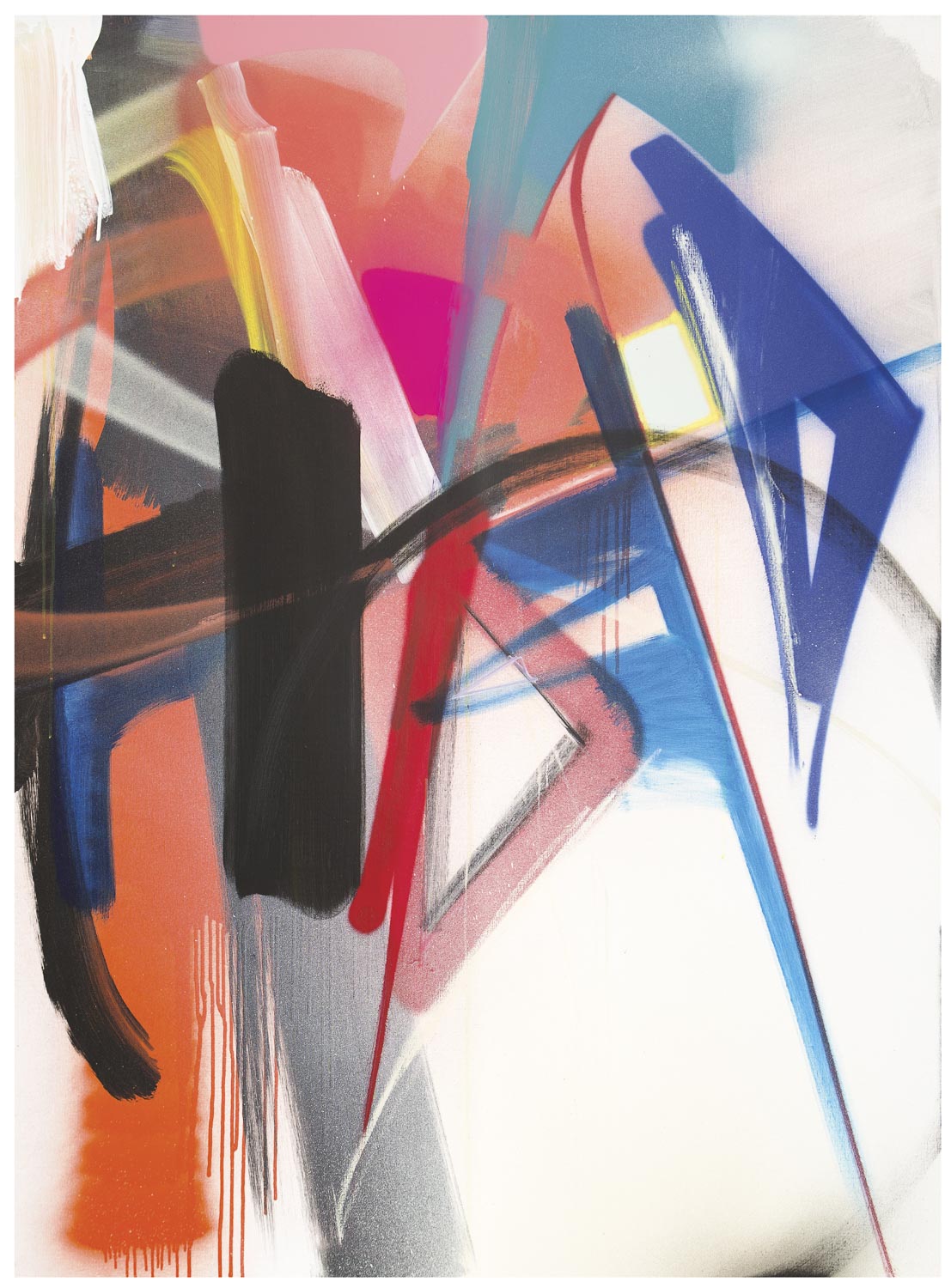
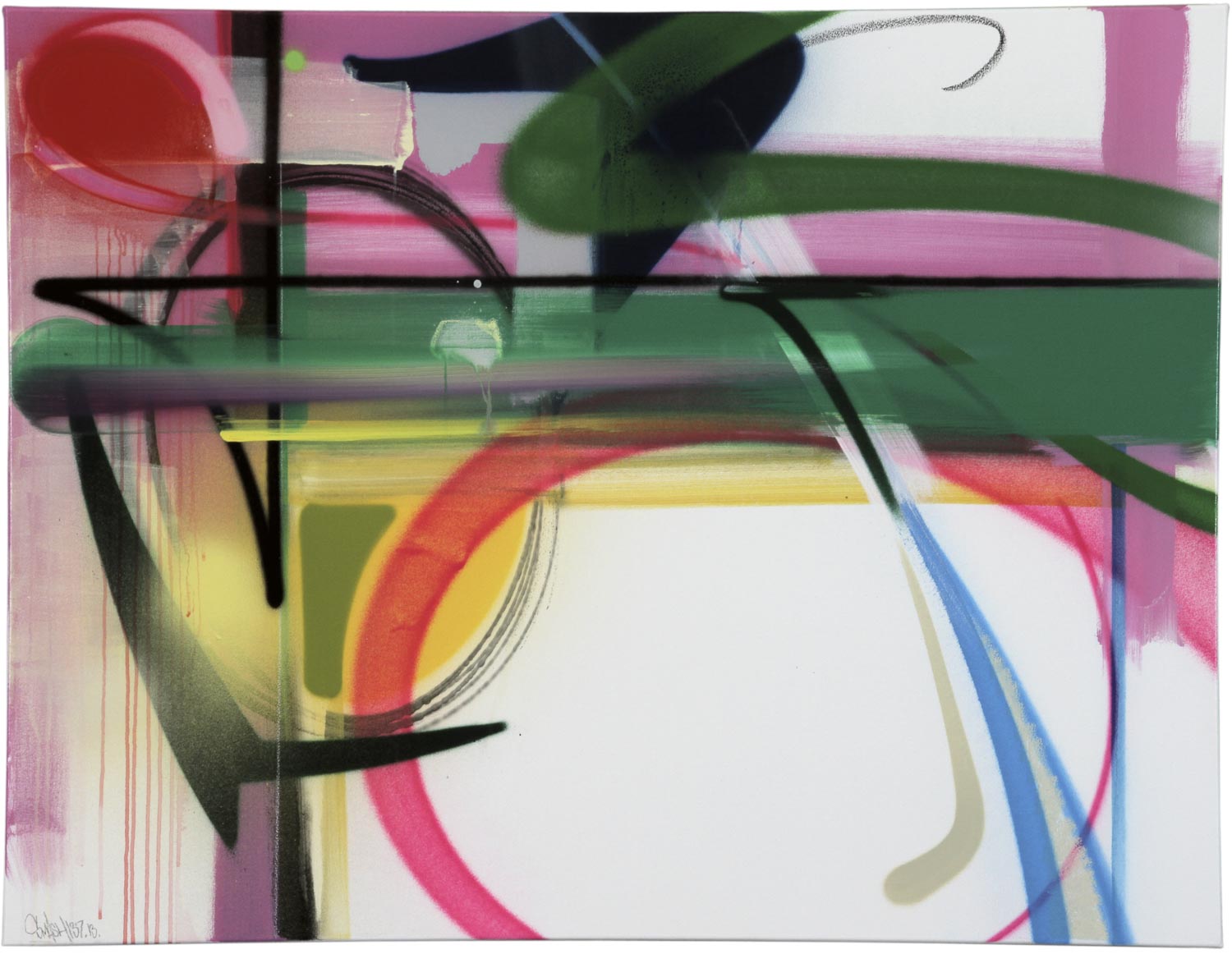
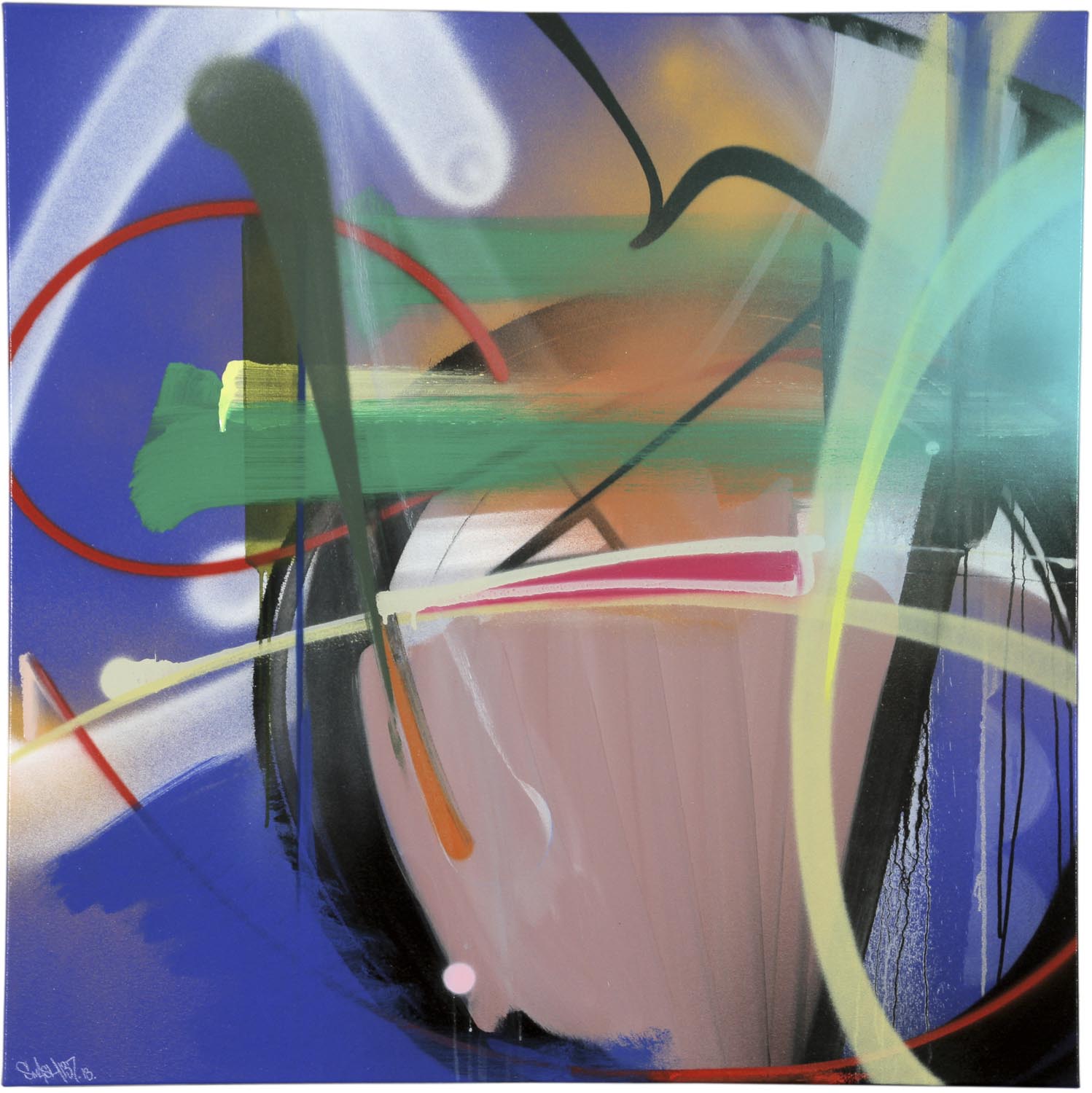
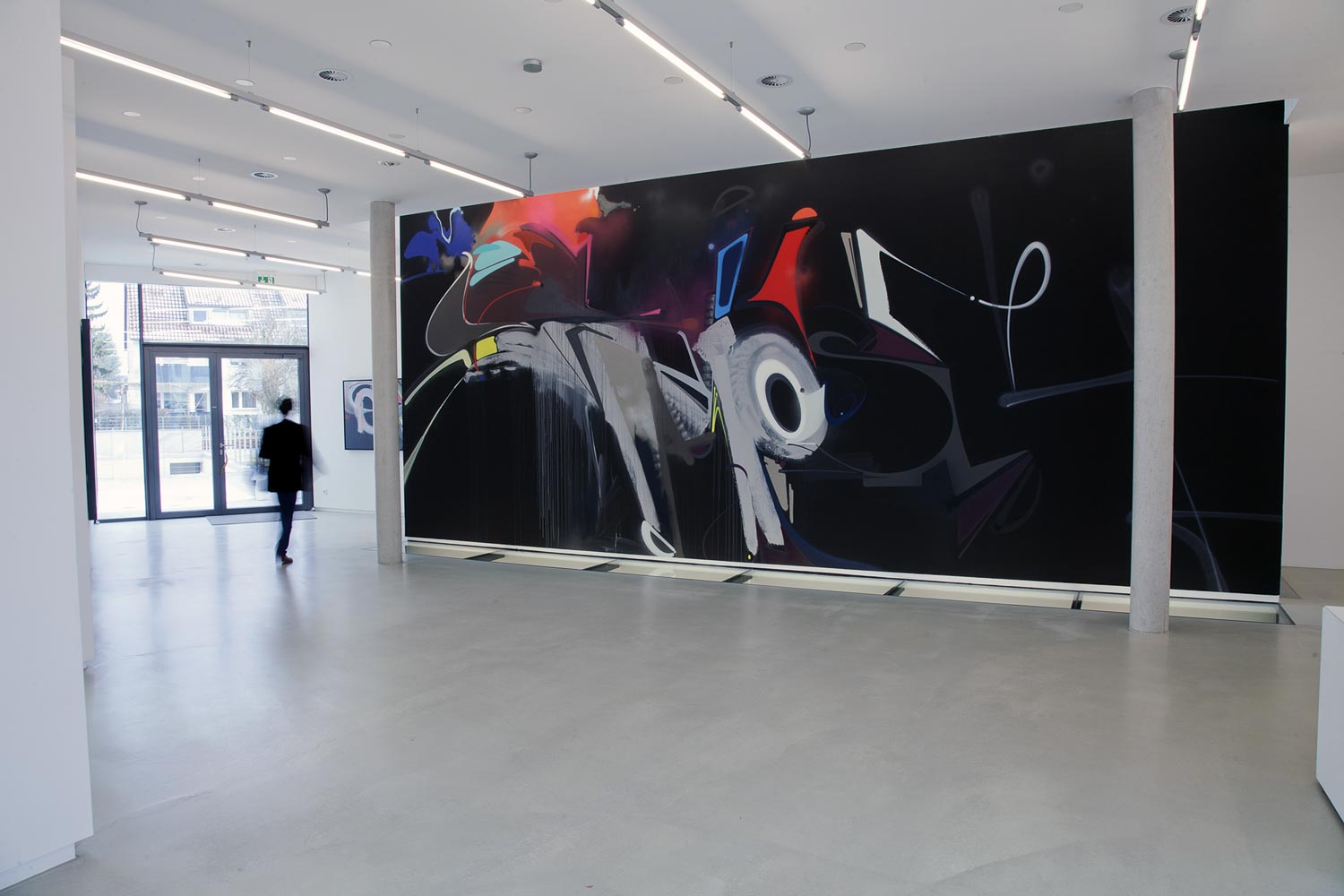
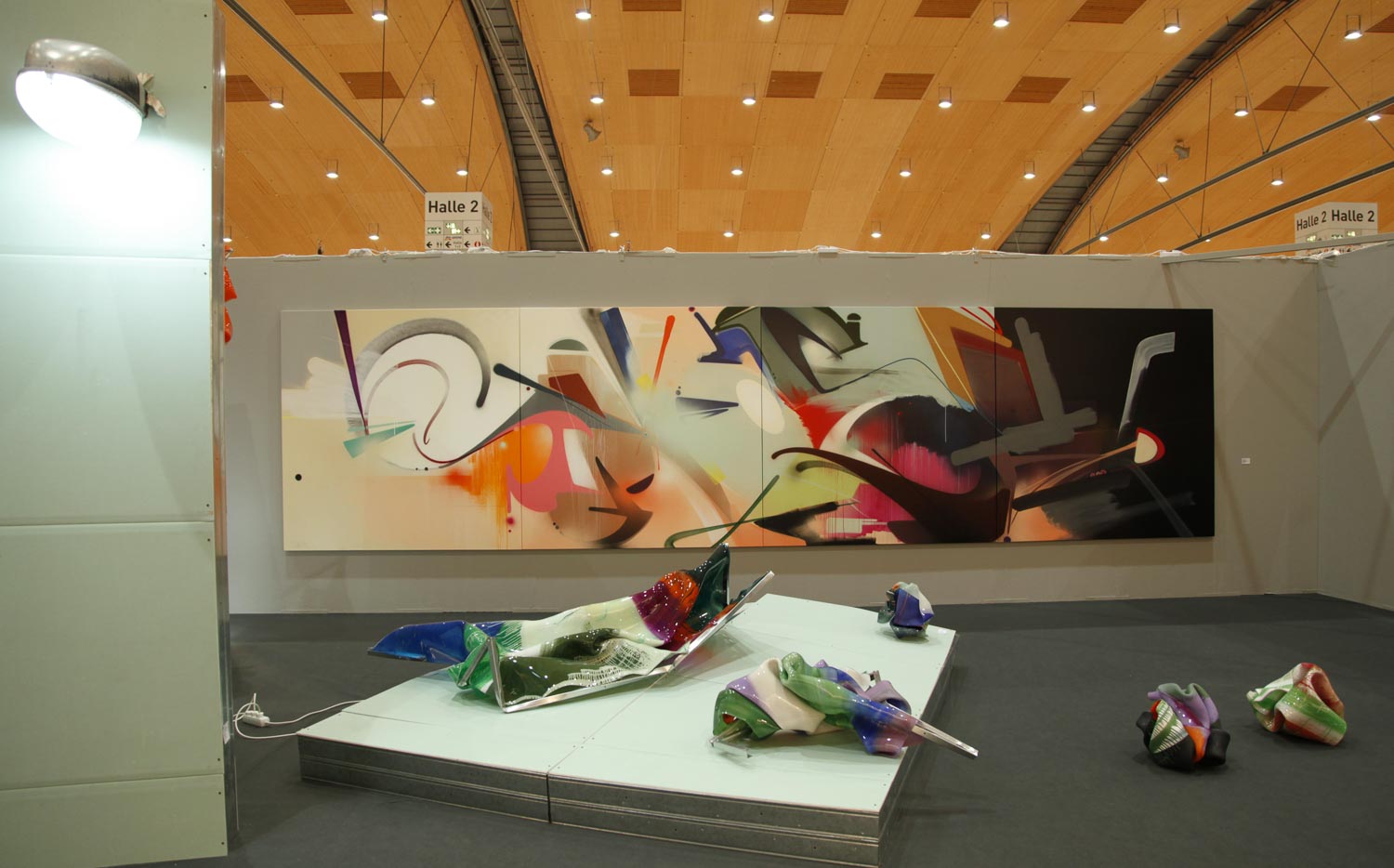
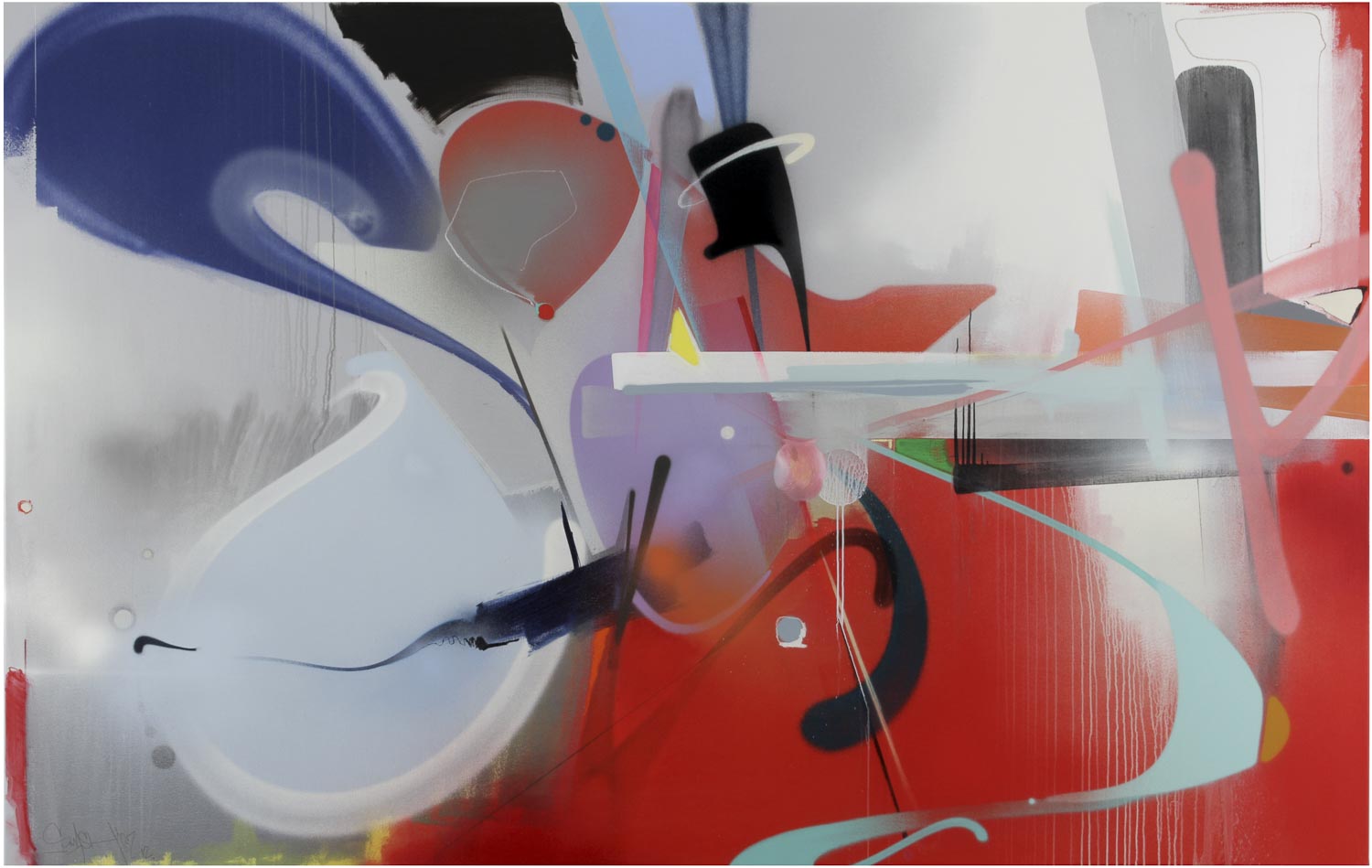
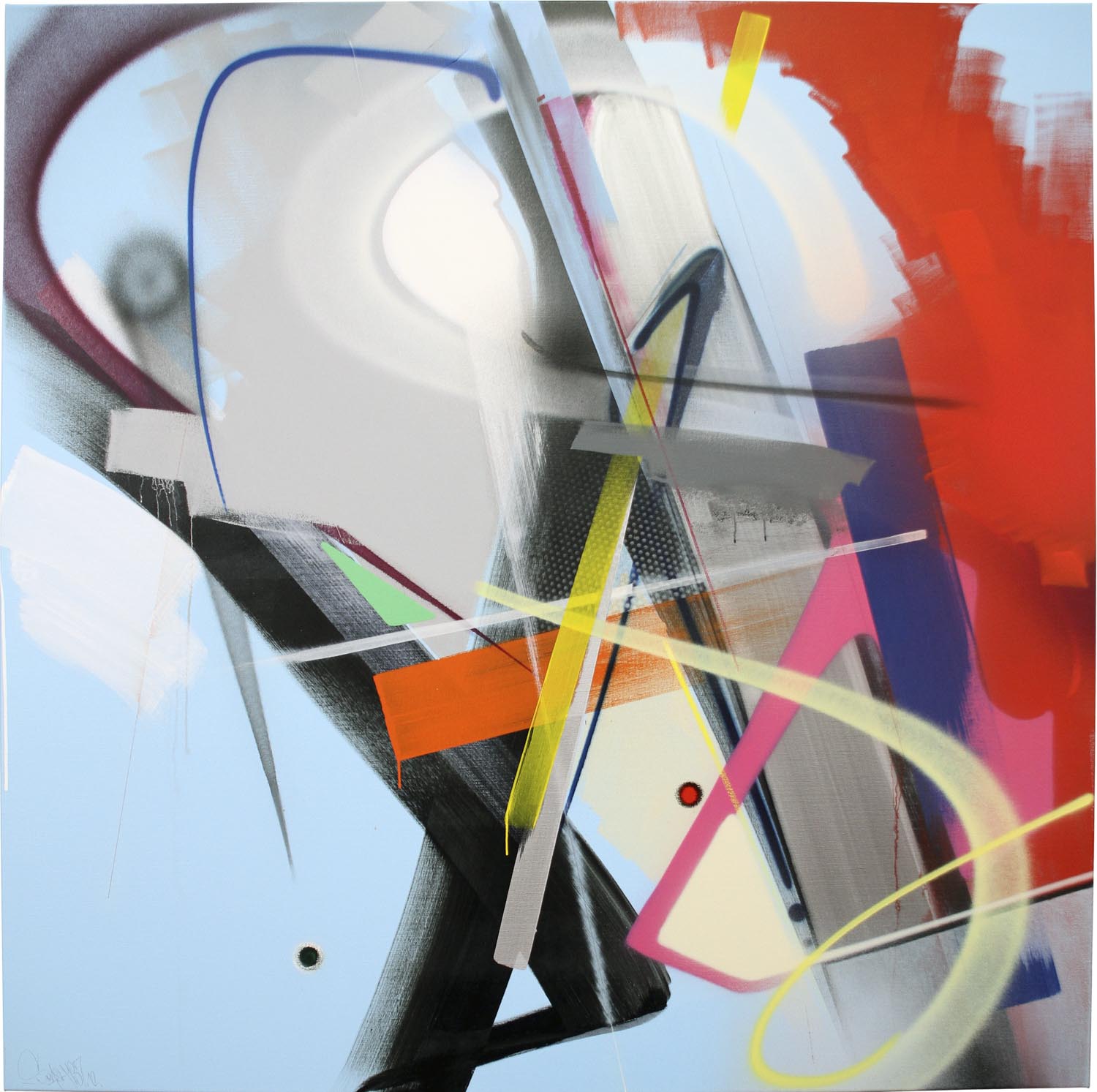
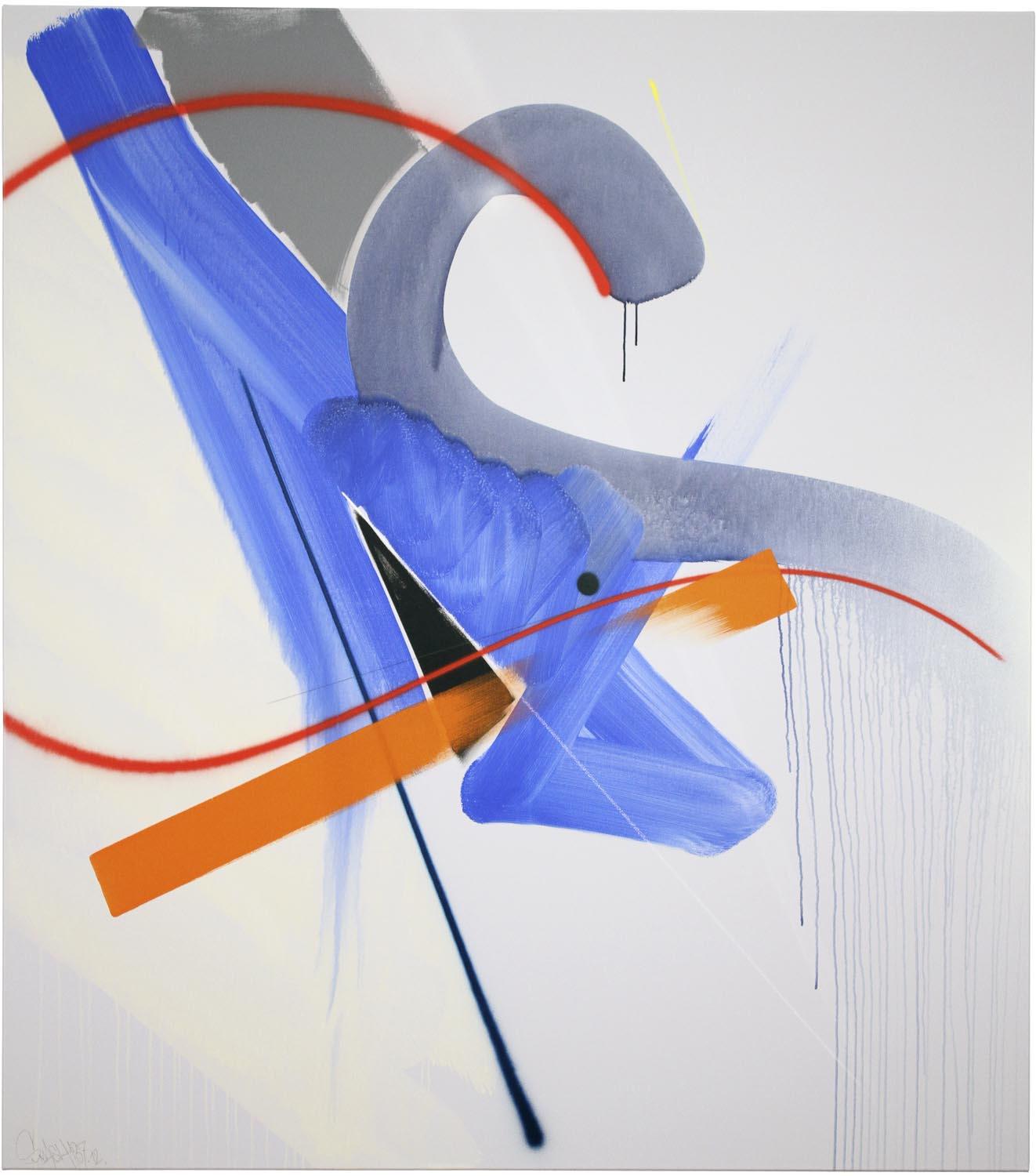
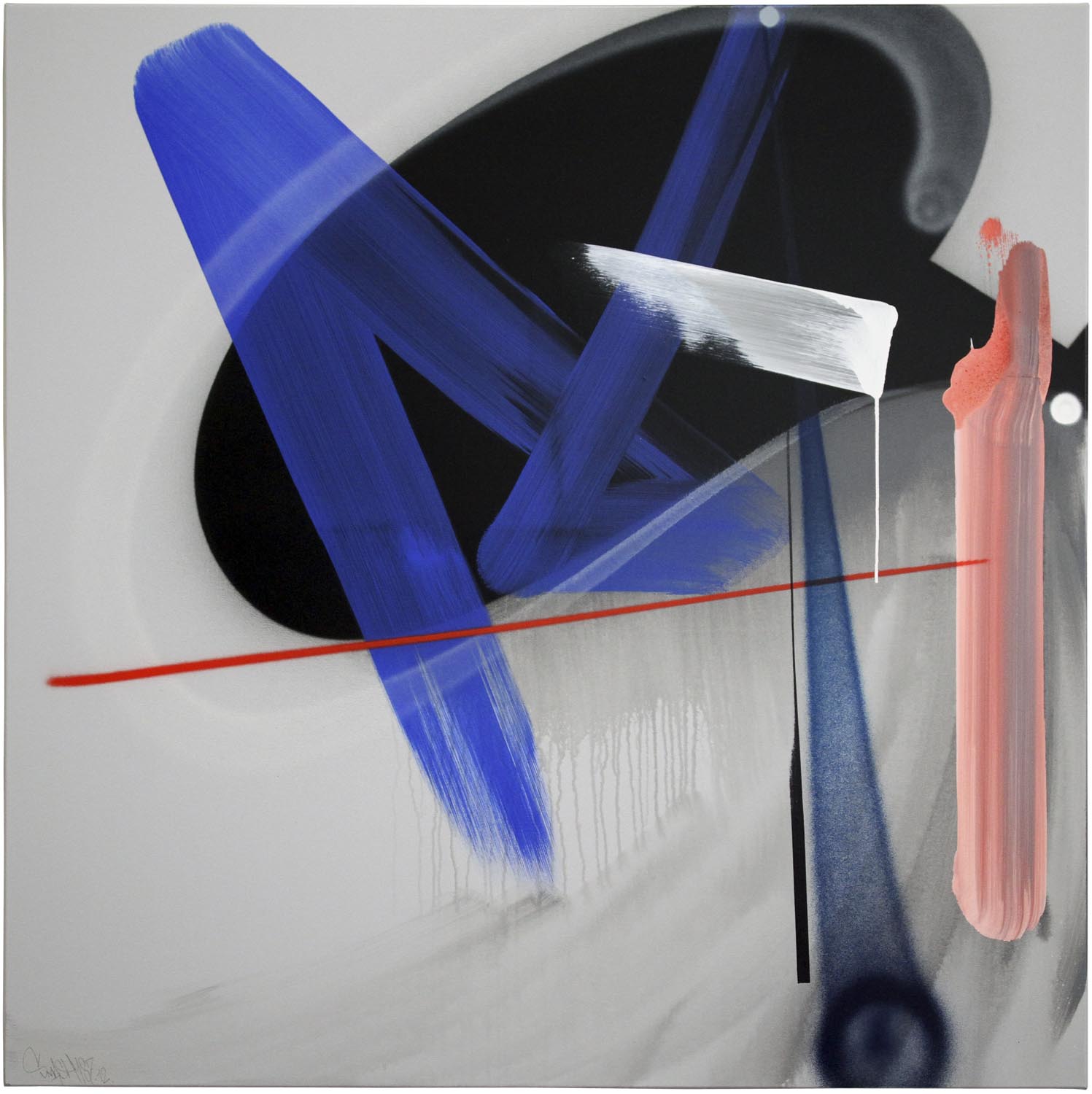
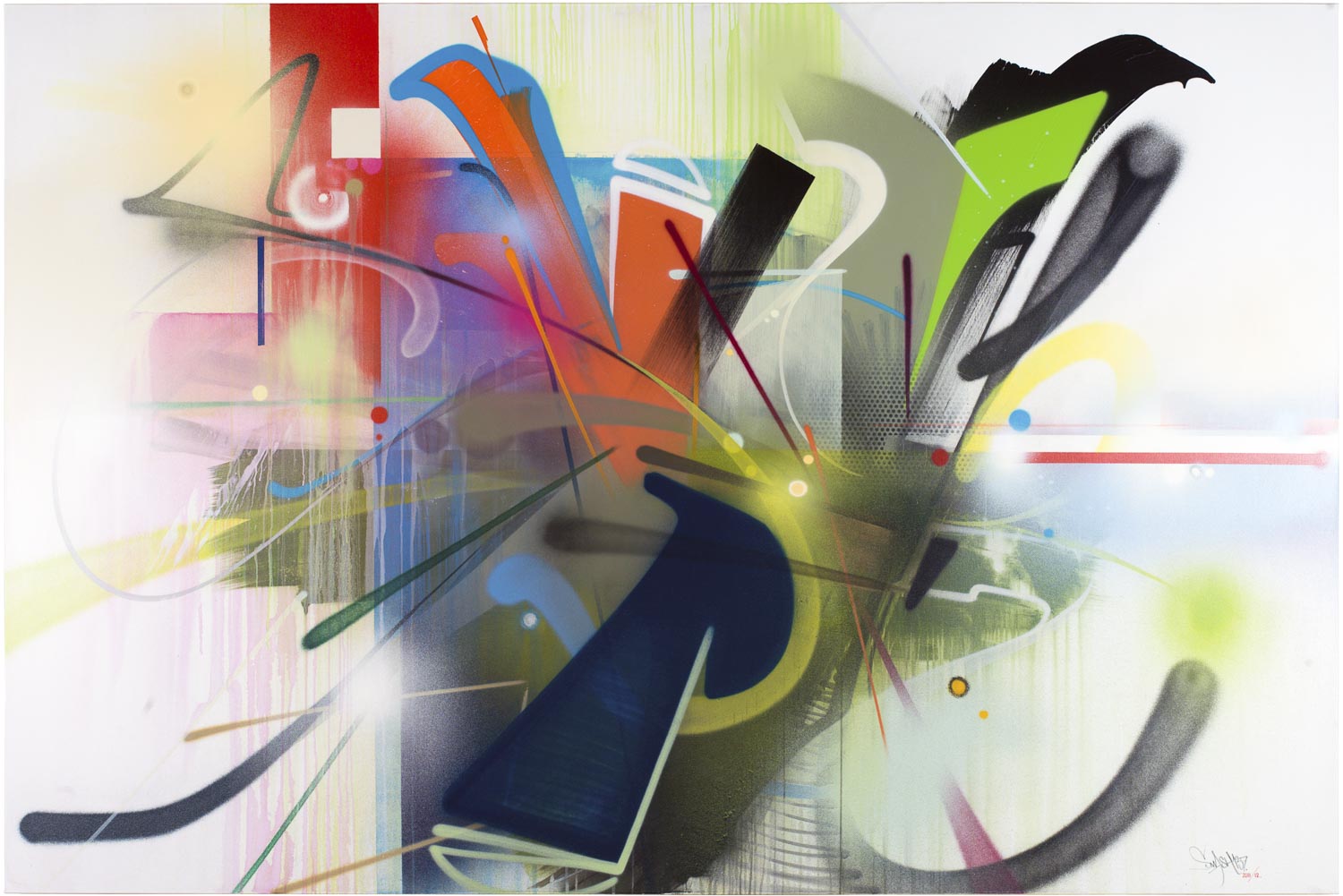
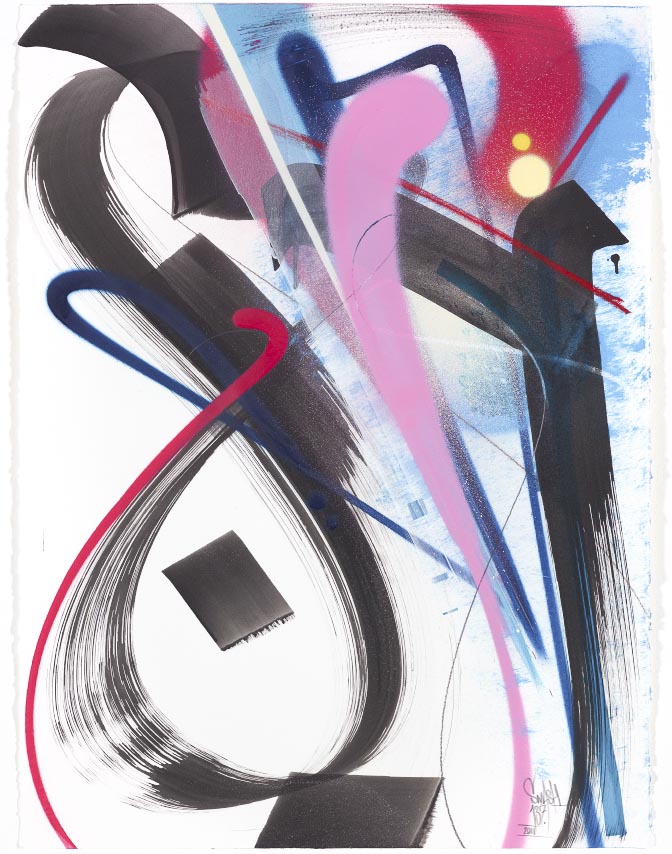
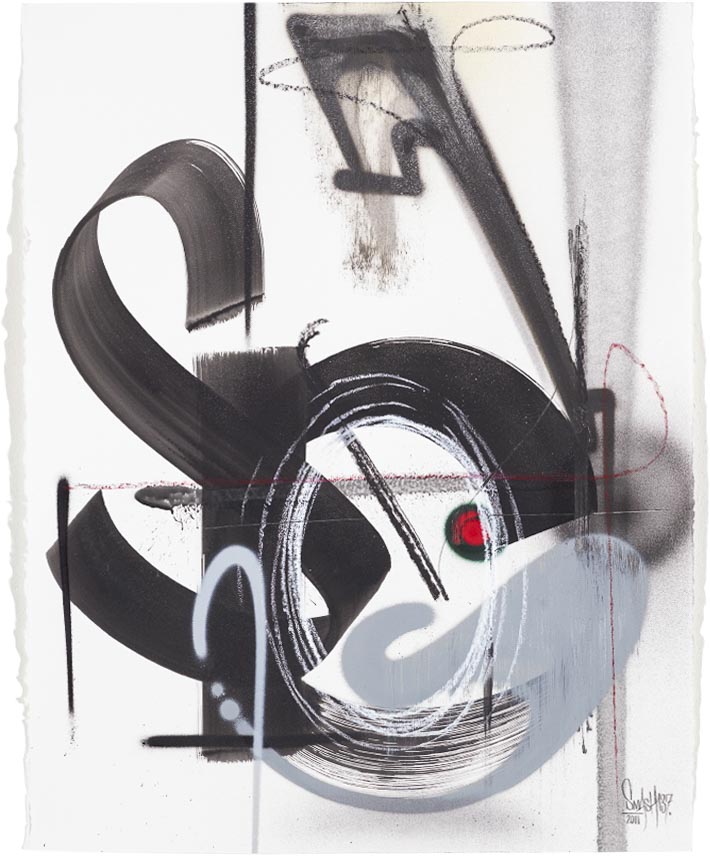
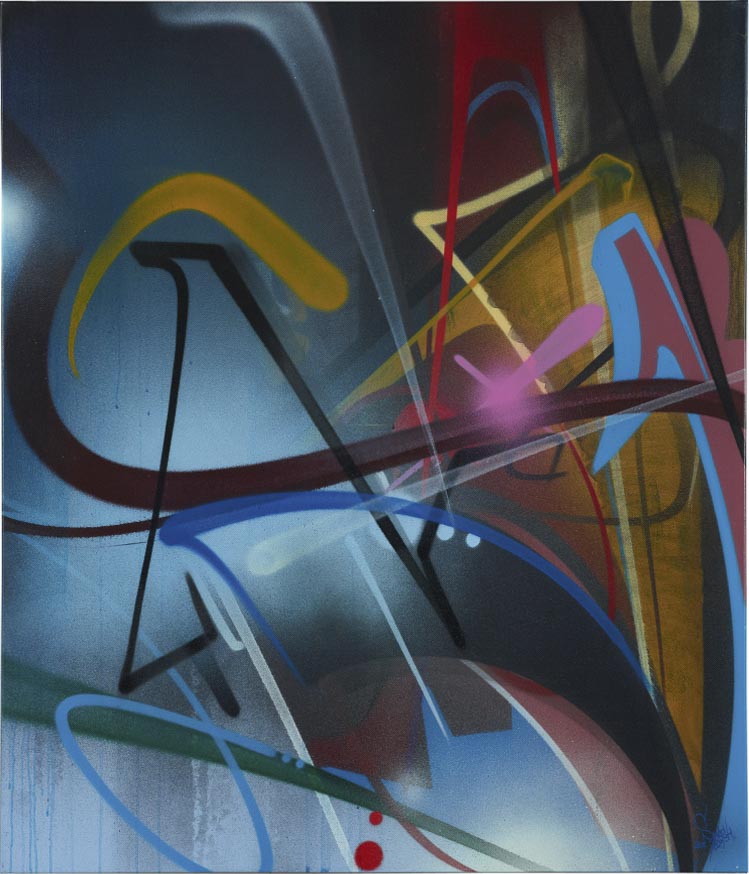
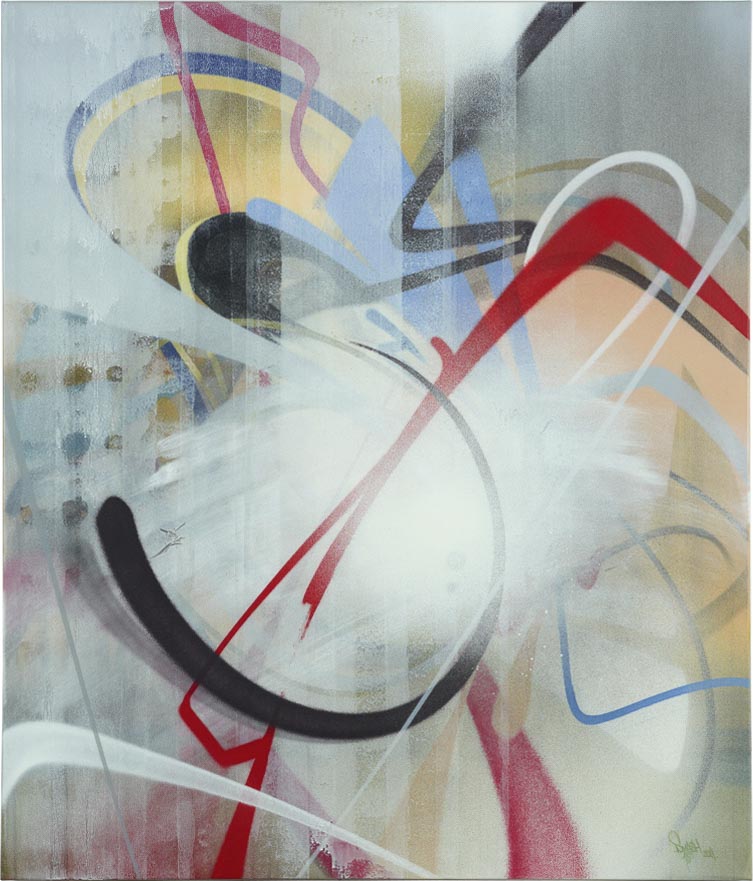
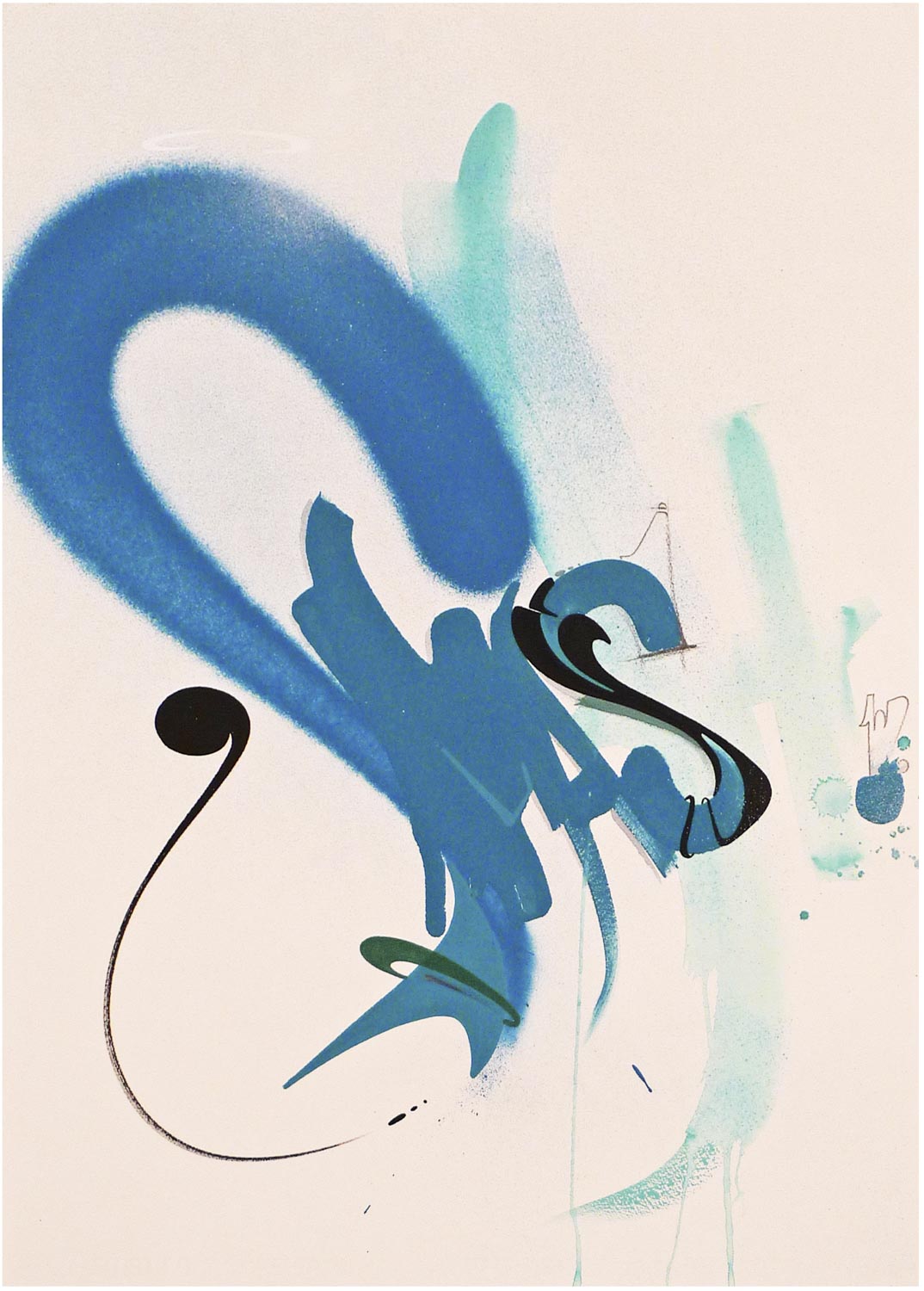
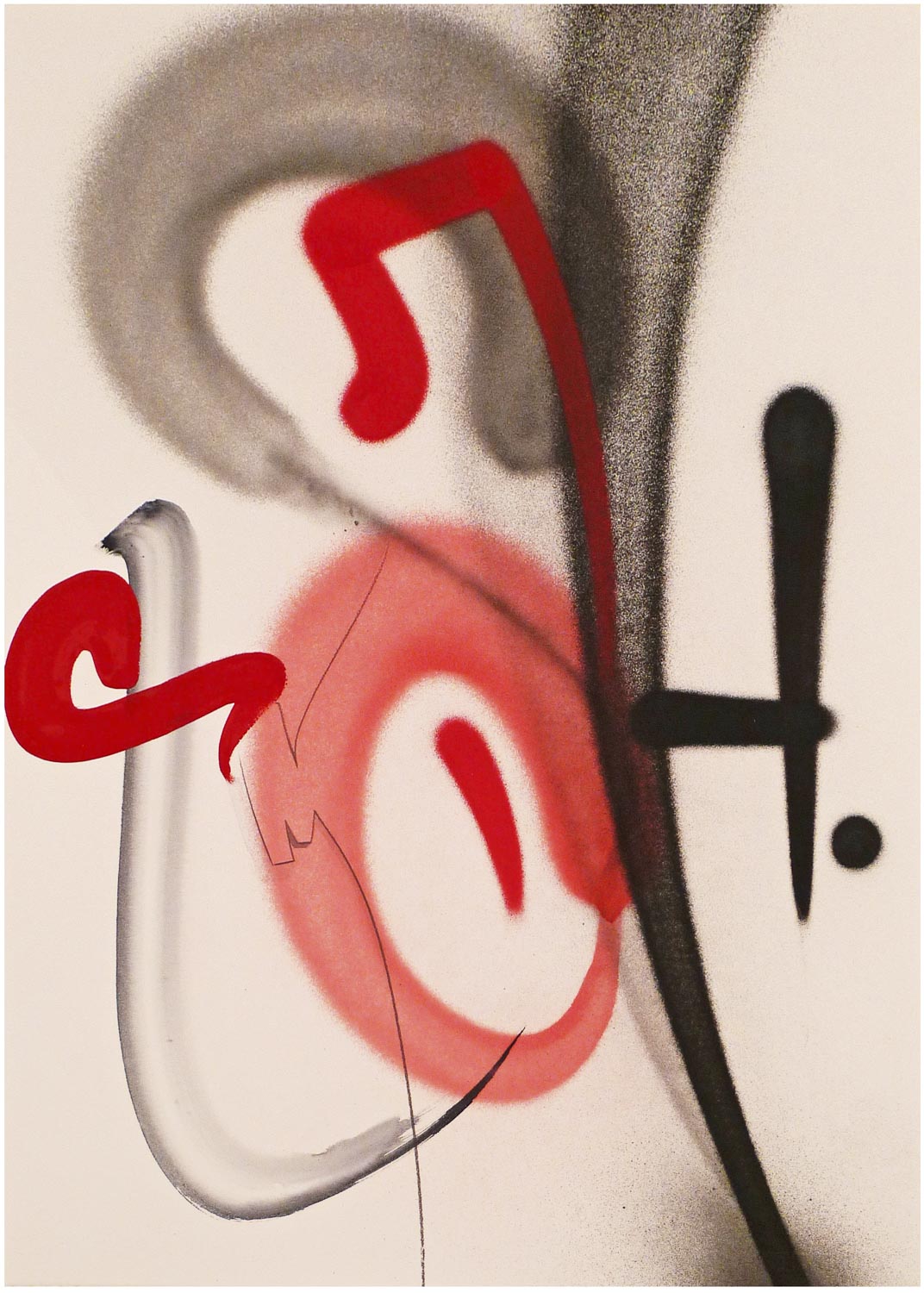
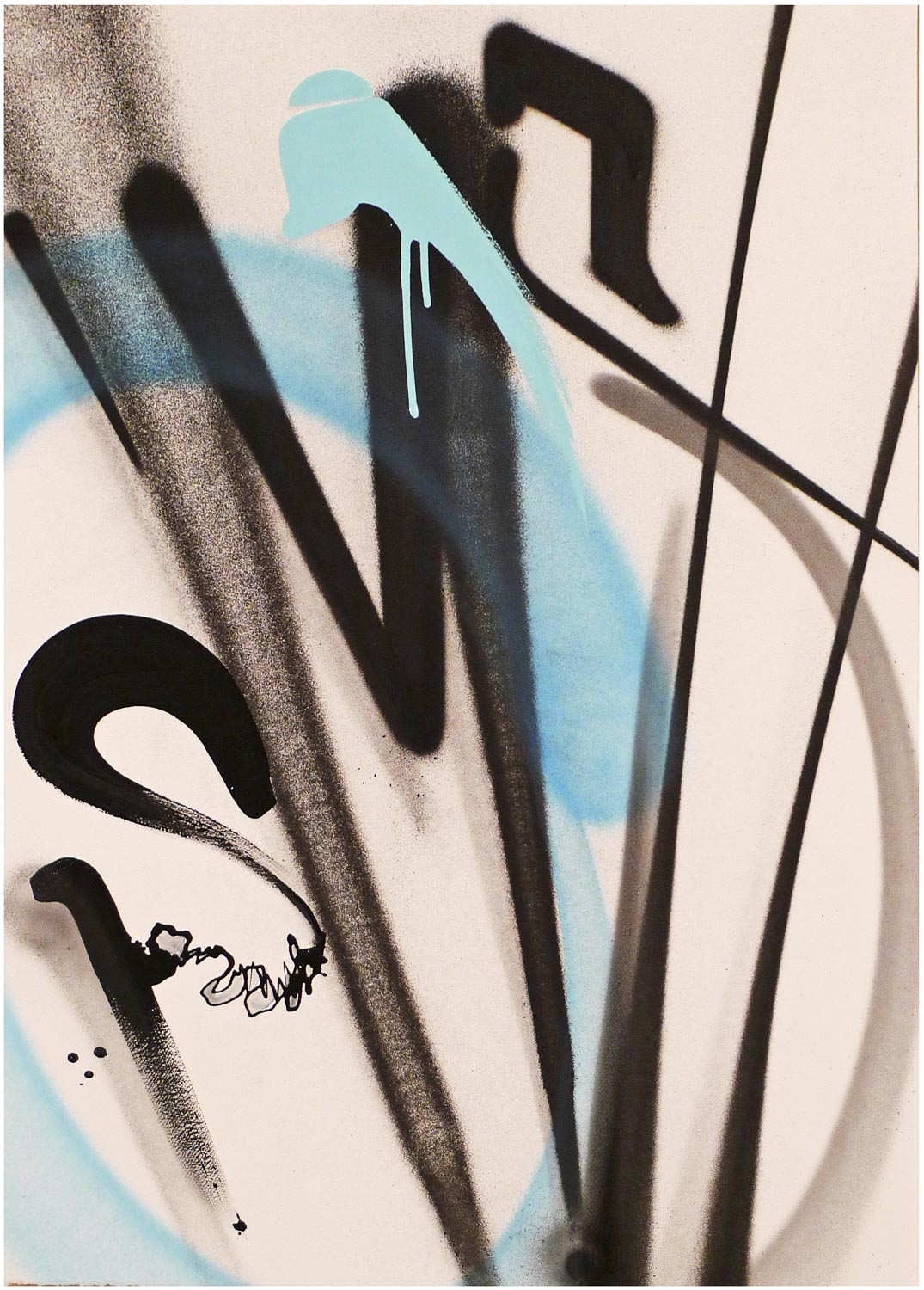
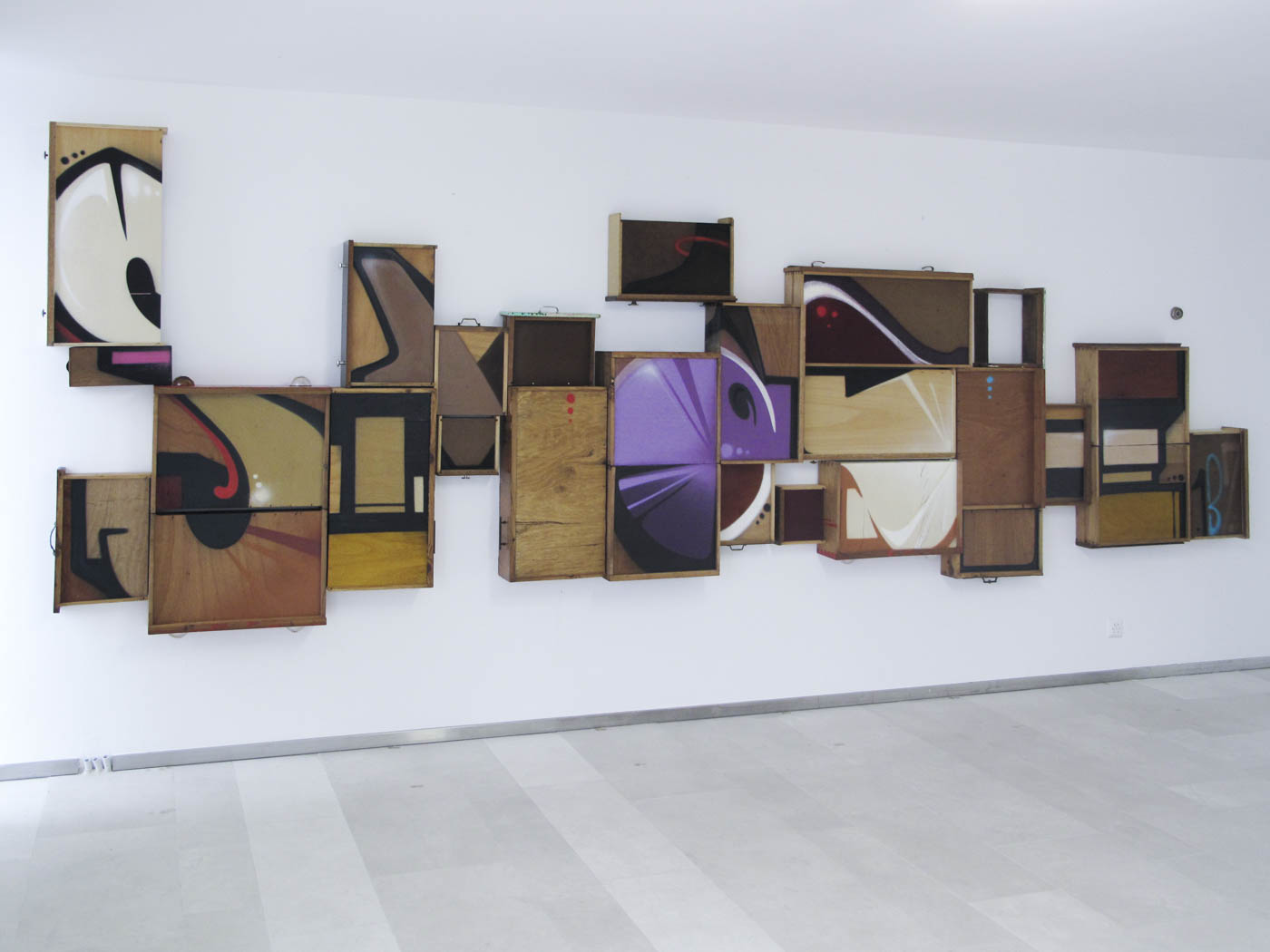
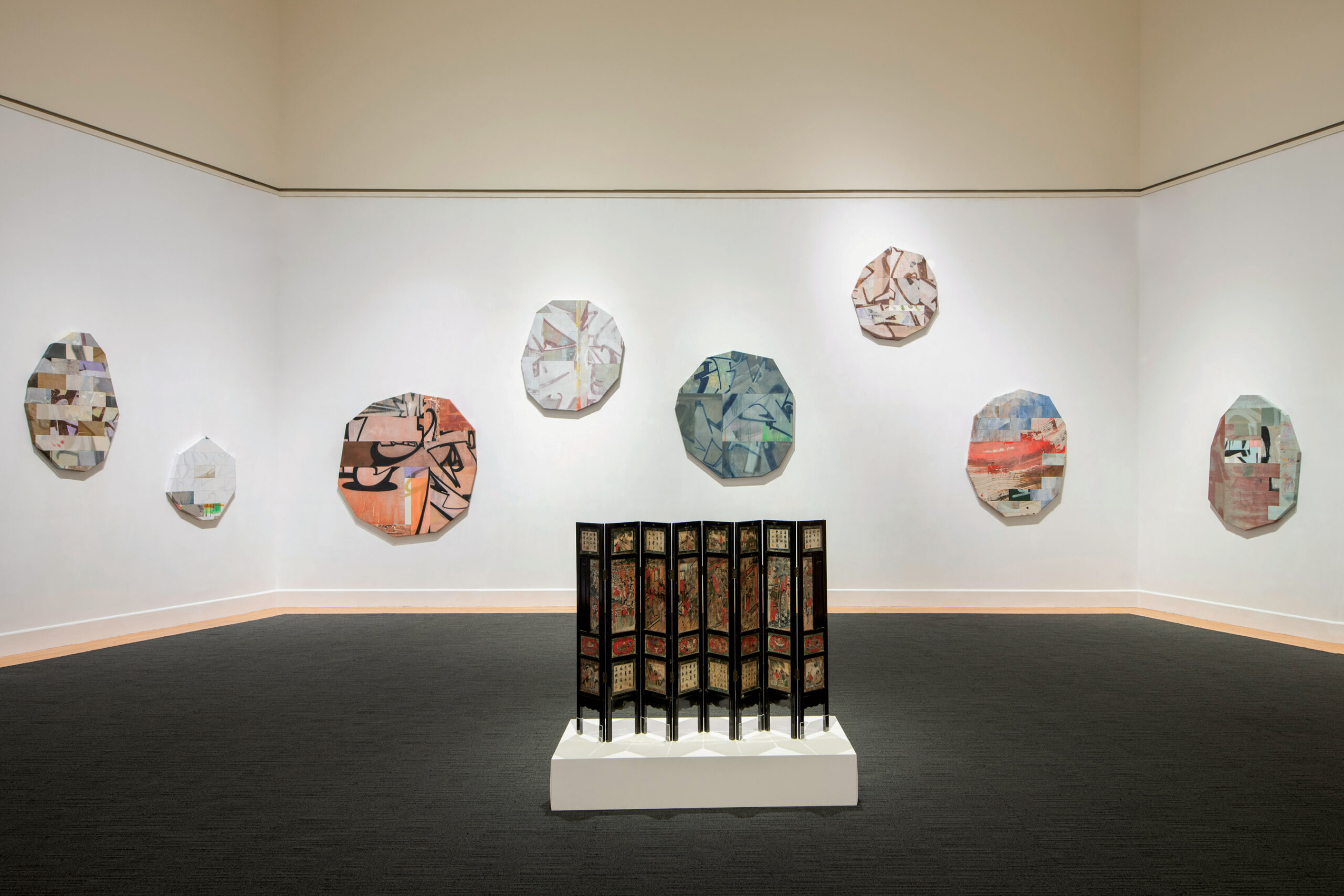
The paintings of Adrian FALKNER possess an unusual pictorial form. Some are reminiscent of boulders, while others resemble hand axes. Their fractured lines, colors and forms are striking, revealing a fascinating creative process. There is something about these works that subtly echoes the aesthetic of graffiti. What we see here are not fully composed wall pieces, but fragments. These seemingly incidental moments within a working process are the result of the destruction of the artist’s earlier paintings, which have been cut apart, partially reworked, recomposed and sewn back together. Former primary motifs or striking symbols lose their prominence, as previously secondary elements come into focus. Even the distinction between the worked front and the unworked back becomes fluid, as both are integrated into an ongoing process of revaluation.
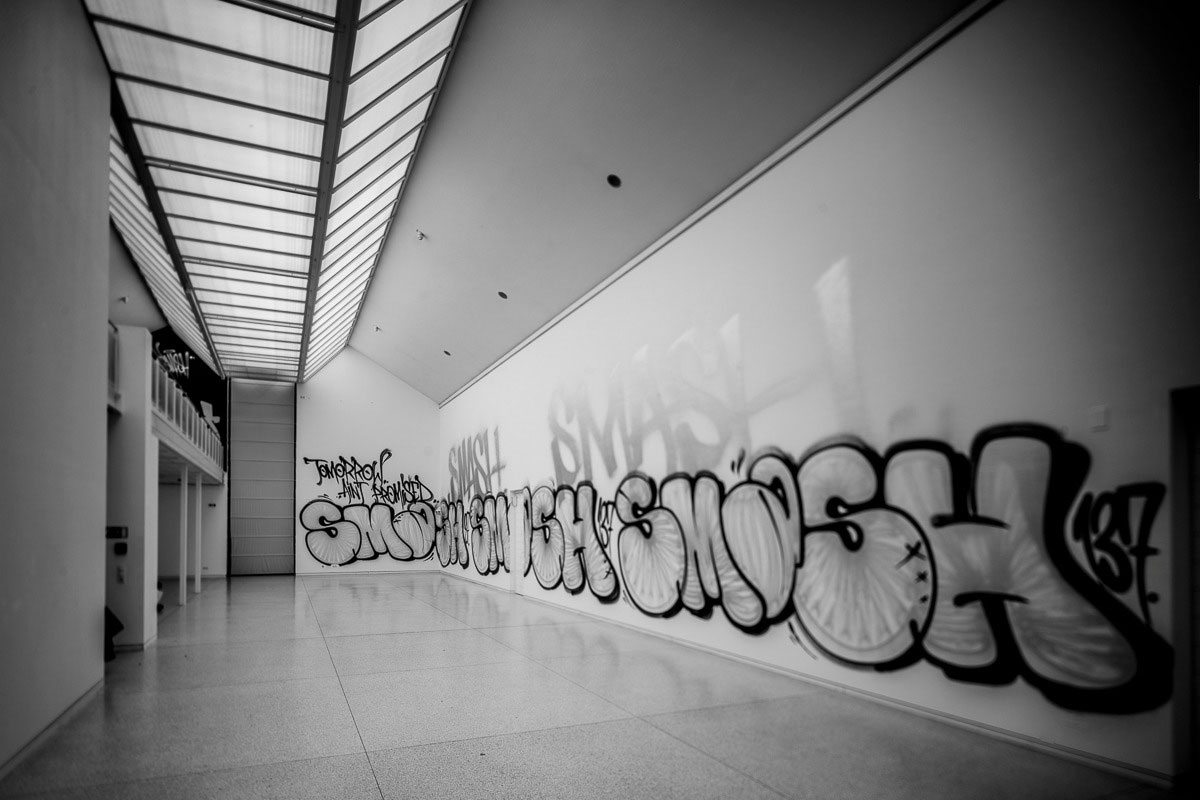
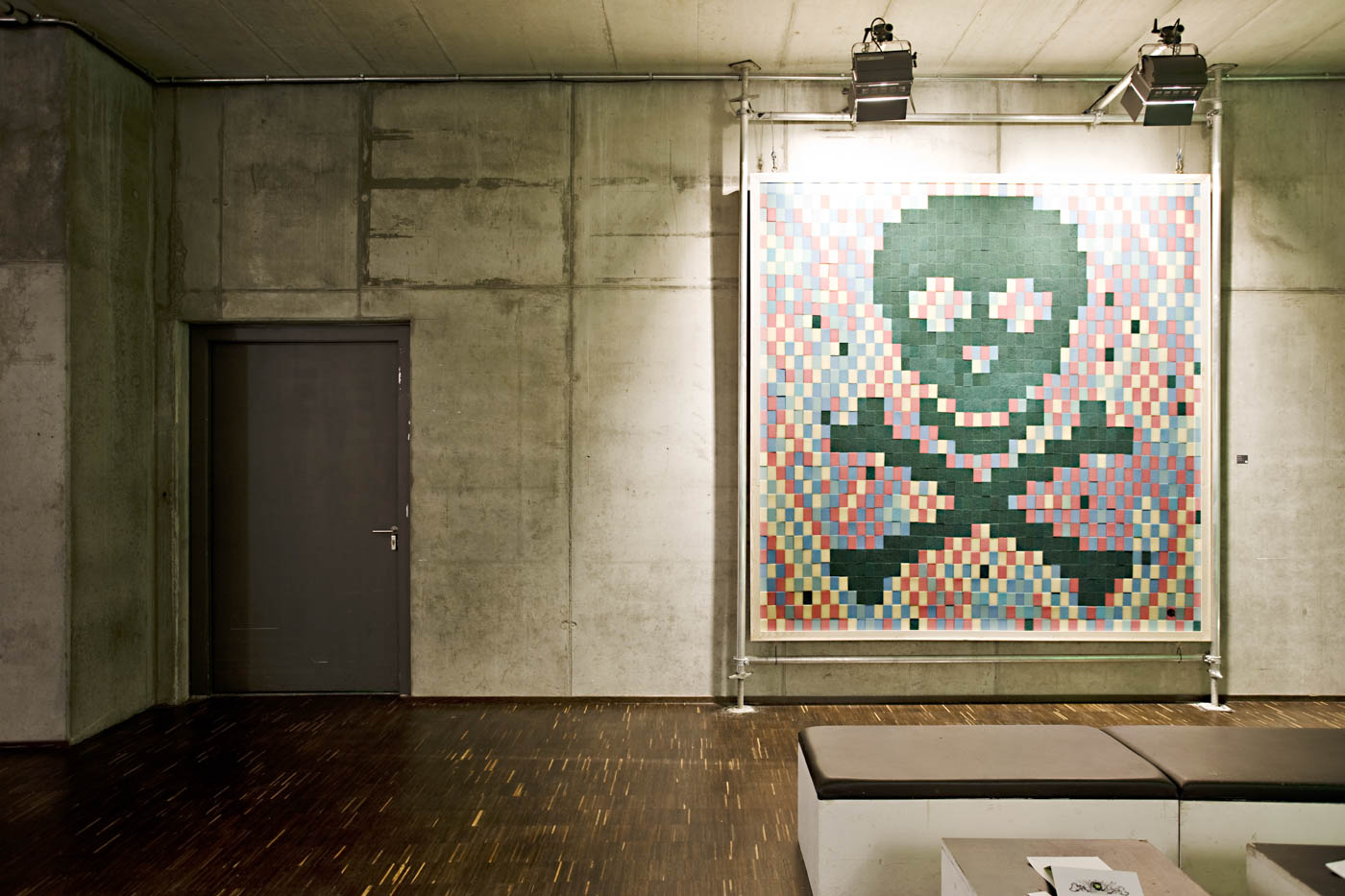
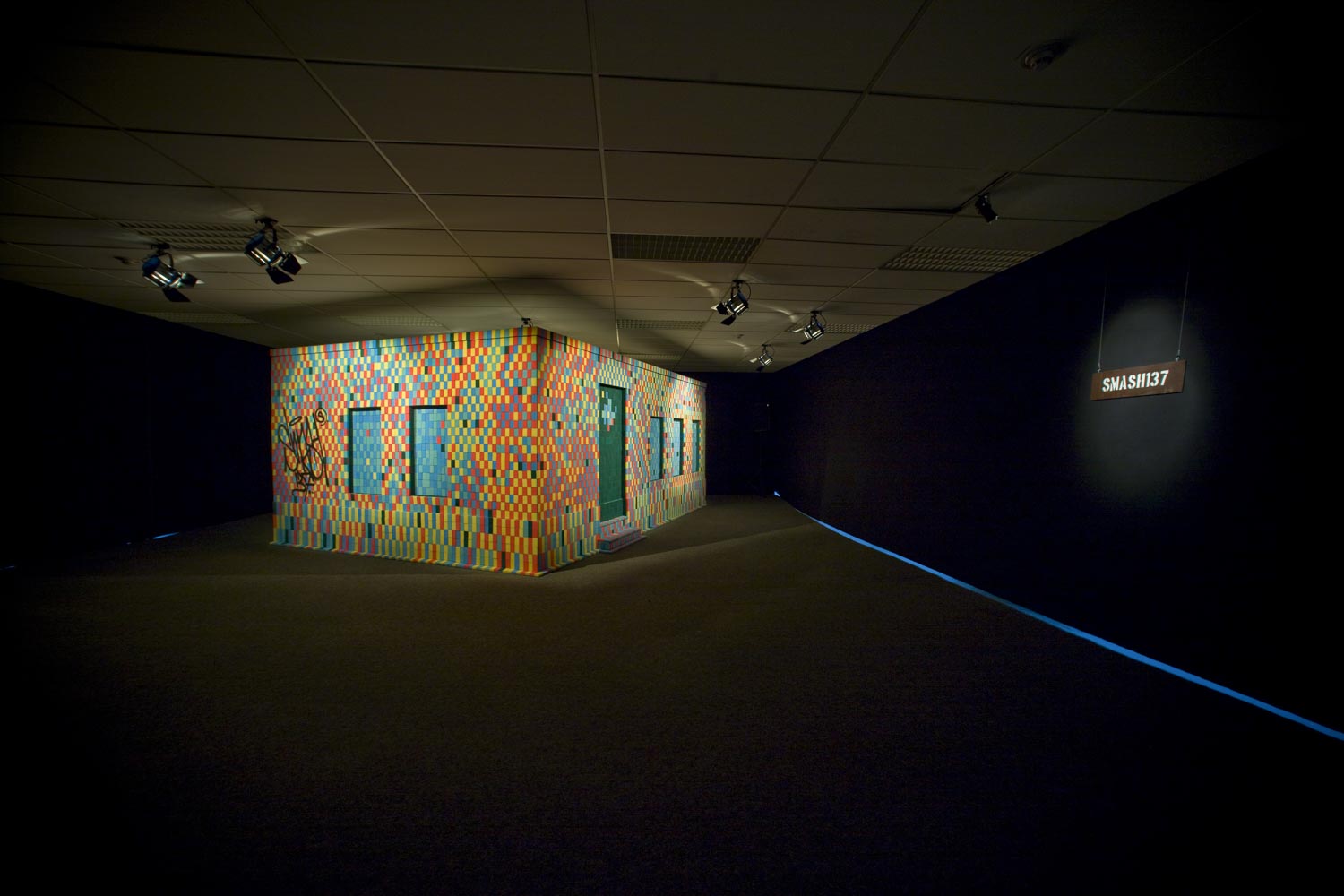
Adrian FALKNER, whose writing style as Smash137 is regarded as pioneering and iconic in the graffiti world, continually explores the interplay of symbols, forms, materials and techniques across his various bodies of work. His extensive experience in outdoor spaces has greatly informed this exploration.
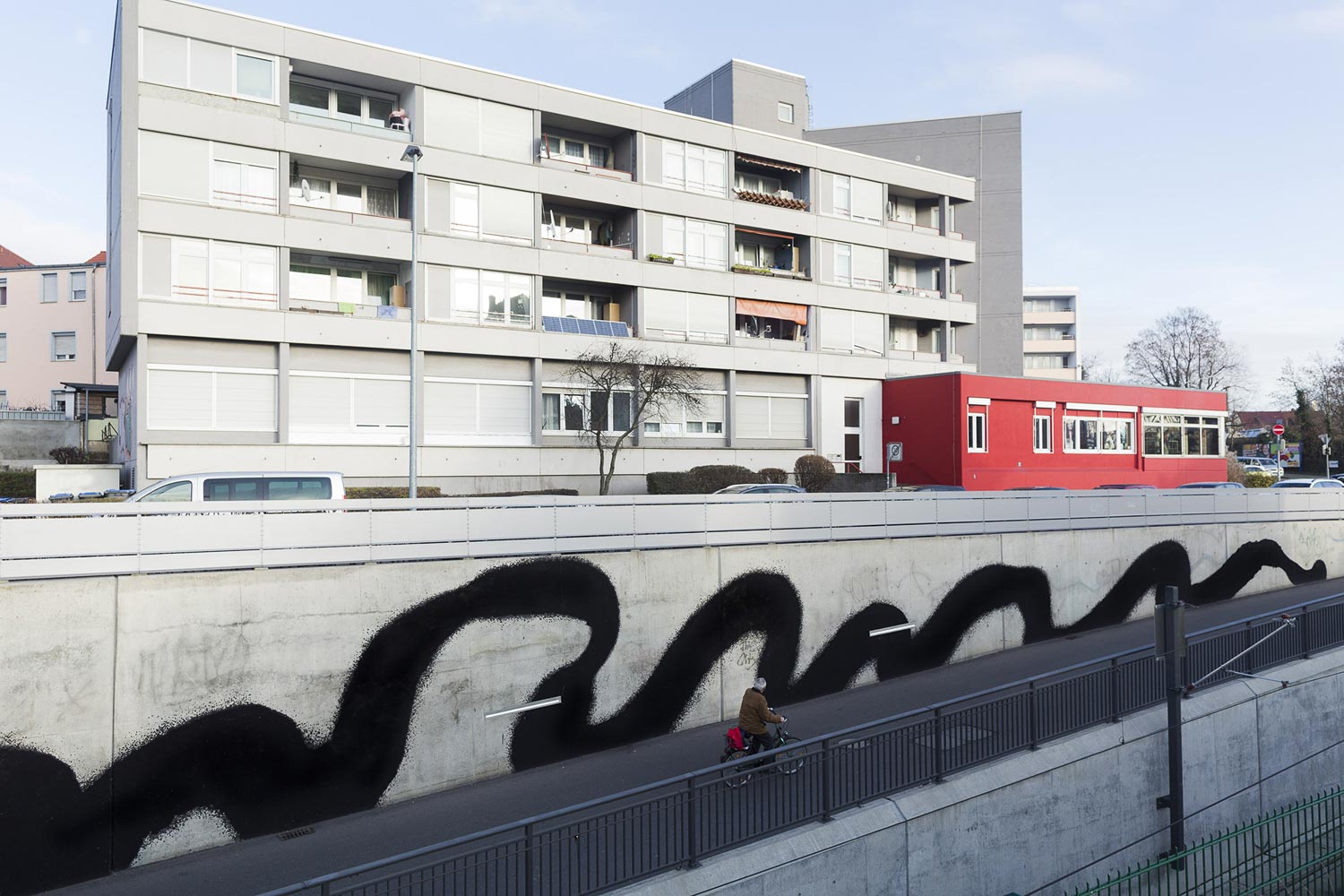
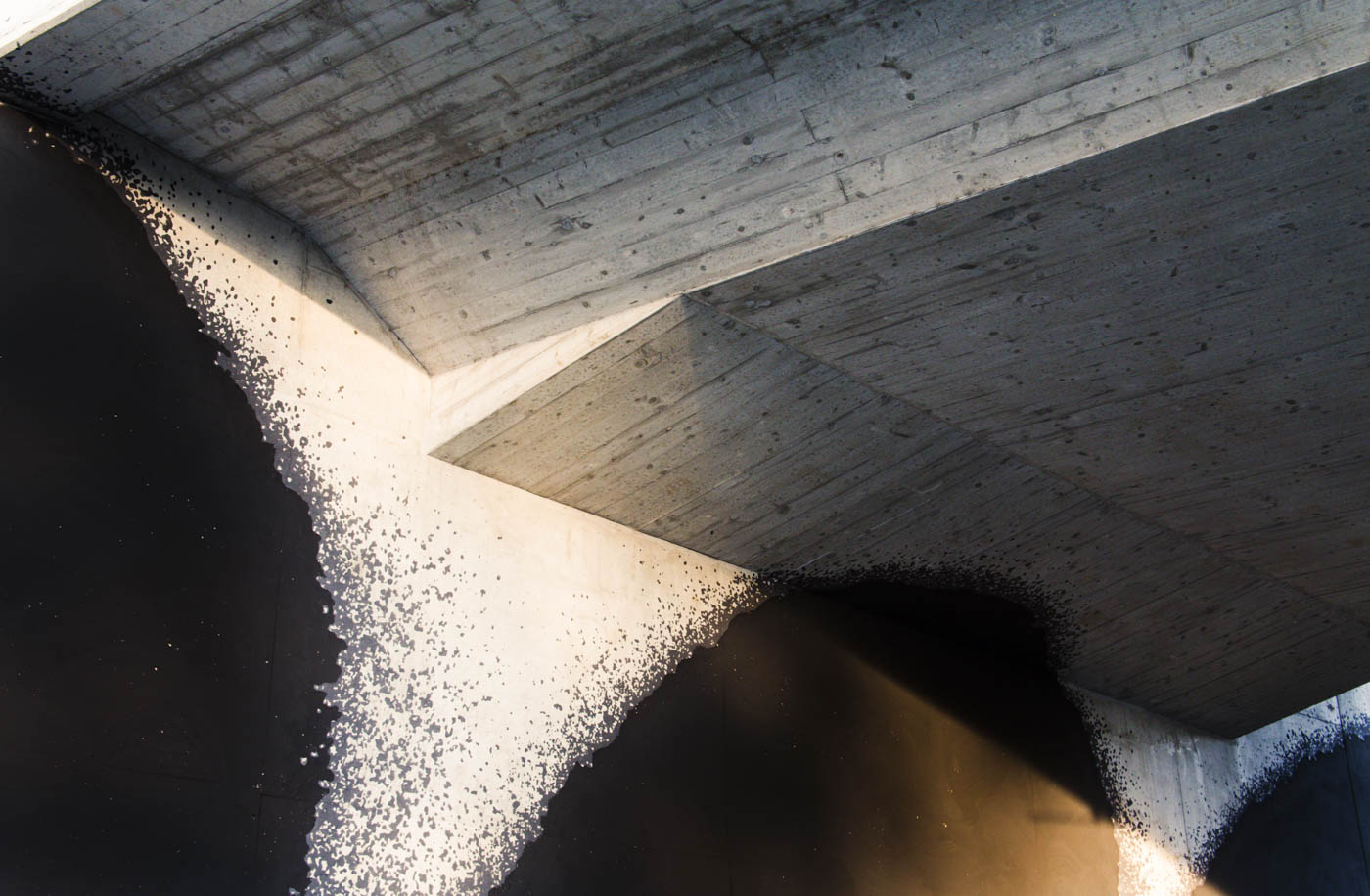
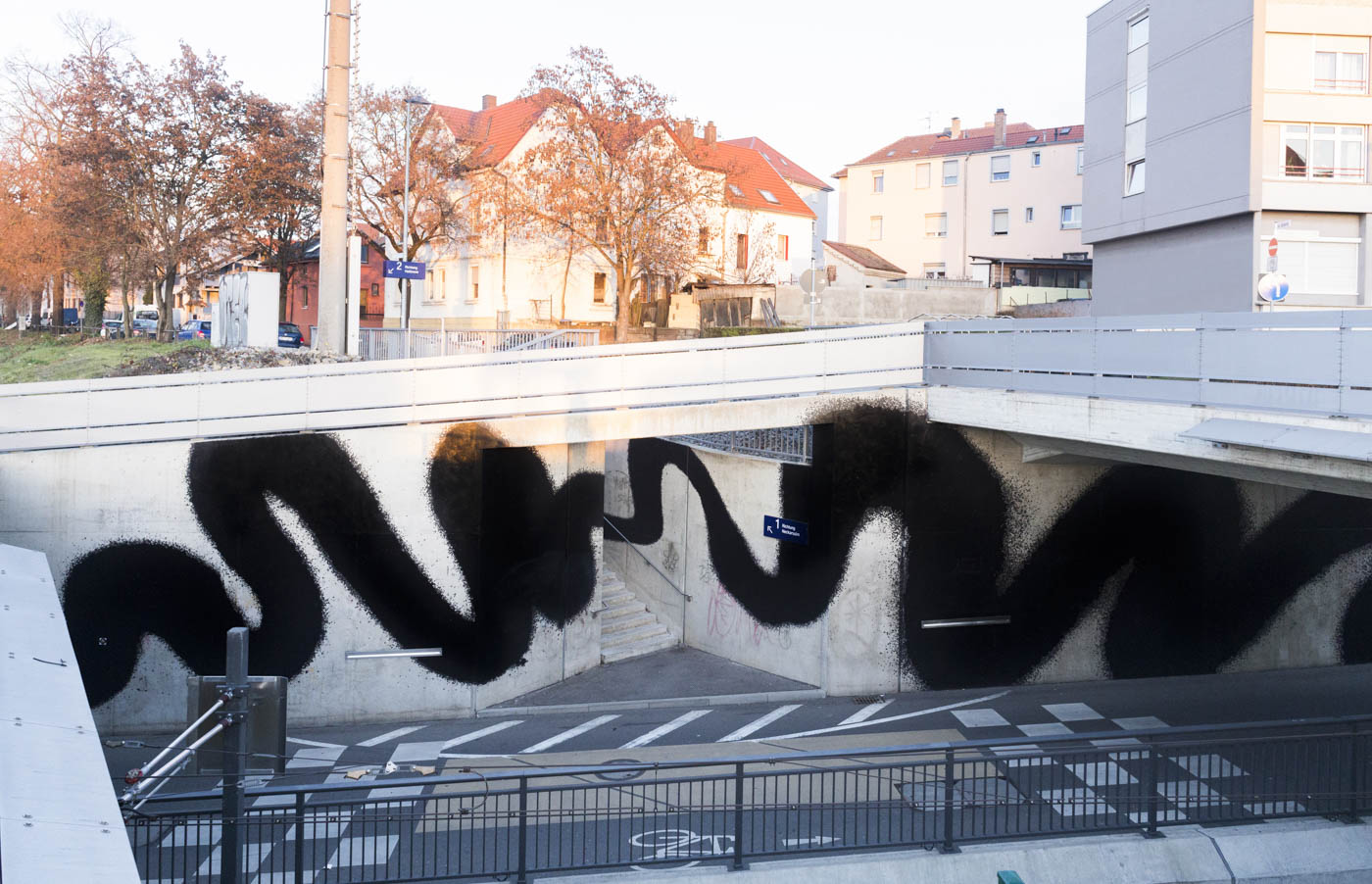
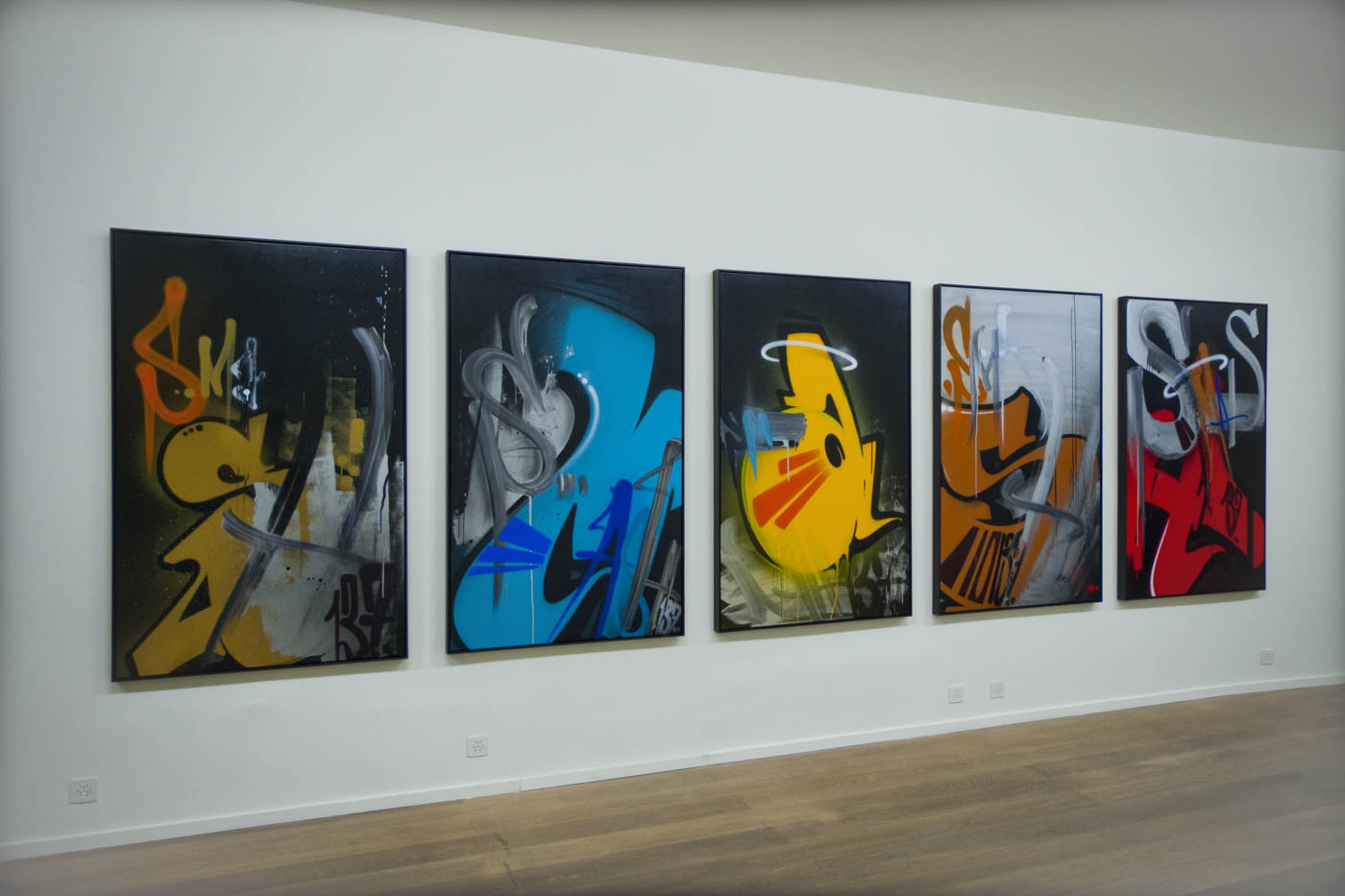
Beginning in 2005, he started transferring his writings and wall pieces-originally created for outdoor sites-onto the canvas, thereby adapting them for indoor venues. However, he soon realized that the visual language of outdoor art could not be directly translated to the canvas. Outdoor works are inherently tied to their surroundings and characterized by their rapid, sometimes illegal production. Transported indoors these signs lose the broader context that originally gave them meaning. In outdoor settings, this context is shaped by the surrounding architecture (such as the walls of public buildings or tunnels), the material nature of the image’s support (like plastered exterior walls, wooden fences or the metal of a railway carriage), their proximity to works by other artists and the visual language of the public space. In the neutral interior of a white cube gallery, all these references are missing, and the signs frozen on canvas often appear misplaced. The aim is to establish a foundation for the creation of works in interior spaces that retain the spirit of the outdoor environment, while introducing new impulses to contemporary painting.
FALKNER has always been aware of this discrepancy. For several years, his style was anchored in the visual language of graffiti and the gestural abstraction of artists like Franz Kline, Ernst Wilhelm Nay, Willem de Kooning, and Arshile Gorky. The shift in his approach occurred gradually.
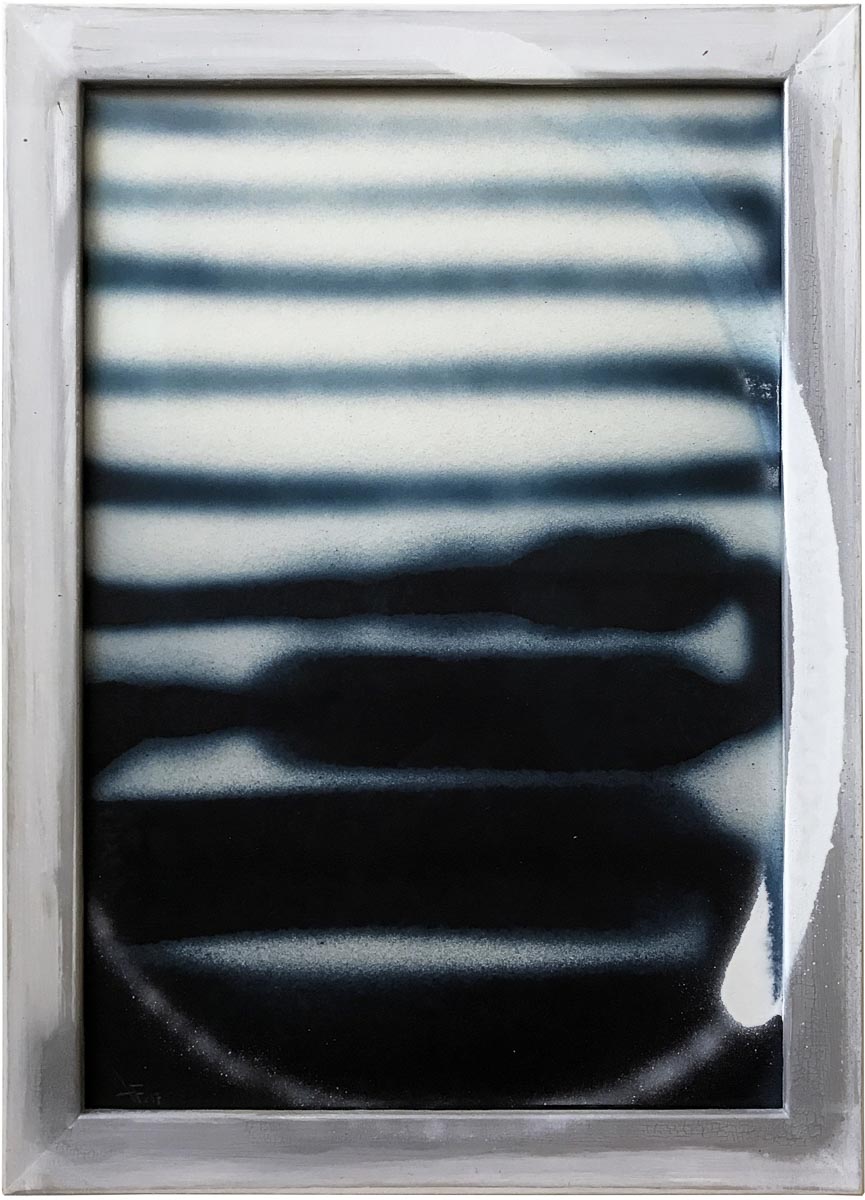
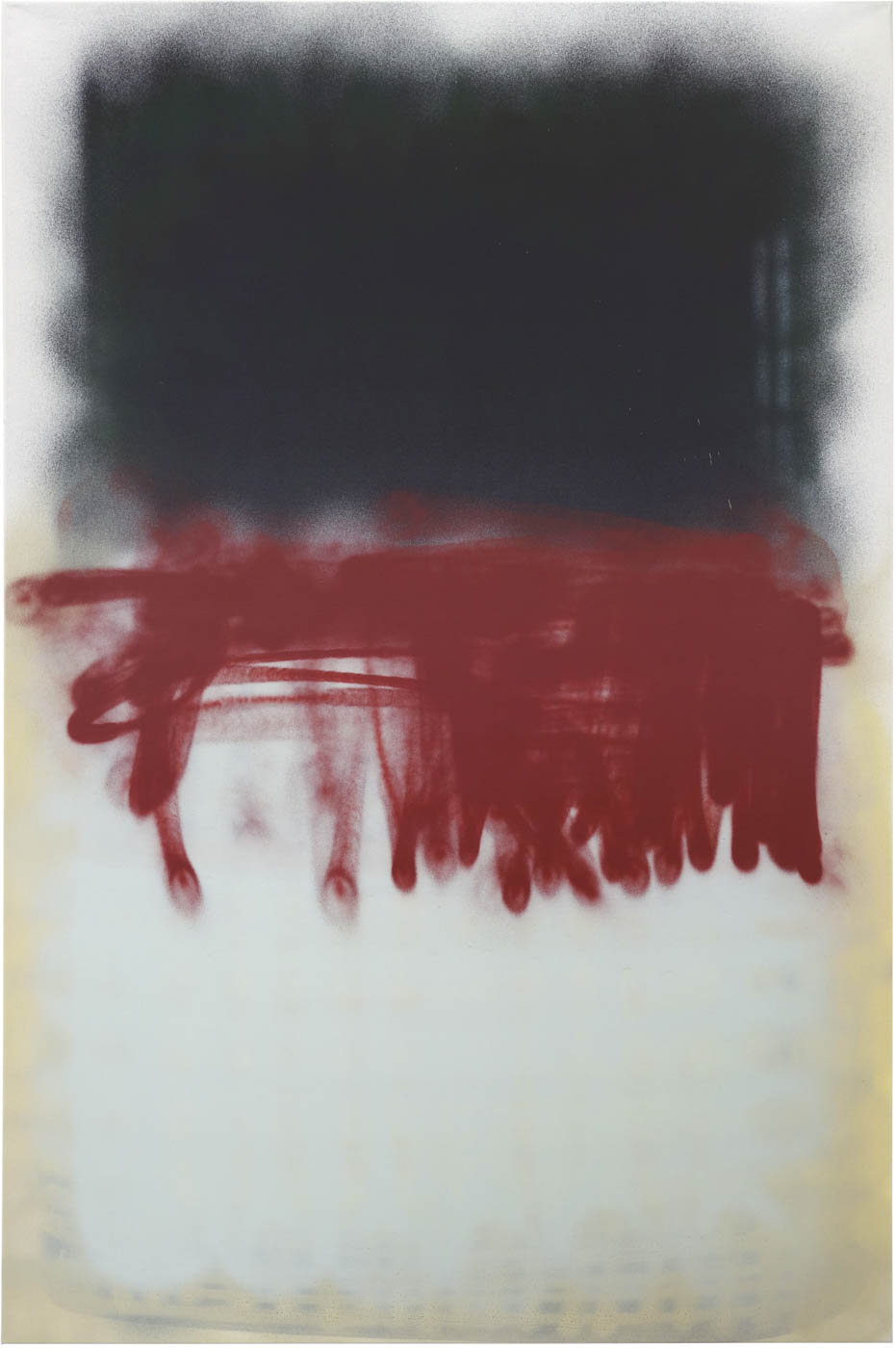
However, unlike the oil and acrylic paintings of the old masters of abstraction, FALKNER’s use of the airbrush introduces a swift, dynamic medium that conveys a raw sense of immediacy and authenticity. (Kraemer, 2013). In 2013/2014, he definitively stepped out of the shadow of his graffiti persona, Smash 137. The catalogs Public Enemy and Graffiti Painter are representative of the depth of his painting practice. (Smash137, 2013; Falkner, 2014).